

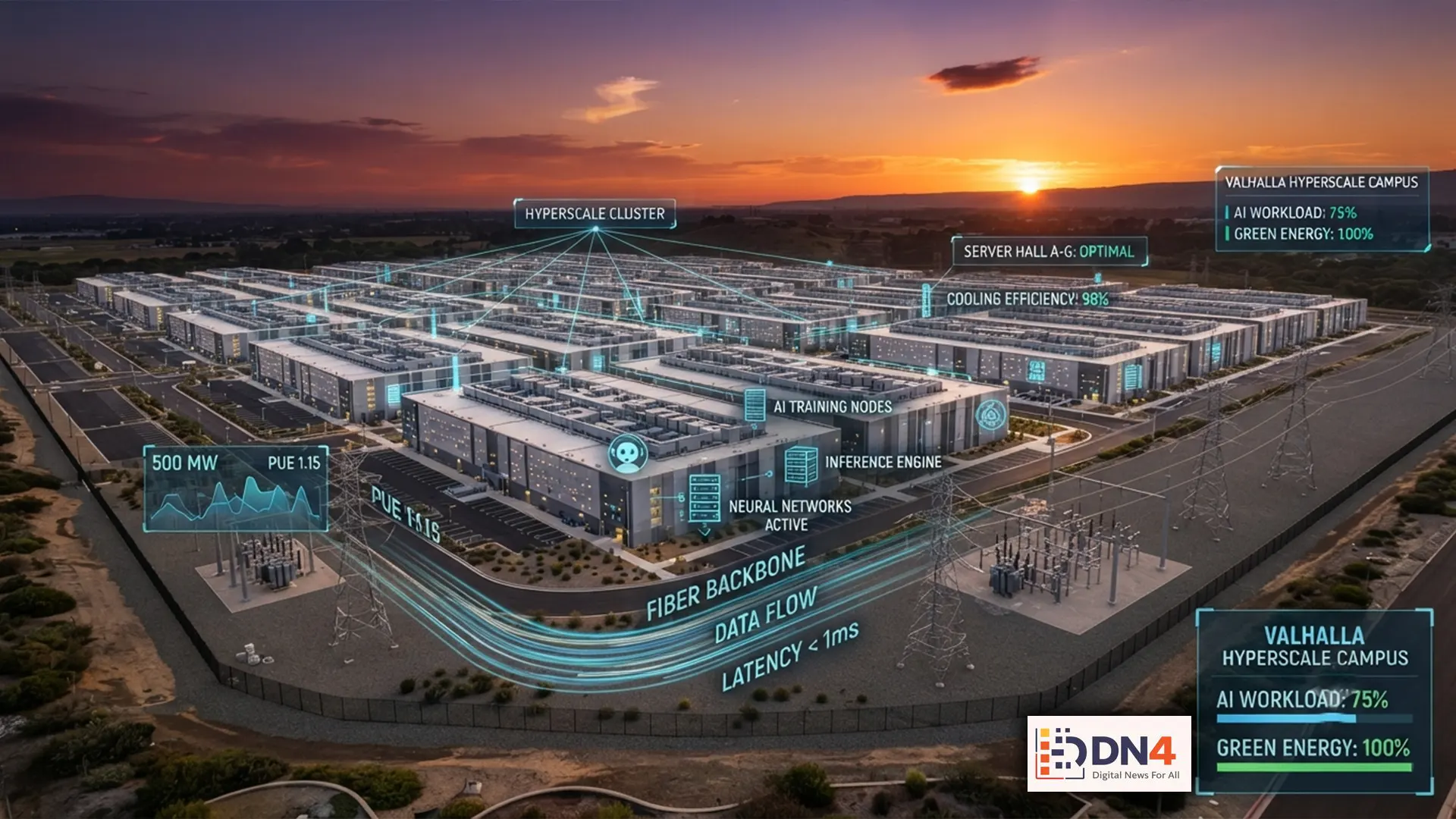
Artificial intelligence is transforming the technology industry, and companies are racing to expand the infrastructure behind it. Leading technology firms are expected to invest an estimated $364 billion in U.S. data centers over the coming years. These facilities will power AI models, cloud computing, digital services, and advanced research while supporting growing demand for high-performance computing.
The investment wave reaches far beyond server buildings. Companies are also upgrading power systems, networking infrastructure, and cooling technologies to support the next generation of artificial intelligence. The U.S. Department of Energy continues to promote research into reliable and efficient energy systems that can support expanding digital infrastructure.
Why Companies Are Investing So Much
Generative AI requires enormous computing power. Developers need advanced graphics processors, faster storage, and high-speed networking to train and operate increasingly complex AI models. As AI adoption grows, technology companies must expand their computing capacity to meet customer demand.
Cloud computing also continues to drive investment. Businesses of every size rely on cloud platforms for applications, data storage, and cybersecurity. According to the National Institute of Standards and Technology (NIST), resilient digital infrastructure plays a vital role in supporting secure technology services.
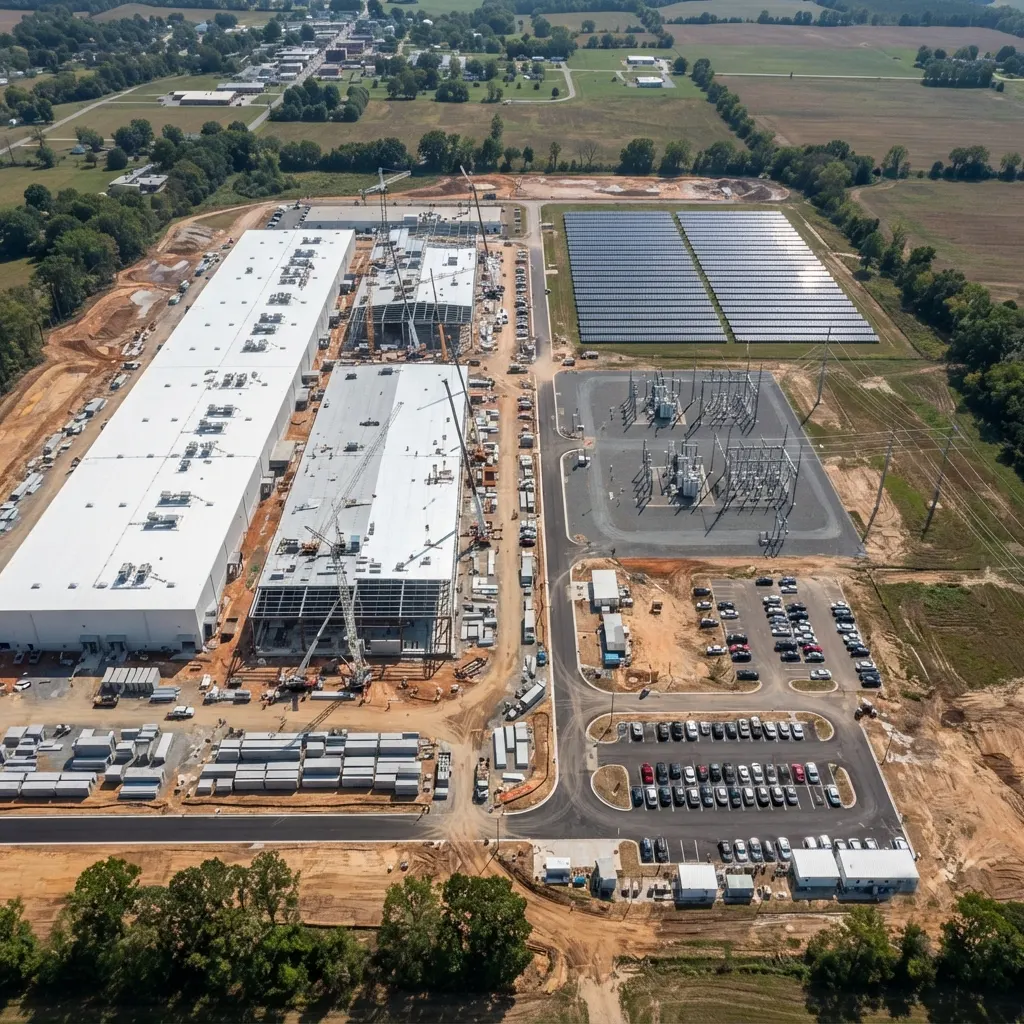
Where the Money Will Go
- Construction of hyperscale data center campuses.
- Deployment of advanced AI computing clusters.
- Expansion of fiber-optic and networking infrastructure.
- Modernization of electrical grids and power systems.
- Development of energy-efficient cooling technologies.
- Strengthening cybersecurity and operational resilience.
Many new facilities are being built near dependable energy sources and major fiber networks. These locations help companies deliver reliable performance while supporting future expansion.
Economic Benefits and New Jobs
Large-scale infrastructure projects create opportunities across multiple industries. Construction workers, engineers, electricians, IT professionals, and data center operators all benefit from continued investment. Local communities also receive long-term economic support through new business activity and infrastructure improvements.
The U.S. Bureau of Labor Statistics tracks employment trends in technology-related industries, while the Bureau of Economic Analysis measures the broader economic impact of digital infrastructure.
Challenges for the Industry
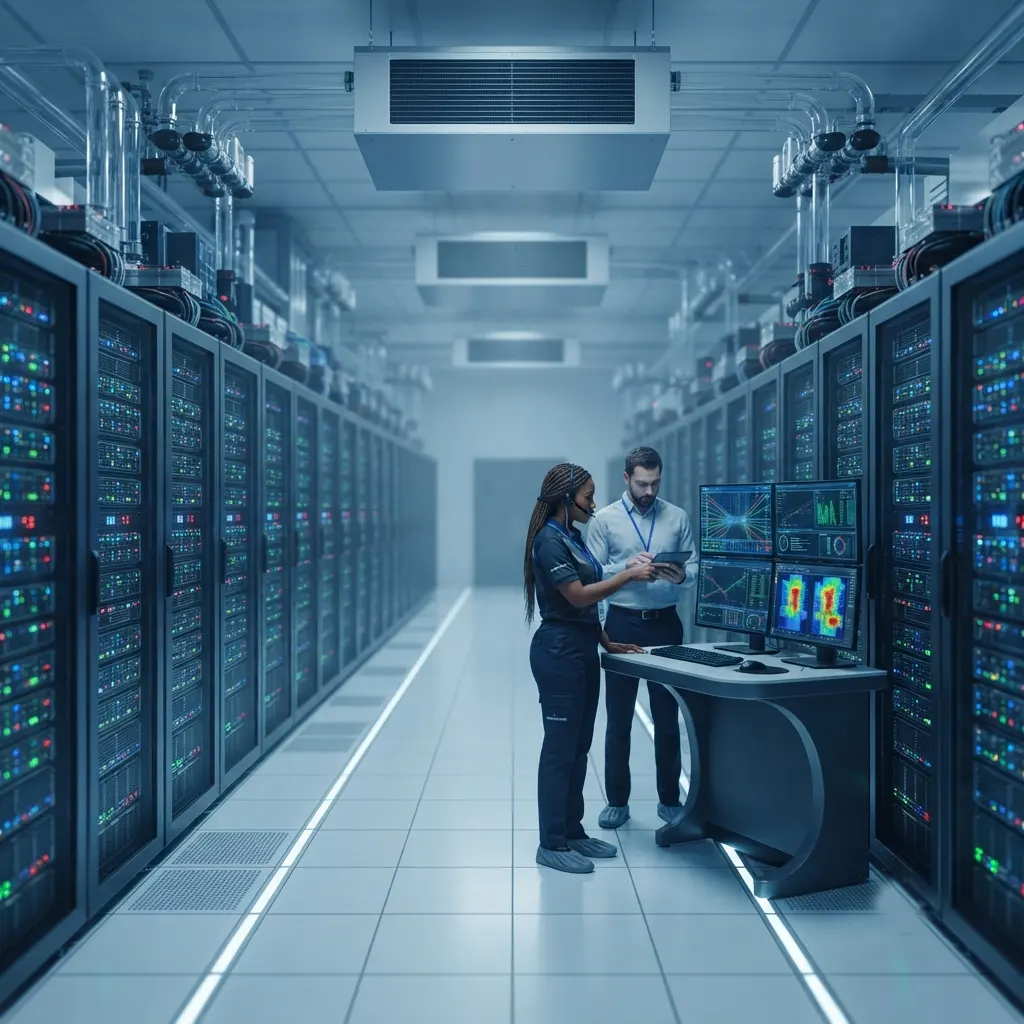
Rapid expansion also creates new challenges. Data centers require significant amounts of electricity and water, prompting companies to invest in sustainable solutions. Many operators now use renewable energy, advanced cooling systems, and energy-efficient designs to reduce environmental impacts.
The U.S. Environmental Protection Agency and the Office of Energy Efficiency & Renewable Energy provide guidance on energy efficiency and sustainable technology practices.
The Future of AI Infrastructure
Demand for computing power will likely continue to rise as artificial intelligence expands across healthcare, education, manufacturing, finance, and scientific research. Companies that invest today are preparing for years of future growth. Although investment levels may change over time, advanced data centers will remain essential to the digital economy. The current boom reflects a long-term commitment to innovation, cloud computing, and the future of AI.
#ArtificialIntelligence #DataCenters #CloudComputing #Technology #AI #DigitalInfrastructure #BigTech #Innovation #TechNews