

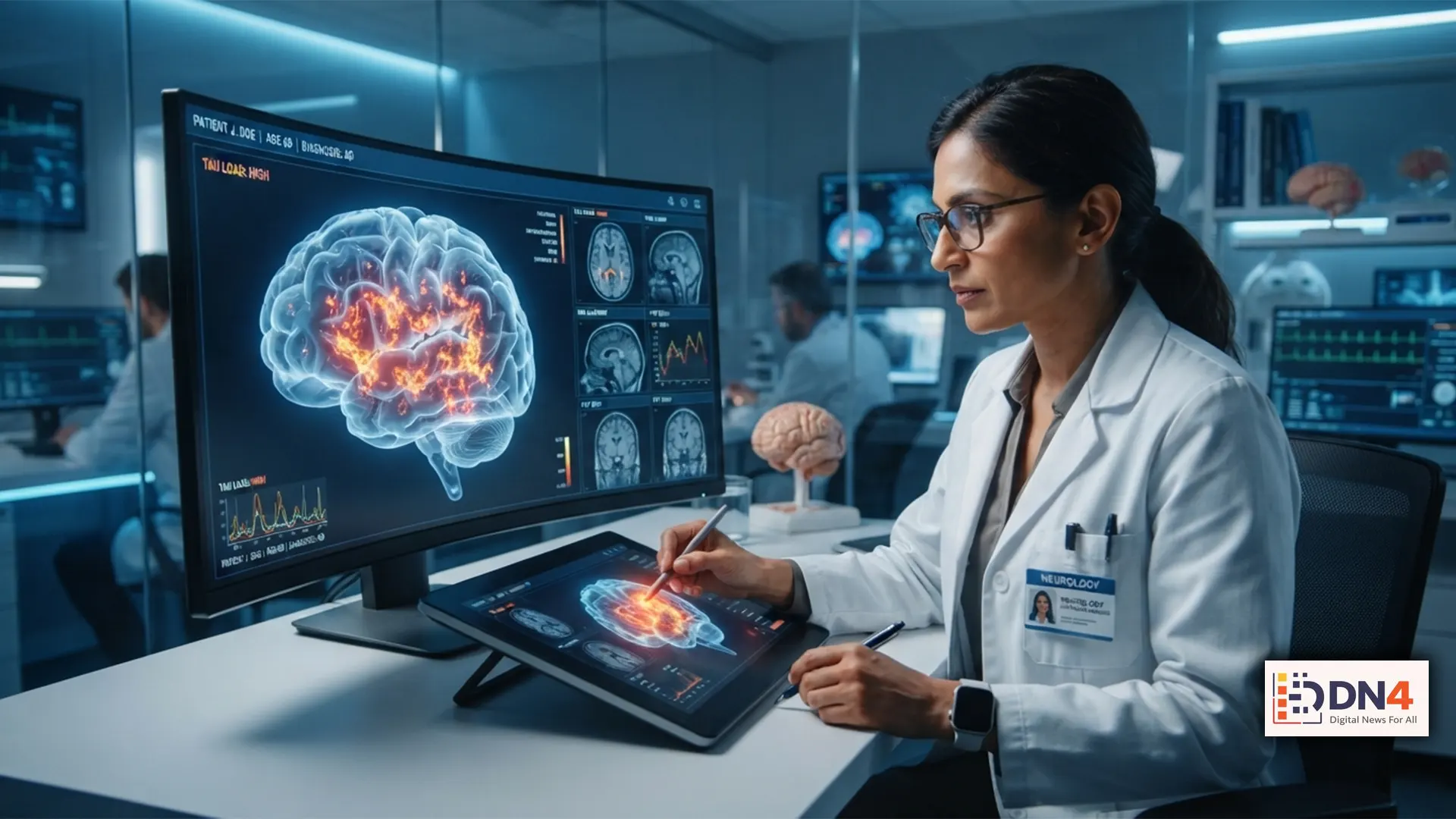
For decades, Chronic Traumatic Encephalopathy (CTE) could only be confirmed after death, leaving athletes, military veterans, and individuals with repeated head injuries without a definitive diagnosis during life. In 2026, however, researchers are making significant progress toward identifying reliable diagnostic tools that could transform early detection and treatment.
Why Diagnosing CTE Has Been So Difficult
CTE develops after repeated traumatic brain injuries, causing abnormal accumulations of tau proteins that gradually damage brain tissue. While symptoms such as memory loss, mood disorders, and cognitive decline may suggest CTE, these signs overlap with Alzheimer’s disease, Parkinson’s disease, and other neurological disorders.
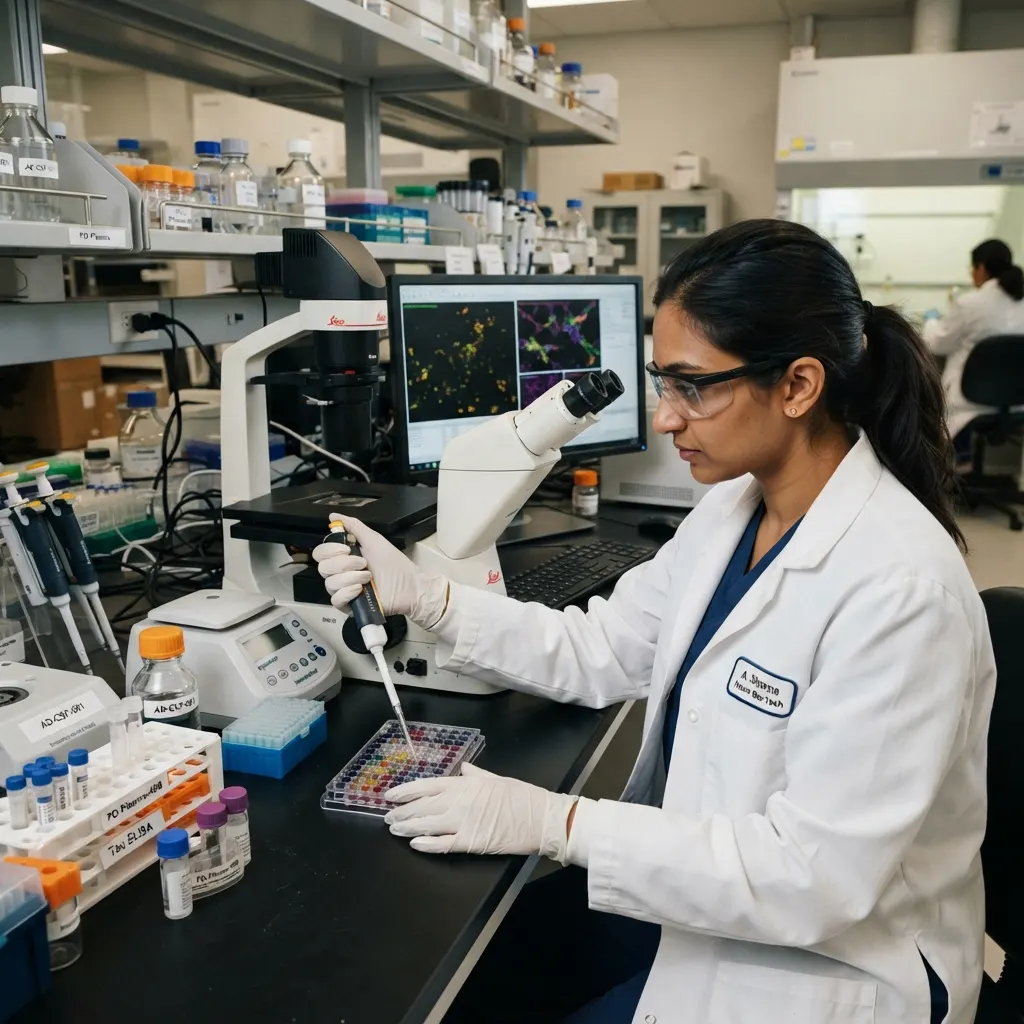
New Diagnostic Technologies Showing Promise
Several breakthrough technologies are helping researchers identify CTE in living patients with increasing accuracy.
- Tau PET Imaging: Advanced PET scans can now detect abnormal tau protein deposits associated with CTE.
- High-Resolution MRI: Diffusion MRI and advanced structural imaging reveal subtle brain changes linked to repeated trauma.
- Blood Biomarkers: Researchers are studying proteins such as phosphorylated tau, neurofilament light chain (NfL), and GFAP as potential indicators of ongoing brain injury.
- Artificial Intelligence: Machine learning algorithms are combining imaging, cognitive testing, and biomarker data to improve diagnostic accuracy.
Clinical Trials Continue Worldwide
Major research centers across the United States are conducting clinical trials to validate these diagnostic tools. Although no single test can yet confirm CTE in living patients, combining multiple biomarkers appears increasingly promising. Experts believe multi-modal diagnostic approaches may become the future clinical standard.
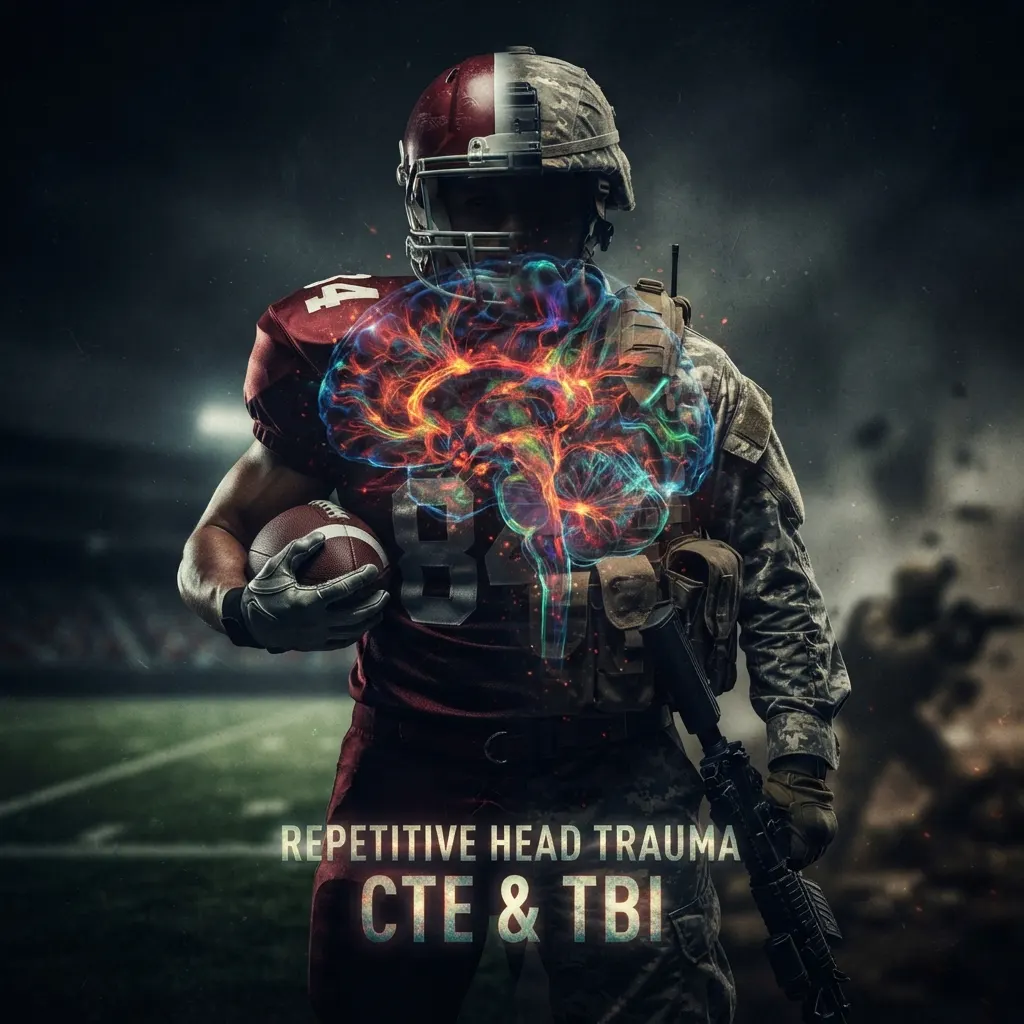
What This Means for Patients
Earlier diagnosis could allow physicians to better manage symptoms, monitor disease progression, enroll patients in clinical trials, and potentially introduce future disease-modifying therapies before irreversible brain damage occurs.
The Road Ahead
While researchers caution that definitive diagnosis still requires post-mortem examination, 2026 represents one of the most encouraging years in CTE research. Continued advances in imaging, blood testing, and artificial intelligence are bringing medicine closer than ever to detecting this devastating condition during life.
- National Institute of Neurological Disorders and Stroke
- National Institute on Aging
- CDC Traumatic Brain Injury Resources
- Mayo Clinic
- Cleveland Clinic
- Concussion Legacy Foundation
#CTE #BrainHealth #Neurology #MedicalResearch #Healthcare #SportsMedicine #Neuroscience #AIHealthcare #HealthNews