

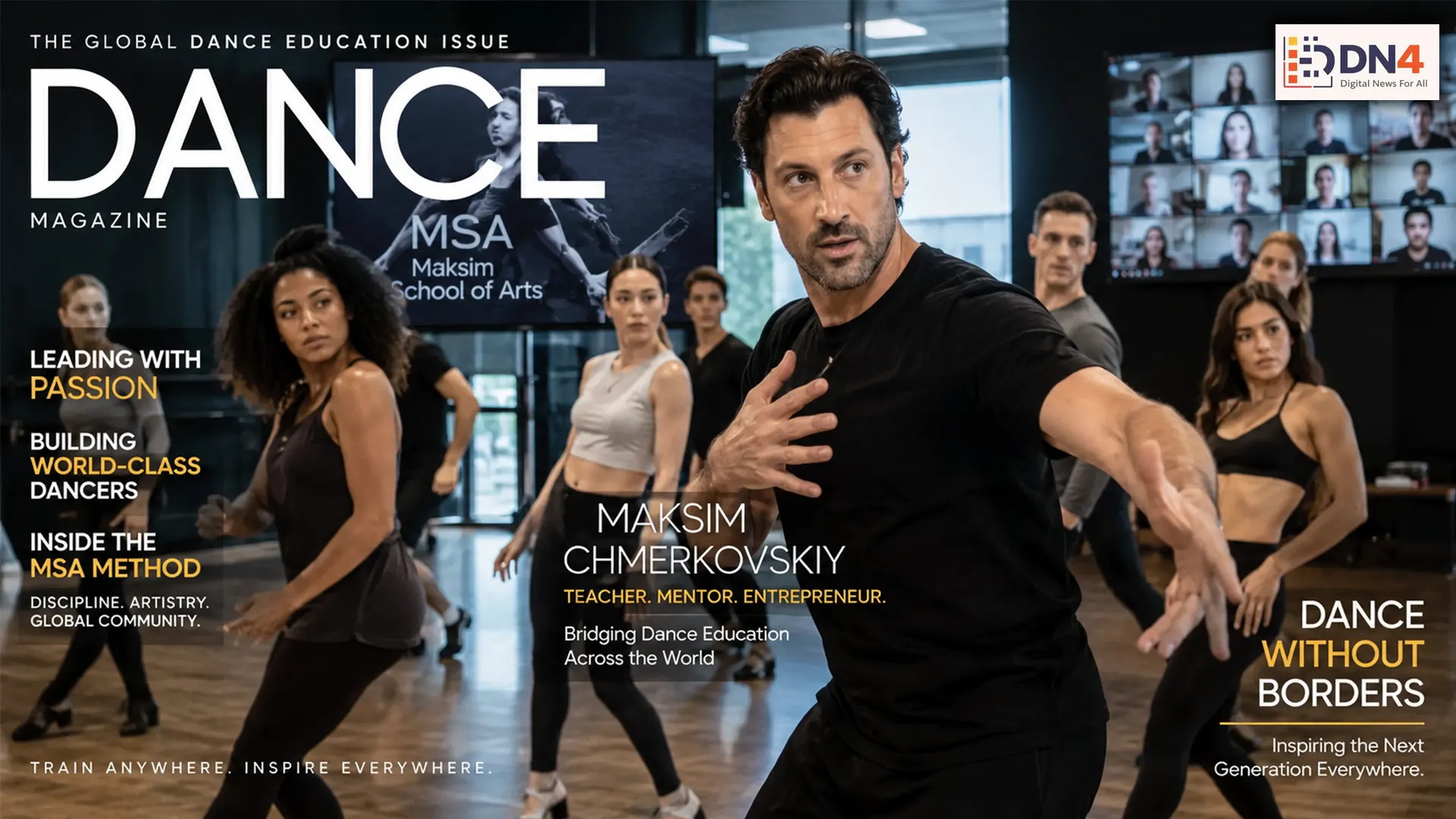
Dance education is experiencing a major transformation in 2026, and Maksim Chmerkovskiy is emerging as one of the influential figures helping redefine how people learn movement, performance, and creativity. Known for his achievements in ballroom dance and television, Chmerkovskiy is now part of a larger shift toward accessible, technology-supported creative education.
For decades, professional dance training depended on physical studios, local instructors, and traditional classroom models. Today, digital platforms, online communities, and interactive learning tools are changing how students develop skills. This evolution mirrors broader education trends where technology enables personalized and flexible learning experiences.
From Performer to Dance Education Leader
Maksim Chmerkovskiy has built a global reputation through competitive ballroom achievements and appearances on ABC dance programming. His journey demonstrates how professional experience can evolve into educational leadership, inspiring new generations of dancers.
Modern dance education is increasingly focused on more than technical ability. Students want confidence, creativity, fitness, and performance skills that can support personal growth or professional ambitions.
Technology Is Changing How Dancers Learn
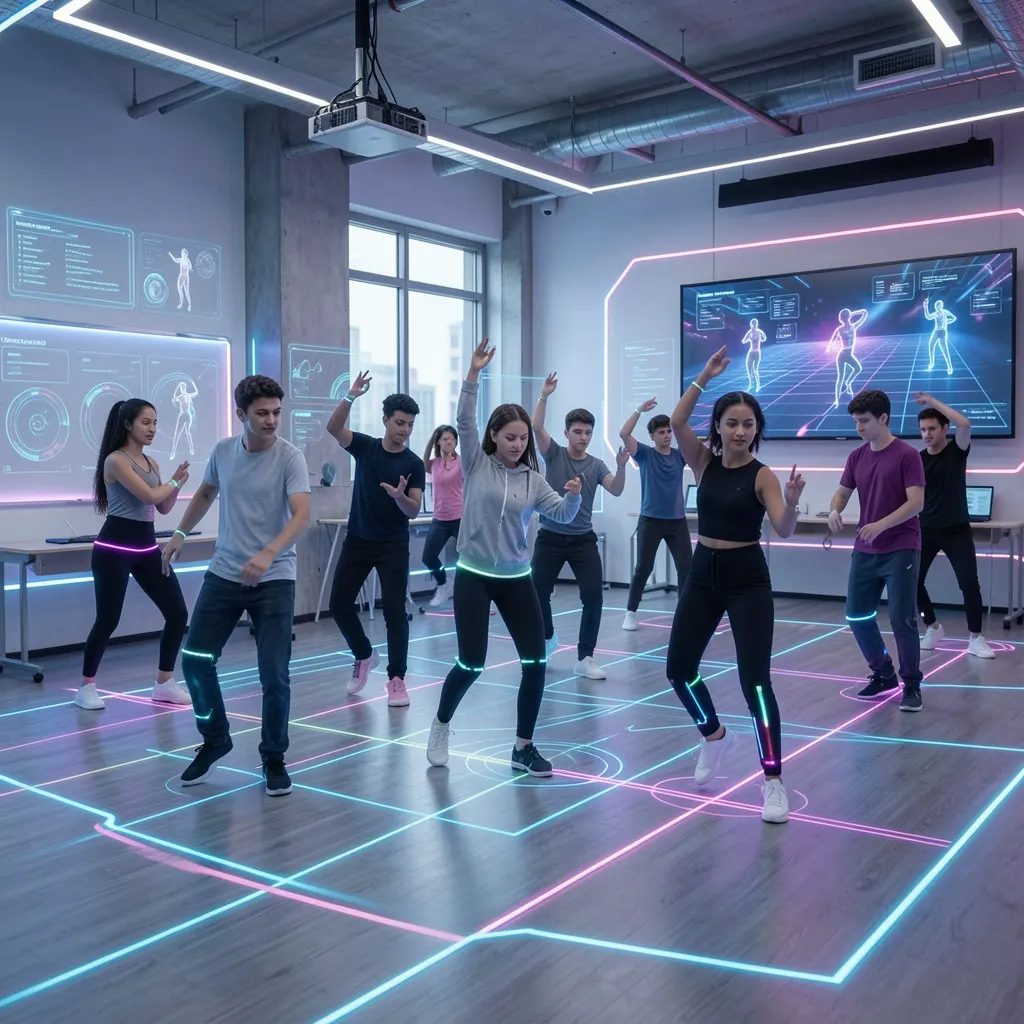
The future of dance education combines expert instruction with digital innovation. Online classes, video feedback, motion analysis, and virtual communities allow students to practice beyond traditional studio environments.
Platforms such as YouTube have already introduced millions of people to dance tutorials and performances. Meanwhile, organizations like the U.S. Department of Education continue exploring how technology can expand educational opportunities.
Creative fields are increasingly adopting digital tools to improve accessibility. The United Nations Educational, Scientific and Cultural Organization (UNESCO) has highlighted the importance of digital learning access worldwide.
Making Dance More Inclusive and Global
One of the biggest changes in modern dance education is accessibility. Students no longer need to live near major dance centers to learn from experienced professionals.
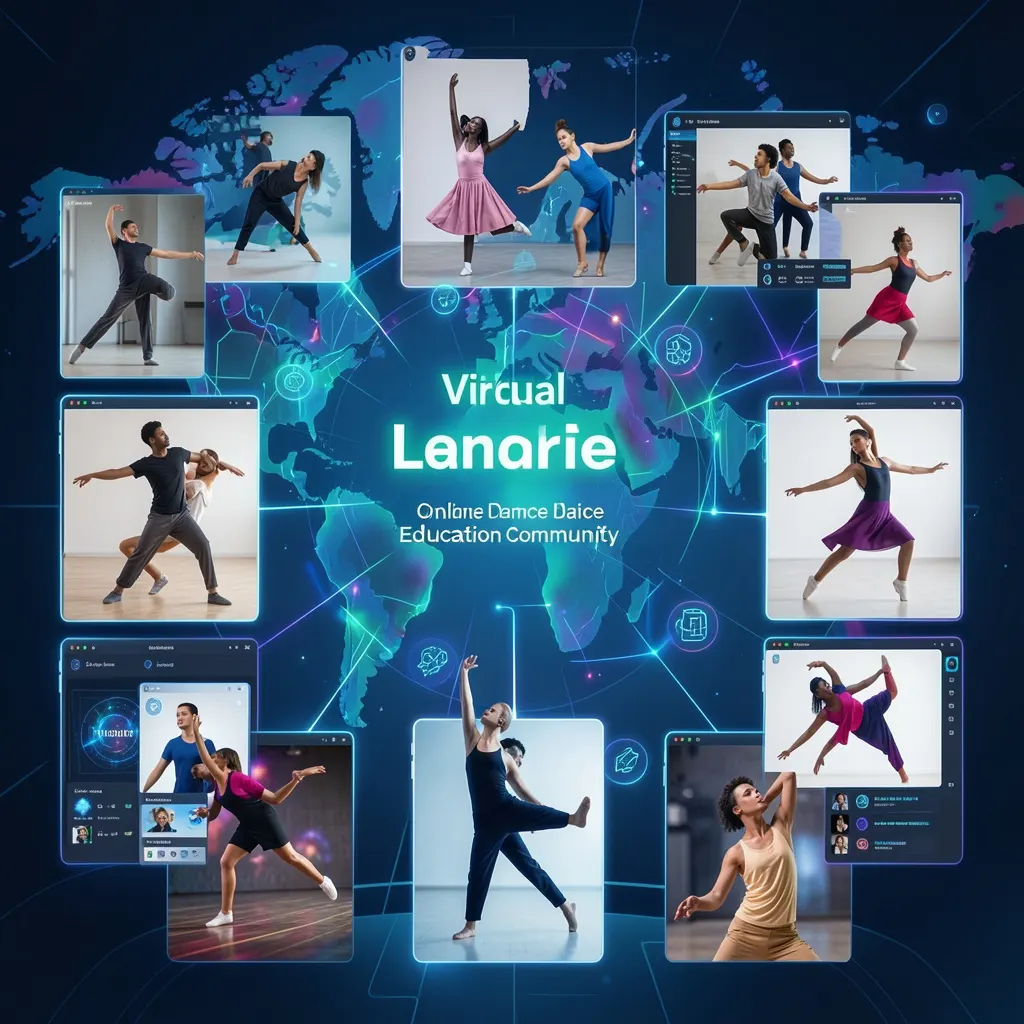
Through digital resources, aspiring performers from different countries can connect with instructors, participate in online communities, and discover new opportunities. This global approach supports broader participation in the arts, a goal also recognized by organizations such as the National Endowment for the Arts.
The Future of Dance Training
As artificial intelligence, virtual learning, and interactive technology continue developing, dance education may become increasingly personalized. Future students could receive customized training plans, performance analysis, and remote coaching experiences.
Research from technology organizations such as the World Wide Web Consortium (W3C) shows the growing importance of accessibility standards in digital experiences, including education platforms.
Chmerkovskiy’s influence represents a broader movement where traditional expertise meets modern innovation. By combining professional knowledge with evolving educational methods, the next generation of dancers can gain access to opportunities that were previously unavailable.
Dance education in 2026 is becoming more connected, flexible, and inclusive. The future belongs to educators who can combine creativity, technology, and human connection. Maksim Chmerkovskiy’s evolving role reflects how dance can continue adapting while preserving the passion and discipline that define the art form.
#MaksimChmerkovskiy #DanceEducation #BallroomDance #DanceInnovation #FutureOfLearning #CreativeEducation #DigitalLearning #EntertainmentNews #DanceTechnology