

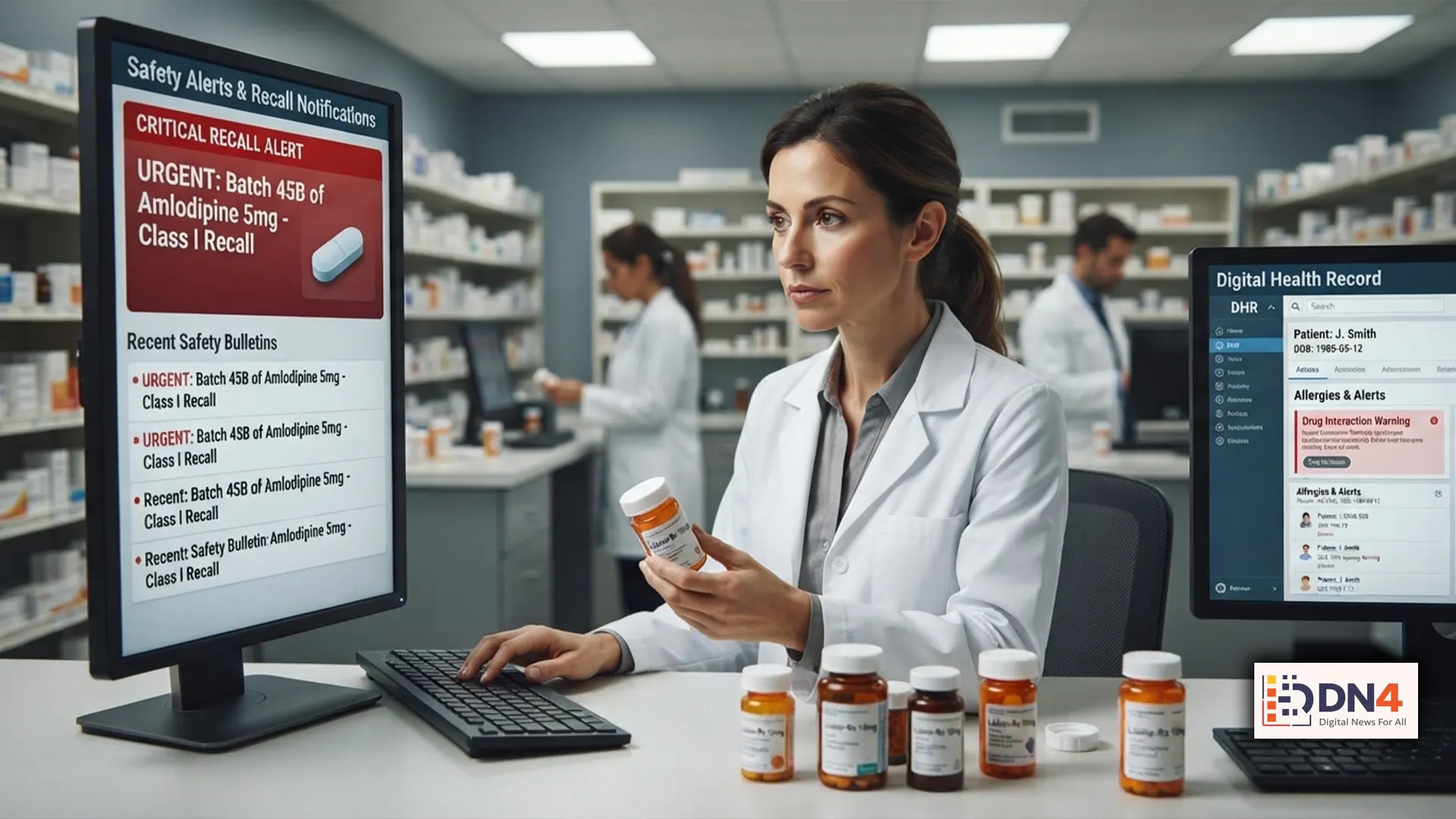
Medication safety is an important part of modern healthcare, and understanding how to respond to drug recalls can help patients make informed decisions. Every year, pharmaceutical companies and regulatory agencies monitor medications to identify potential quality, manufacturing, labeling, or safety concerns.
A medication recall does not always mean a product is dangerous for every person. However, it signals that patients, healthcare providers, and pharmacies should pay attention and follow official guidance. Knowing how to check recall information and what steps to take can provide greater confidence when managing medications.
What Is a Medication Recall?
A medication recall occurs when a pharmaceutical product is removed from the market because it may not meet required safety, quality, or effectiveness standards.
Recalls can happen for several reasons, including:
- Manufacturing problems
- Possible contamination
- Incorrect labeling information
- Quality control concerns
- Unexpected safety risks
The U.S. Food and Drug Administration (FDA) provides official information about drug recalls, safety alerts, and regulatory updates.
How to Check If Your Medication Has Been Recalled
Patients can take several practical steps to verify medication safety:
1. Check Official Government Sources
The safest way to confirm recall information is through trusted healthcare authorities. The FDA maintains databases that list recent medication recalls and safety announcements.
International patients can also check guidance from organizations such as the World Health Organization (WHO), which provides global health information and safety resources.
2. Review Your Medication Details
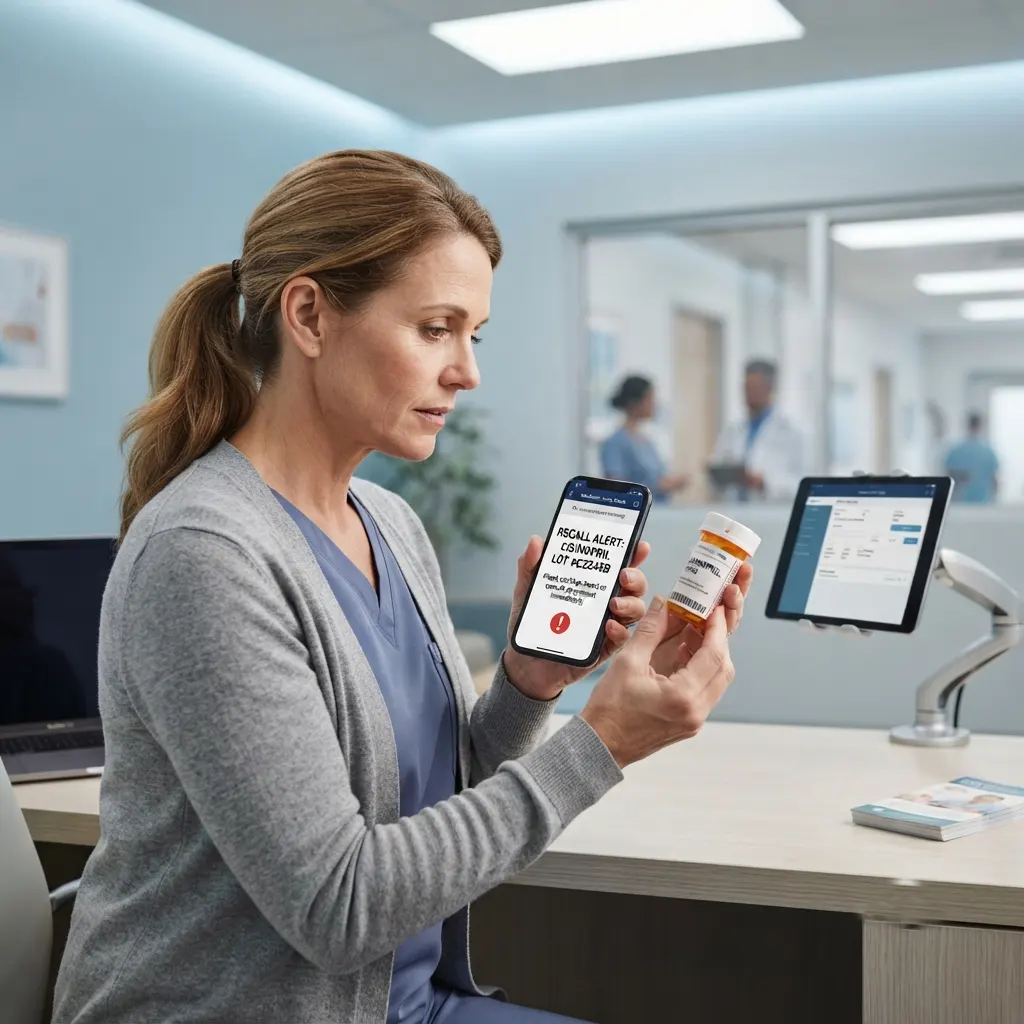
Before checking a recall notice, gather important information from your medication packaging, including:
- Medication name
- Manufacturer
- Batch or lot number
- Expiration date
These details help determine whether a specific product is affected.
3. Contact Your Pharmacy or Healthcare Provider
Pharmacists and healthcare professionals can provide guidance about recalled medications and possible alternatives. Patients should avoid stopping prescription medications without medical advice.
Resources from organizations such as the Centers for Disease Control and Prevention (CDC) emphasize the importance of reliable health information when making medical decisions.
Understanding Recall Classifications
Not all recalls have the same level of risk. Regulatory agencies often categorize recalls based on potential harm.
Some recalls involve serious safety concerns, while others may relate to minor packaging or quality issues. Reading the official recall announcement provides important context.
The European Medicines Agency (EMA) also publishes medicine safety information for European markets.
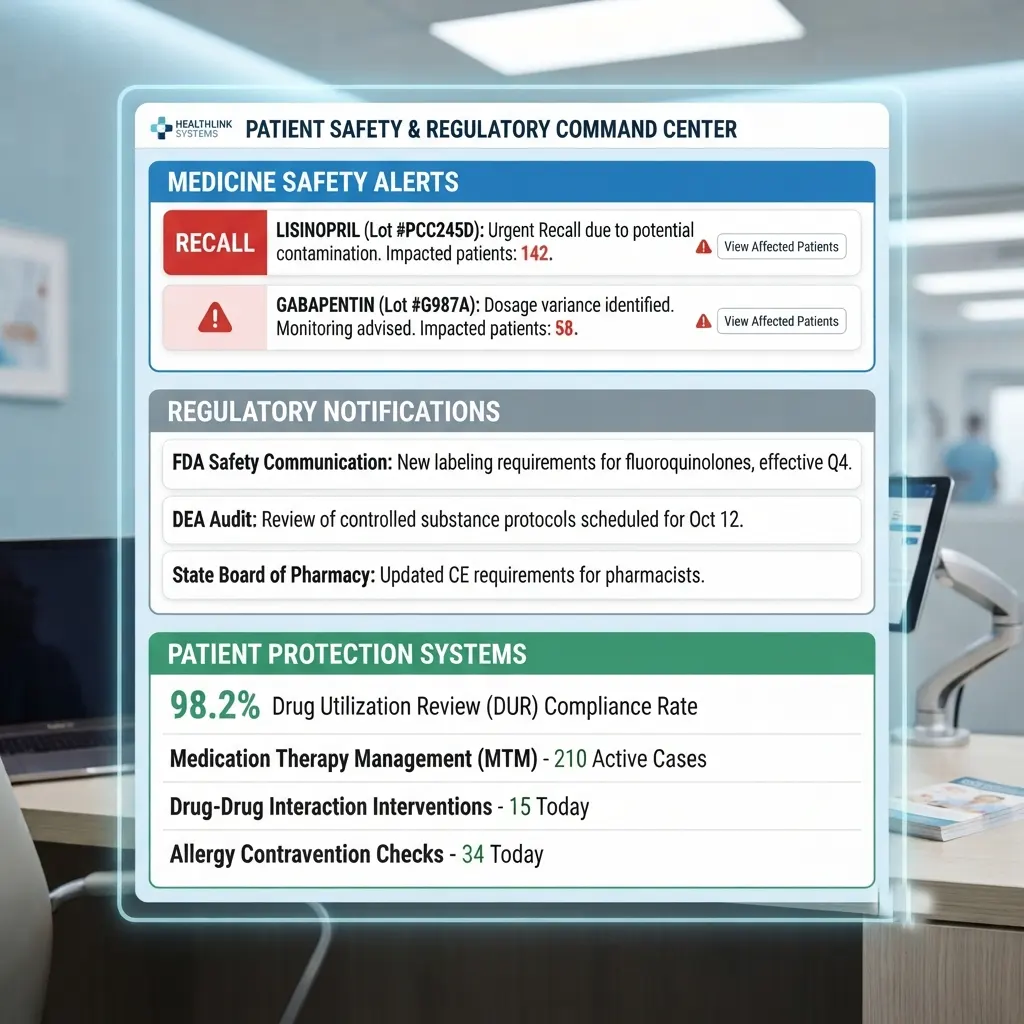
What Should You Do If Your Medication Is Recalled?
If you discover that your medication has been recalled:
- Do not panic or immediately stop treatment without professional advice.
- Confirm the recall details using an official source.
- Contact your pharmacist or doctor for next steps.
- Follow instructions for replacement, return, or disposal.
Proper medication management is especially important for people taking long-term prescriptions or multiple medications.
The Growing Importance of Medication Awareness
As healthcare systems become more connected, patients have greater access to safety information than ever before. Digital health tools, government databases, and pharmacy communication systems help improve transparency.
Organizations such as National Institutes of Health (NIH) support research and education that improve understanding of health risks and medical safety.
Medication recalls can be concerning, but having the right information helps patients respond effectively. Checking official sources, understanding recall notices, and communicating with healthcare professionals are essential steps for maintaining medication safety.
Being informed is one of the most powerful tools patients have when managing their health.
#MedicationSafety #DrugRecalls #HealthAwareness #FDAUpdates #PatientSafety #HealthcareTips #WellnessGuide #MedicalNews #PublicHealth