

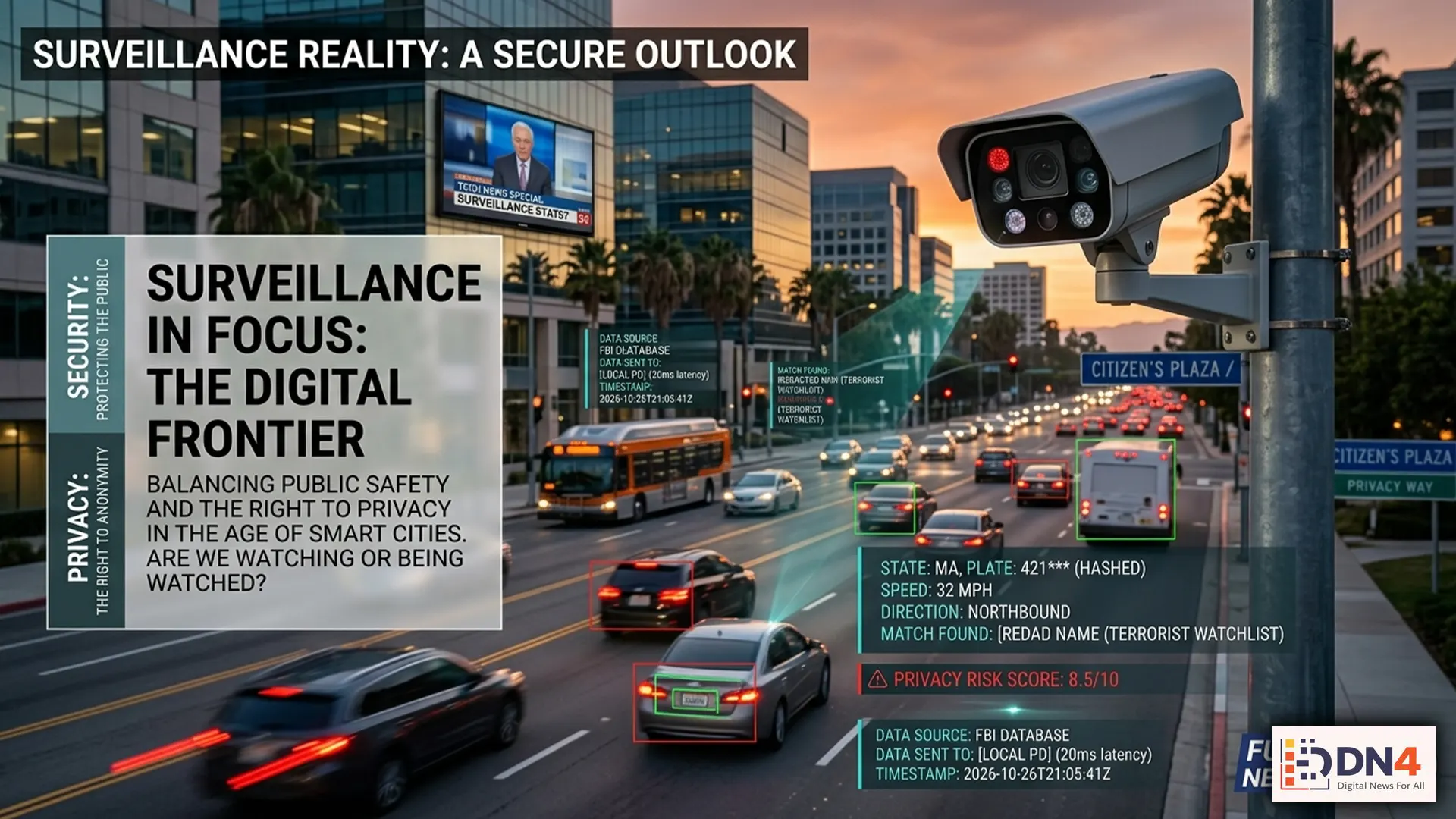
License plate readers are becoming one of the most widely used public safety technologies, but they are also creating a growing debate about privacy, surveillance and personal freedom. These automated systems can quickly scan thousands of vehicle plates, helping authorities locate stolen cars, investigate crimes and improve emergency responses.
However, as the technology expands across cities, communities are asking an important question: does increased security come with too high a cost to individual privacy?
How License Plate Readers Work
Automated License Plate Reader (ALPR) systems use cameras and software to capture vehicle licence plates and convert them into searchable data. Law enforcement agencies can compare this information against databases related to stolen vehicles, investigations or public safety alerts.
According to the Electronic Frontier Foundation, privacy advocates have raised concerns about how long location data is stored and who can access collected information.
The technology is already widely adopted. Police departments, private security companies, and communities seeking new crime prevention approaches have all embraced it.
Why Supporters Say ALPR Technology Helps
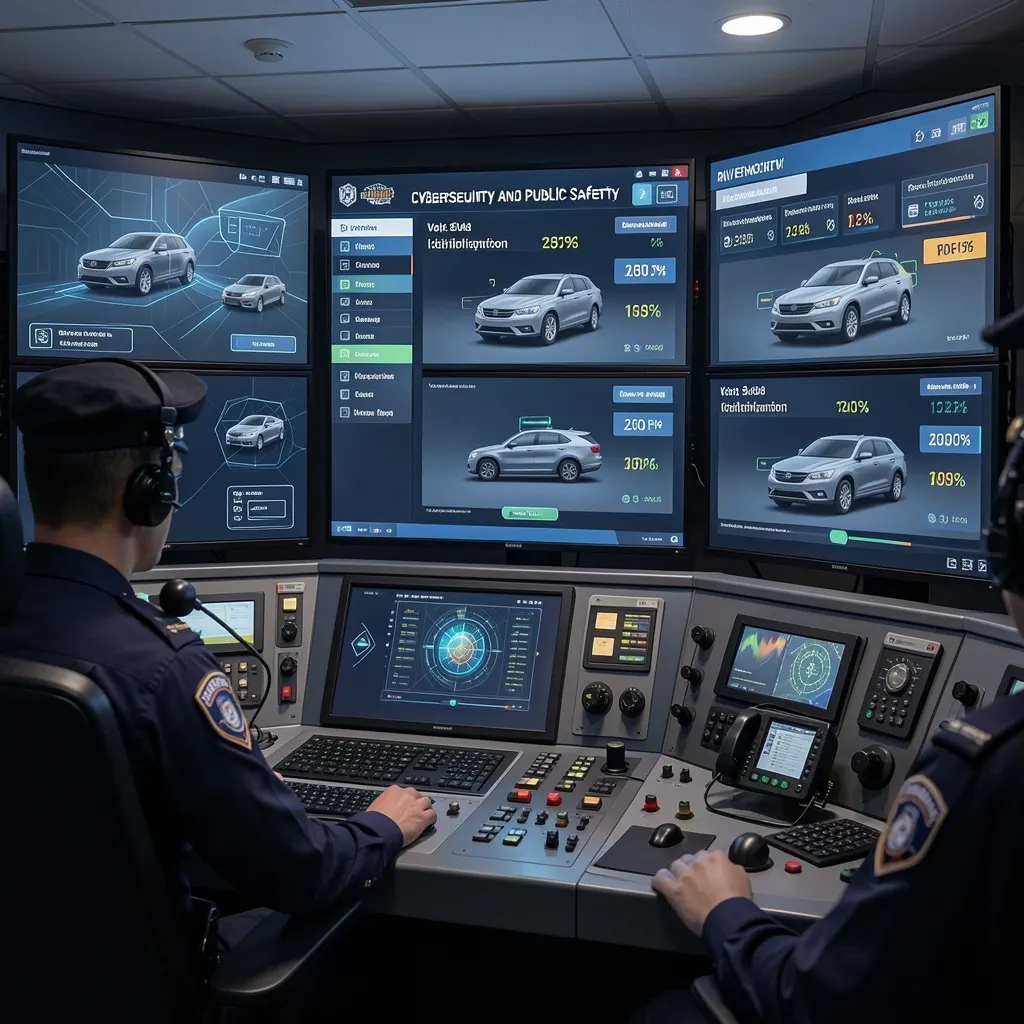
Supporters argue that license plate readers provide valuable tools for modern policing. Instead of relying only on traditional investigations, officers can use technology to identify patterns and respond more efficiently.
- Helping recover stolen vehicles
- Supporting criminal investigations
- Improving emergency response efforts
- Providing useful evidence after incidents
Information from organisations such as the National Highway Traffic Safety Administration highlights the broader role technology can play in improving transportation safety.
The Growing Privacy Debate
Privacy experts argue that collecting large amounts of vehicle movement data creates questions about surveillance boundaries. A vehicle record may reveal where someone travelled, when they travelled and potentially create detailed patterns of movement.
Digital privacy organisations, including the American Civil Liberties Union, have called for stronger rules around transparency, data retention and access controls.
Critics believe clear regulations are necessary to prevent misuse while still allowing technology to support legitimate investigations.
Finding the Balance Between Security and Privacy
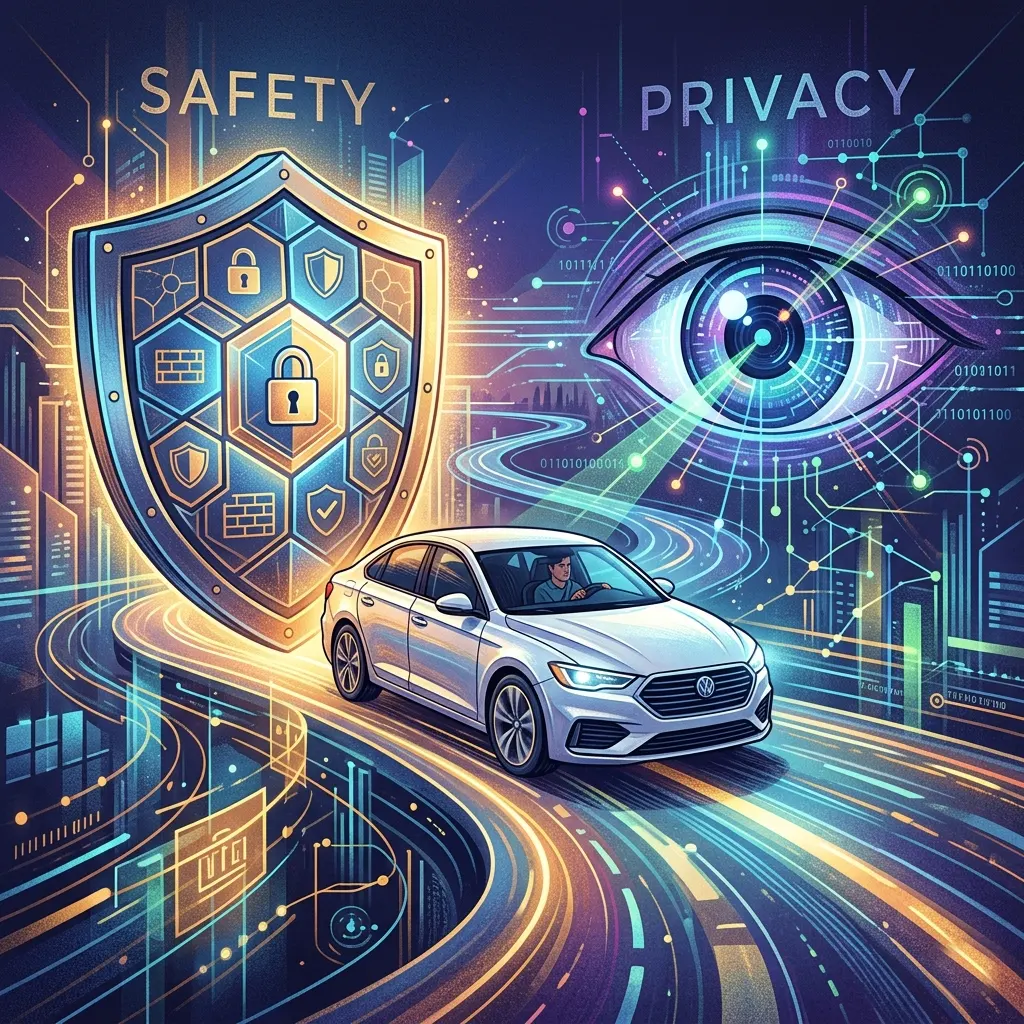
The debate around license plate readers reflects a larger discussion about smart cities and digital monitoring. Similar questions are being asked about facial recognition, location tracking and connected devices.
Cybersecurity experts from organisations such as the Cybersecurity and Infrastructure Security Agency continue emphasising the importance of protecting sensitive information collected through digital systems.
What the Future Could Look Like
As cities adopt more technology-driven security systems, the challenge will be creating policies that protect communities while respecting individual privacy.
License plate readers may offer valuable safety benefits, but transparency, responsible data management and public oversight will determine whether people view them as protection tools or constant monitoring systems.
The future of license plate readers will likely depend on trust. Communities want safer streets, but they also want confidence that personal information is collected and used responsibly.
#LicensePlateReaders #PrivacyRights #ALPR #SurveillanceTechnology #DataPrivacy #SmartCities #PublicSafety #CyberSecurity