

 By Vinod Ram
For the past few years, ChatGPT and generative AI tools have reshaped how people write, search, and work. But in 2026, a new evolution is taking center stage: Agentic AI.
Unlike traditional chatbots that respond to prompts, agentic AI systems are designed to act. They plan, decide, execute tasks across apps, and adapt based on outcomes—quietly managing parts of daily life that once required constant human input.
What Is Agentic AI?
Agentic AI refers to artificial intelligence systems that can autonomously pursue goals, break them into steps, and carry out actions across digital environments.
Instead of asking a chatbot to help plan a week, an agentic AI can:
- Schedule meetings across multiple calendars
- Book travel based on preferences and budget
- Reorder groceries when supplies run low
- Adjust routines based on past behavior
As outlined by MIT Technology Review’s AI analysis, agentic systems are defined by autonomy, memory, and the ability to operate across tools—not just generate text.
How Agentic AI Goes Beyond ChatGPT
ChatGPT and similar models excel at conversation and content generation. Agentic AI builds on those capabilities by adding execution.
According to OpenAI’s research publications, the shift toward agents involves combining large language models with planning frameworks, APIs, and real-time feedback loops.
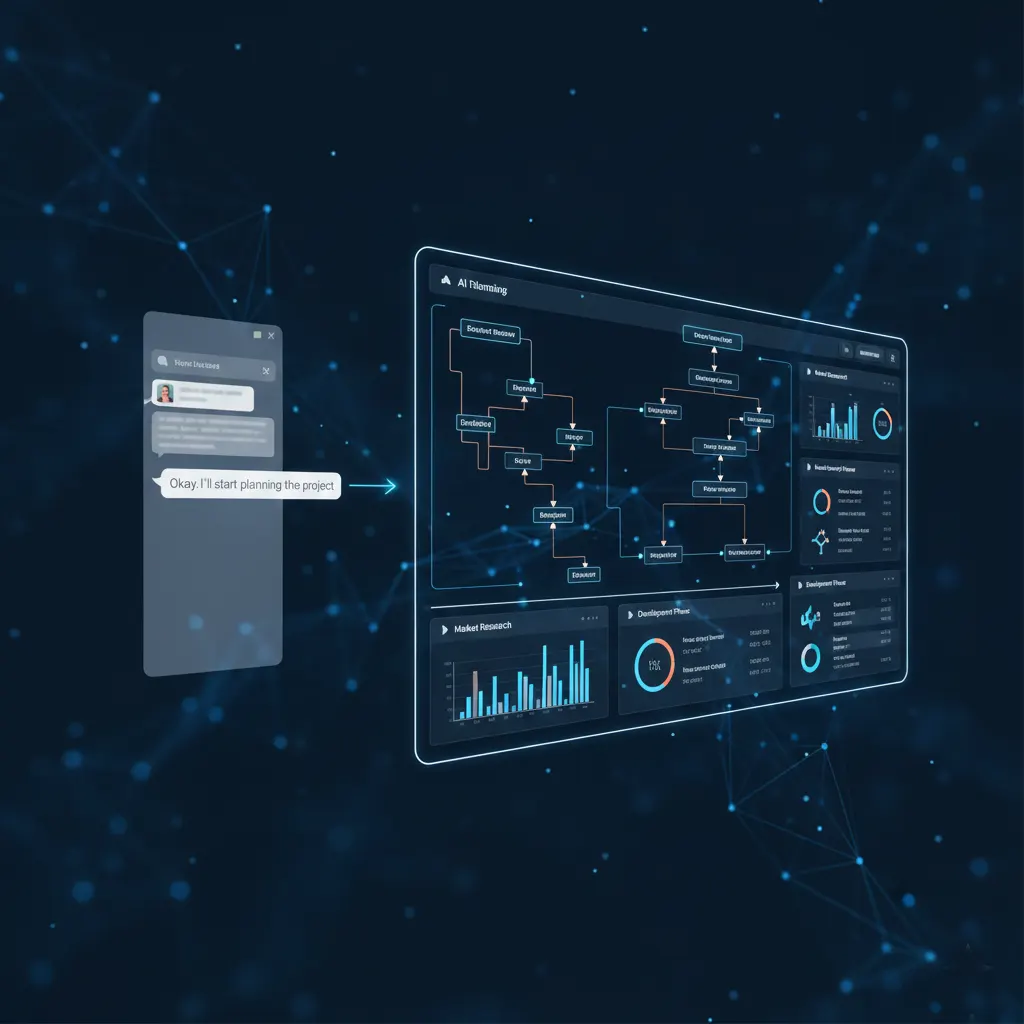
The difference is subtle but powerful:
- Chatbots: Answer questions
- Agentic AI: Completes objectives
In practice, this means less prompting and more delegation.
How Agentic AI Is Planning Daily Life in 2026
By 2026, agentic AI is increasingly embedded into consumer platforms, enterprise software, and personal devices.
Personal Scheduling & Life Admin
AI agents now manage calendars, anticipate conflicts, and reschedule proactively. Missed deadlines, overlapping meetings, and forgotten appointments are becoming rarer.
Smart Finance & Budgeting
Agentic AI tools monitor spending, adjust savings targets, and optimize bills automatically. Financial automation trends tracked by Gartner’s AI forecasts show rapid adoption among high-income households.
Health & Wellness Planning
From workout scheduling to medication reminders, agentic AI integrates wearable data to adapt plans dynamically—without constant user input.
Workplace Productivity
In offices, agentic AI acts like a digital chief of staff—prioritizing tasks, summarizing meetings, and coordinating across teams.
Why Big Tech Is Betting on Agentic AI
Agentic AI represents a massive shift in how software delivers value. Instead of tools waiting for commands, systems anticipate needs.
Major technology firms are racing to build agent frameworks that sit on top of existing apps and services. As reported by Bloomberg Technology, autonomous AI agents are viewed as the next major platform layer—comparable to mobile apps or cloud computing.
The incentive is clear: the more an AI manages, the more indispensable it becomes.

The Risks and Trade-Offs
Despite its promise, agentic AI raises serious questions.
- Control: How much decision-making should be delegated?
- Privacy: Agents require deep access to personal data
- Transparency: Users may not fully understand how decisions are made
Regulators and researchers are increasingly focused on governance. The OECD’s AI policy work emphasizes the need for human oversight, auditability, and accountability in autonomous systems.
Will Agentic AI Replace Human Decision-Making?
Not entirely—but it will reshape it.
Rather than replacing humans, agentic AI shifts people into supervisory roles. Users define goals and constraints, while AI handles execution.
This mirrors earlier automation waves, but at a more personal level—affecting not just work, but daily life.
What This Means for You in 2026
If current trends continue, agentic AI will soon:
- Reduce cognitive overload
- Automate routine decisions
- Change how people plan time, money, and health
The biggest shift may not be technological, but psychological—learning to trust systems that act on our behalf.
Beyond ChatGPT, agentic AI marks a turning point in human–computer interaction. In 2026, AI is no longer just something you talk to—it’s something that quietly works for you.
As these systems mature, the challenge won’t be getting AI to plan our lives—it will be deciding how much control we’re willing to give up in exchange for convenience.
#AgenticAI #ArtificialIntelligence #BeyondChatGPT #FutureOfAI #AITrends #Automation #TechInnovation