

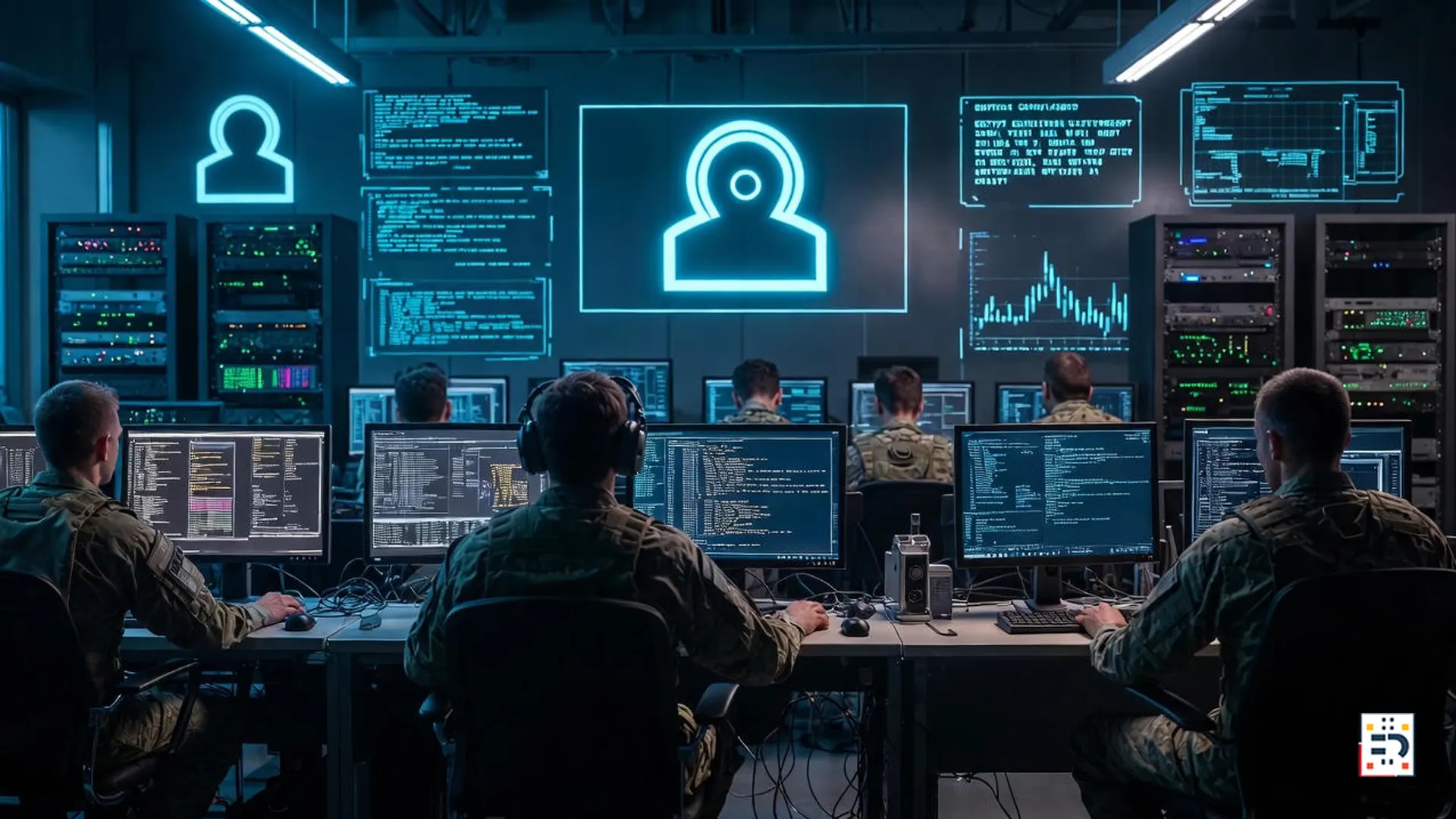
A growing national-security debate is unfolding after reports revealed that classified military information was circulated through private messaging apps. The incident highlights mounting concerns around digital communication practices, cybersecurity vulnerabilities, and the adequacy of current oversight mechanisms.
As more defense personnel and contractors rely on consumer-grade apps for fast communication, questions are emerging about whether existing protocols are strong enough to safeguard sensitive material.
How Classified Information Ended Up on Messaging Apps
Initial findings suggest that personnel used mainstream messaging platforms for quick coordination, unaware that they were sharing information that may fall under classified or restricted categories. In some cases, encrypted consumer apps were used instead of approved military communication systems.
Key Issues Identified
- Use of non-authorized digital platforms for operational or intelligence-related discussions.
- Lack of clarity around classification levels during field communication.
- Potential breaches of national-security protocols, exposing critical vulnerabilities.
- Gaps in cybersecurity training for staff dealing with sensitive materials.
The situation has triggered internal reviews across multiple defense branches.
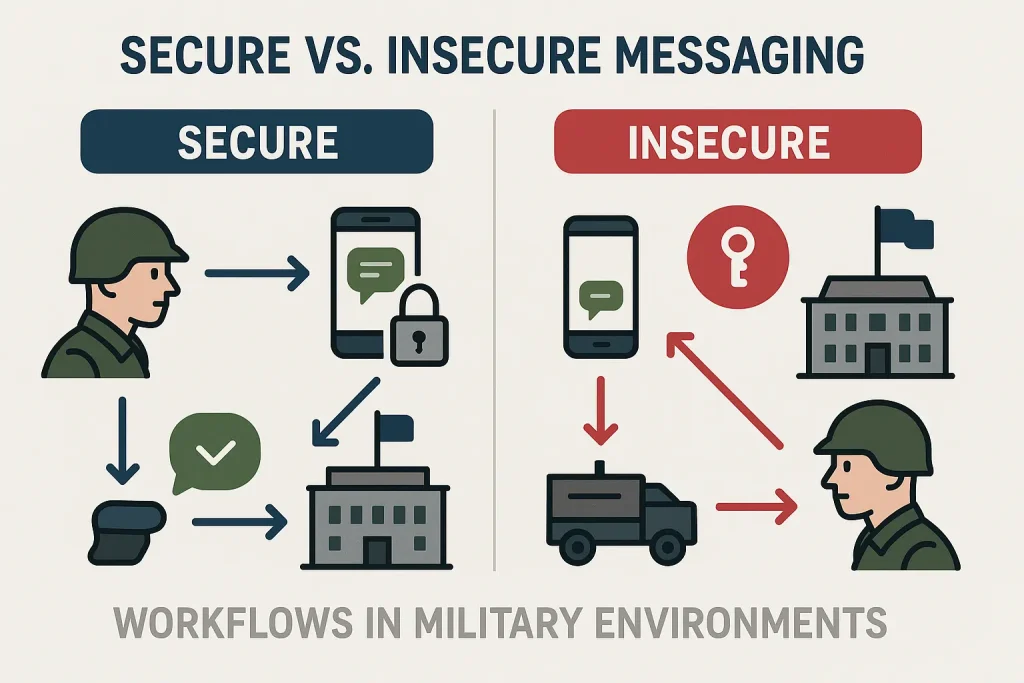
Oversight Under Scrutiny
The controversy has intensified discussions about the adequacy of military cybersecurity oversight. Lawmakers, defense analysts, and cybersecurity experts are calling for modernization of communication policies.
Growing Oversight Concerns
- Whether current security compliance standards are sufficient.
- How often personnel receive operational security (OPSEC) training.
- The need for stronger rule enforcement around classified data handling.
- Improving vetting and monitoring of communication tools used in the field.
Some have pointed to past incidents in which unauthorized digital platforms contributed to data leaks or intelligence exposure. This latest case adds new urgency.
The Role of Popular Messaging Apps
While many messaging apps offer encryption, consumer platforms do not meet defense-grade protection standards. Even apps promoting end-to-end encryption are vulnerable to metadata leaks, device-level threats, and unauthorized forwarding.
Risks of Using Civilian Messaging Apps
- Device infection or spyware compromise.
- Inability to control screenshotting or message forwarding.
- Unsecured cloud backups storing sensitive messages.
- Greater exposure to foreign surveillance capabilities.
Apps often cited in the security debate, for instance, include widely used platforms such as WhatsApp, Telegram, and Signal. While all of these provide encryption, they nonetheless lack military-grade auditing.
- End-to-end encryption technologies are summarized on the National Institute of Standards and Technology.
- Cybersecurity guidelines referenced in this debate appear in the Cybersecurity & Infrastructure Security Agency documentation.
- Historical examples of classified information breaches are archived by the Department of Defense Inspector General.
- Public discussions on secure communications policies are available through the U.S. Congress resources.

What Defense Agencies May Do Next
Following the controversy, defense agencies will review communication rules and strengthen digital protocols.
Potential Next Steps
- Updating approved communication tools list.
- Increasing cybersecurity drills and OPSEC training.
- Introducing stricter penalties for unauthorized app usage.
- Deploying military-grade secure messaging systems.
- Redesigning classification-level reminder systems in field devices.
These measures aim to prevent similar incidents and modernize military communications.
#CyberSecurity #NationalSecurity #MilitaryTech #InfoSecurity #DataProtection #OPSEC #MessagingApps #DigitalSafety #SecurityBreach #TechPolicy