

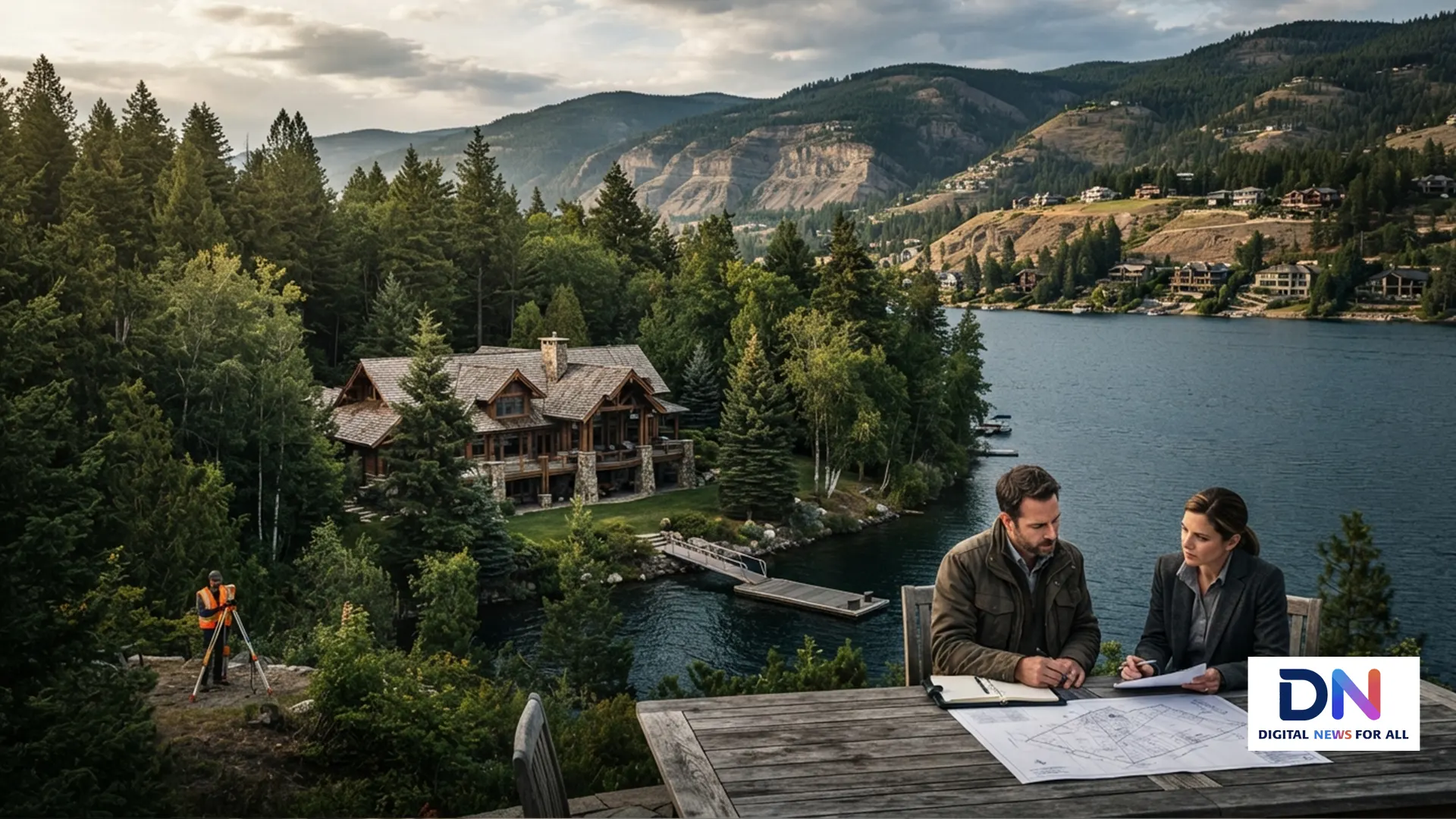
A seemingly ordinary tree-cutting lawsuit in British Columbia has delivered an expensive lesson about property boundaries, permission and neighbor disputes. Six neighbors were ordered to pay $35,000 after a court found them liable for cutting and topping trees on Jacalyn Hays’ property near Shuswap Lake.
It Started With Limited Permission
The dispute began in July 2021 at recreational properties in Sicamous, British Columbia. Hays’ neighbors wanted to improve their view of Shuswap Lake.
Hays agreed to limited trimming. According to the court record, she permitted small saplings near the top of the hillside to be cut, provided they were no more than three inches in diameter and remained six or seven feet tall.
She also said larger trees closer to her home should not be touched. Those trees provided shade and helped stabilize the hillside.
The Cutting Went Far Beyond the Agreement
When Hays returned to the property, she found that the work had exceeded what she believed she had authorized. Some saplings had been cut too aggressively, while debris had been left behind.
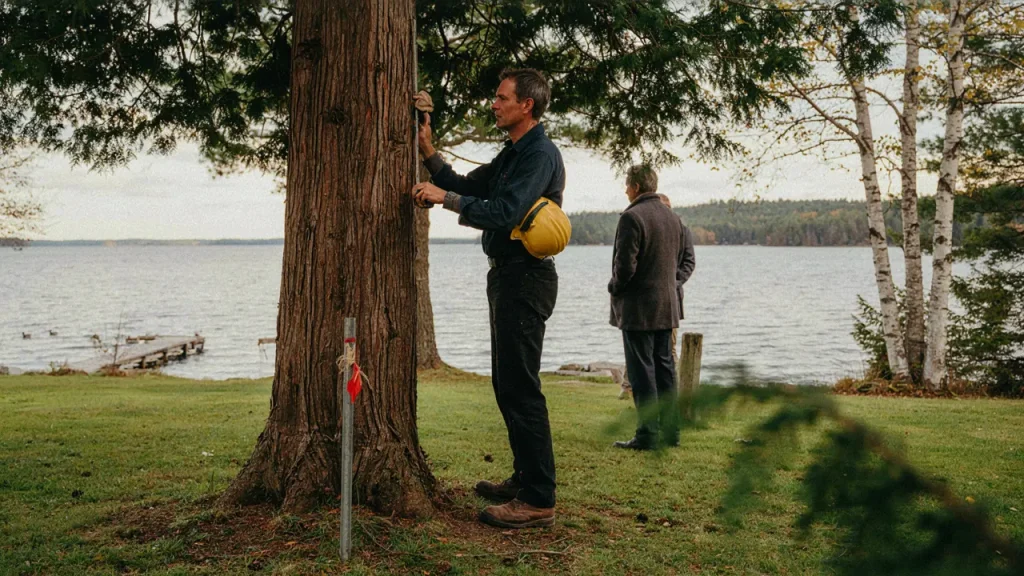
The bigger problem appeared later. Several mature trees had been topped by 20 to 40 feet, while a mature birch measuring roughly 50 feet was cut down.
The neighbors argued that they believed they had permission. But the court found that relying on second-hand instructions was not enough.
Why the Court Found Trespass
Judge George Leven concluded that the defendants should have confirmed exactly what Hays had authorized before proceeding. A phone call or email could have removed the uncertainty.
The Provincial Court of British Columbia lists Hays v. Fenton under civil liability, trespass to land and tree cutting and topping.
The court also considered a recorded conversation between Hays and Alan Fenton. The judge found the conversation supported the conclusion that there had been a serious misunderstanding about the scope of the permission.
The Hidden Cost of Losing Mature Trees
The damage was not simply cosmetic. Hays told the court that the trees had provided substantial shade around her home. After they were cut, her property received much more direct sunlight during the summer.
The court also heard evidence about the condition of the trees and the potential consequences of topping mature trees. The People’s Law School explains that property owners generally cannot enter a neighbor’s property to cut trees and that unauthorized cutting can lead to legal action.
How $35,000 Was Calculated
The final award reached the maximum available through British Columbia’s Small Claims Court. The judge calculated $34,064.43 in reasonable economic damages and then added compensation for the loss of enjoyment of the property.
The court said an additional $5,000 to $10,000 could have been appropriate for that loss. However, the small-claims limit capped the total award at $35,000.
According to the reported court decision, the damages included costs connected with replacement landscaping, an $18,000 shade structure and two air-conditioning units.
The Bigger Lesson for Homeowners
This tree-cutting lawsuit shows why verbal permission can become dangerous when property work is involved. A neighbor’s understanding of an agreement may be very different from the property owner’s understanding.
British Columbia guidance also distinguishes between trees entirely on one property and boundary trees. Even where branches extend across a property line, homeowners must stay within specific limits when exercising their rights.
The lesson is straightforward: before cutting a neighbor’s trees, confirm the property line, obtain clear written permission and document exactly what work is allowed.
What looked like a simple attempt to improve a lake view ultimately became a $35,000 legal dispute—and a reminder that mature trees can carry significant financial and personal value.
#TreeCuttingLawsuit #BritishColumbia #Homeowners #PropertyRights #NeighborDispute #ShuswapLake #RealEstate #CanadaNews #LegalNews