

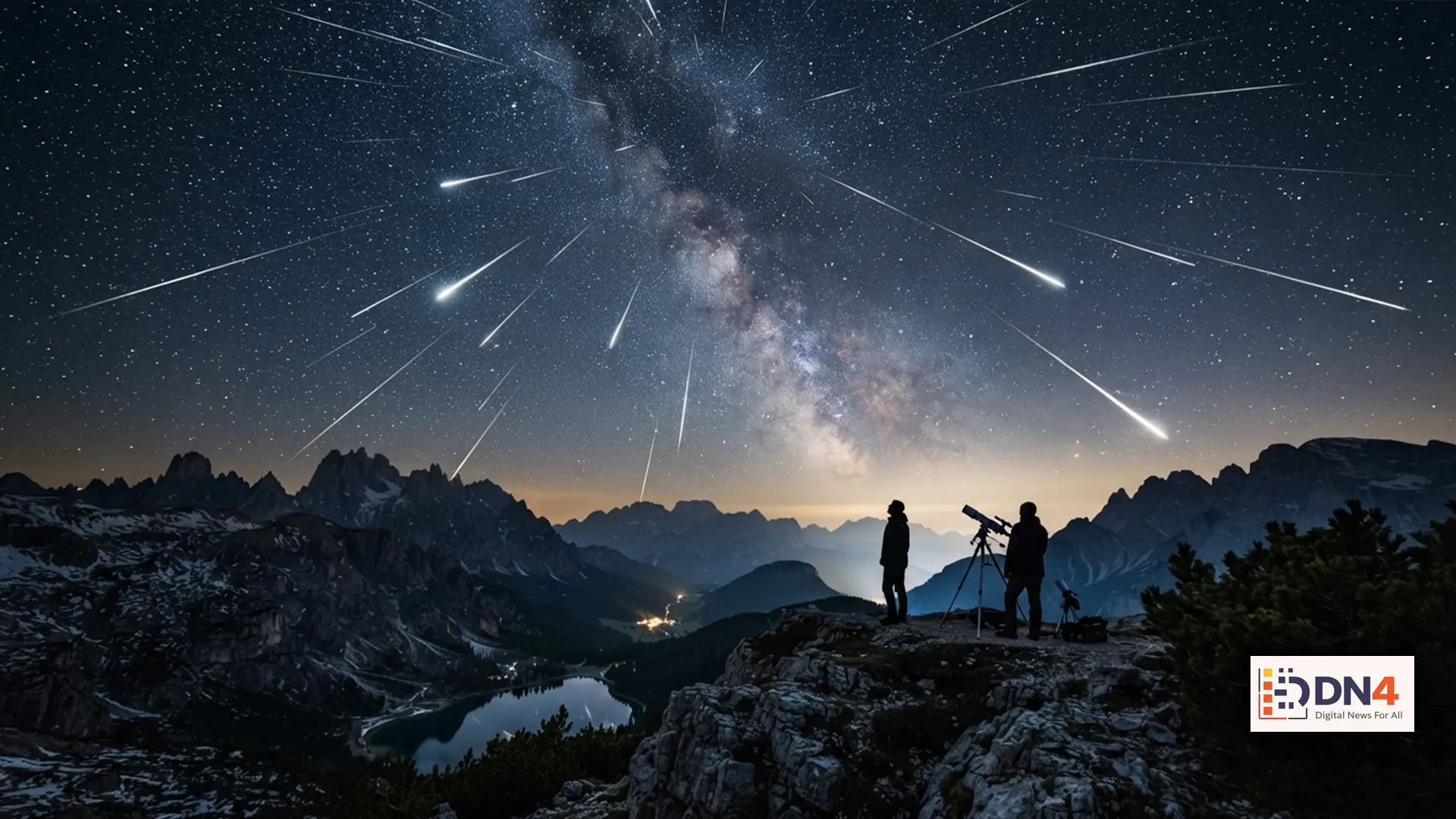
The Full Moon often steals the spotlight. However, it can make faint meteors difficult to see. Once the Moon begins to wane, darker skies return. That creates better conditions for meteor watching.
Several meteor showers are expected to brighten the night sky in the coming weeks. Whether you are an experienced astronomer or a first-time observer, this is a great time to plan a stargazing session.
Why the Moon Matters
Moonlight can wash out faint meteors. As the Moon moves away from its full phase, the sky becomes darker. That improves visibility and increases your chances of spotting shooting stars.
Skywatchers can monitor lunar phases through NASA’s Moon Exploration Program. The latest sky conditions are also available from NASA Skywatching.
Perseid Meteor Shower Takes Center Stage
The Perseid meteor shower remains one of the year’s most popular astronomical events. It is known for producing bright, fast meteors and occasional fireballs.
According to the International Meteor Organization, the Perseids typically offer dozens of meteors per hour under dark skies. Peak activity usually occurs during the overnight hours before dawn.
Best Tips for Viewing
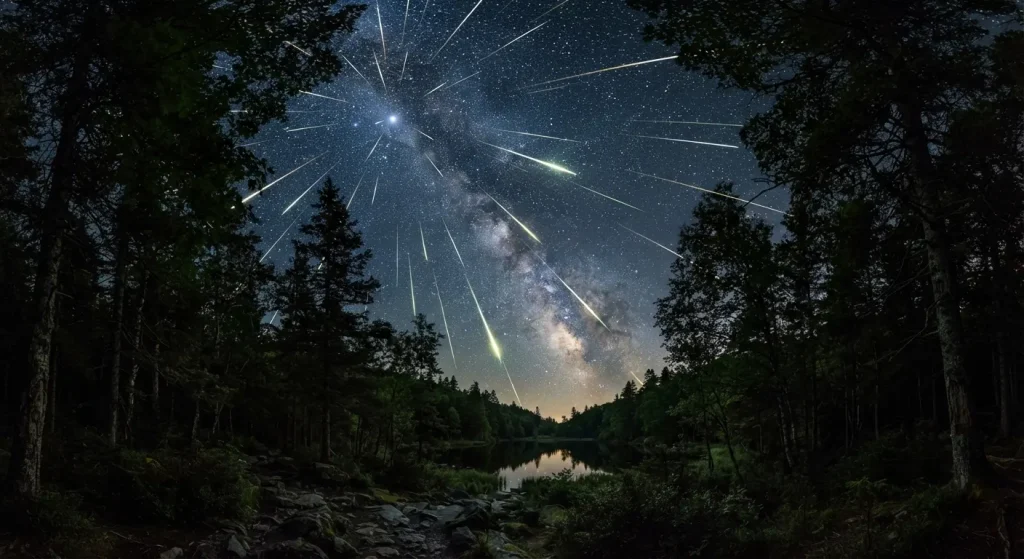
Choose a location away from city lights. Allow your eyes about 20 minutes to adjust to the darkness. Avoid looking at your phone, as bright screens reduce night vision.
The EarthSky website recommends lying back in a reclining chair instead of using a telescope. Meteor showers are best viewed with the naked eye because they can appear anywhere in the sky.
Check the Weather Before You Go
Cloud cover can quickly ruin a stargazing session. Always check the local weather forecast before heading outside.
Reliable forecasts are available from the U.S. National Weather Service. International observers can also consult their local meteorological agencies.
Other Celestial Sights
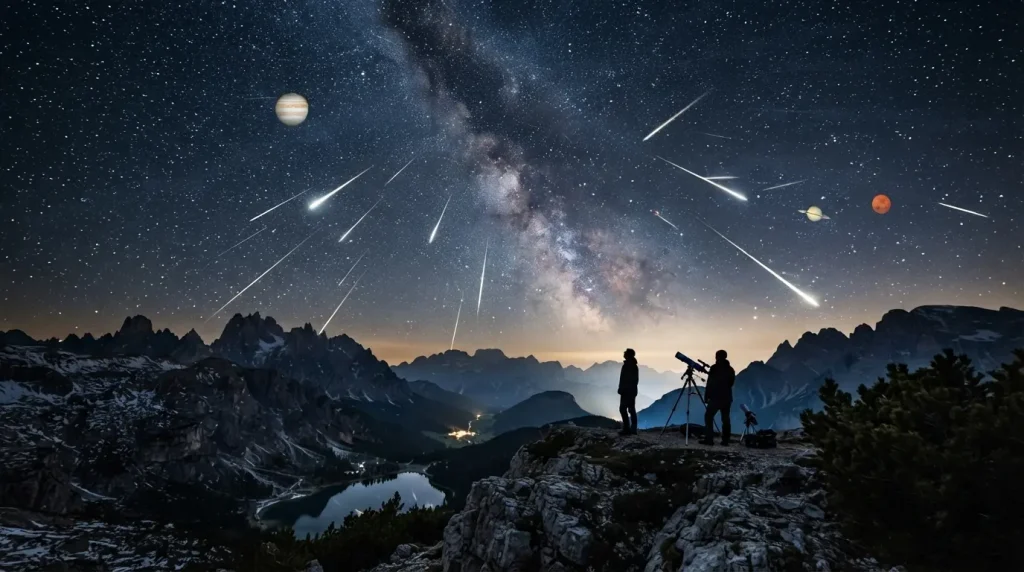
Meteor showers are not the only attractions after the Full Moon. Bright planets, the Milky Way, and several deep-sky objects become easier to observe under darker skies.
Interactive sky maps from Stellarium Web help identify planets, constellations, and other visible objects throughout the night.
The days after a Full Moon offer excellent opportunities for skywatching. Darker skies improve meteor visibility and reveal more of the night sky.
Pack a blanket, find a dark location, and give your eyes time to adjust. With a little patience, you may witness one of nature’s most spectacular light shows.
#MeteorShowers #Stargazing #Astronomy #NightSky #Space #Skywatching #ScienceNews