

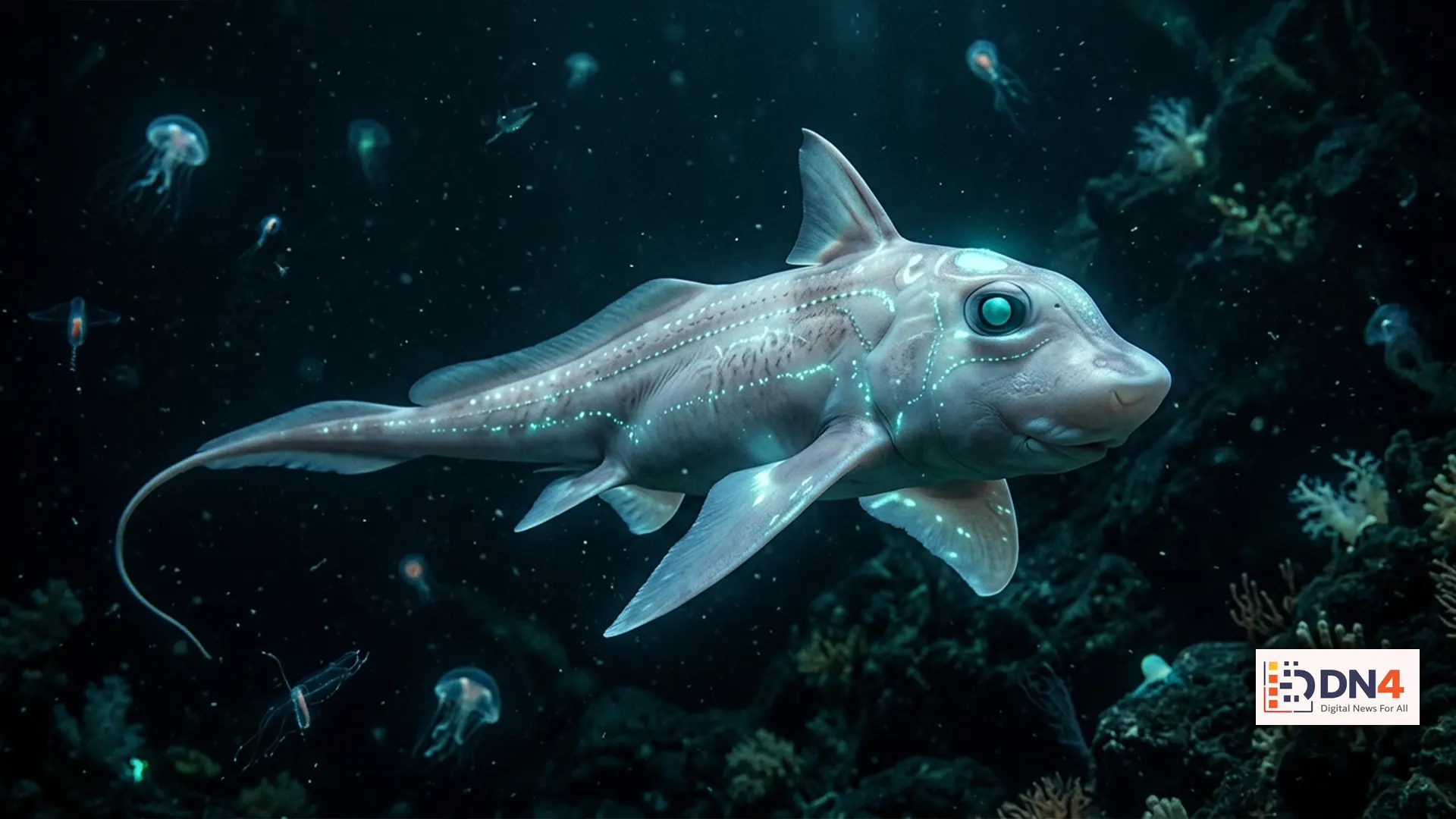
The deep ocean continues to surprise scientists, and the recent identification of Rhinochimaera costaricana has added a remarkable chapter to marine biology. Commonly referred to as a “ghost shark,” this elusive species belongs to the ancient group of cartilaginous fishes known as chimaeras.
Discovered off the Pacific coast of Costa Rica , this species highlights how little we still know about deep-sea ecosystems and the creatures that inhabit them.
A Rare Glimpse Into the Deep Ocean
Deep-sea research institutions such as Smithsonian Ocean and NOAA Fisheries emphasize that chimaeras are among the least understood groups of marine animals due to their extreme habitats, often living hundreds to thousands of meters below the surface.
The discovery of R. costaricana contributes valuable data to ongoing efforts to map deep ocean biodiversity. This priority is also supported by global marine research initiatives.
What Makes the “Ghost Shark” So Unique?
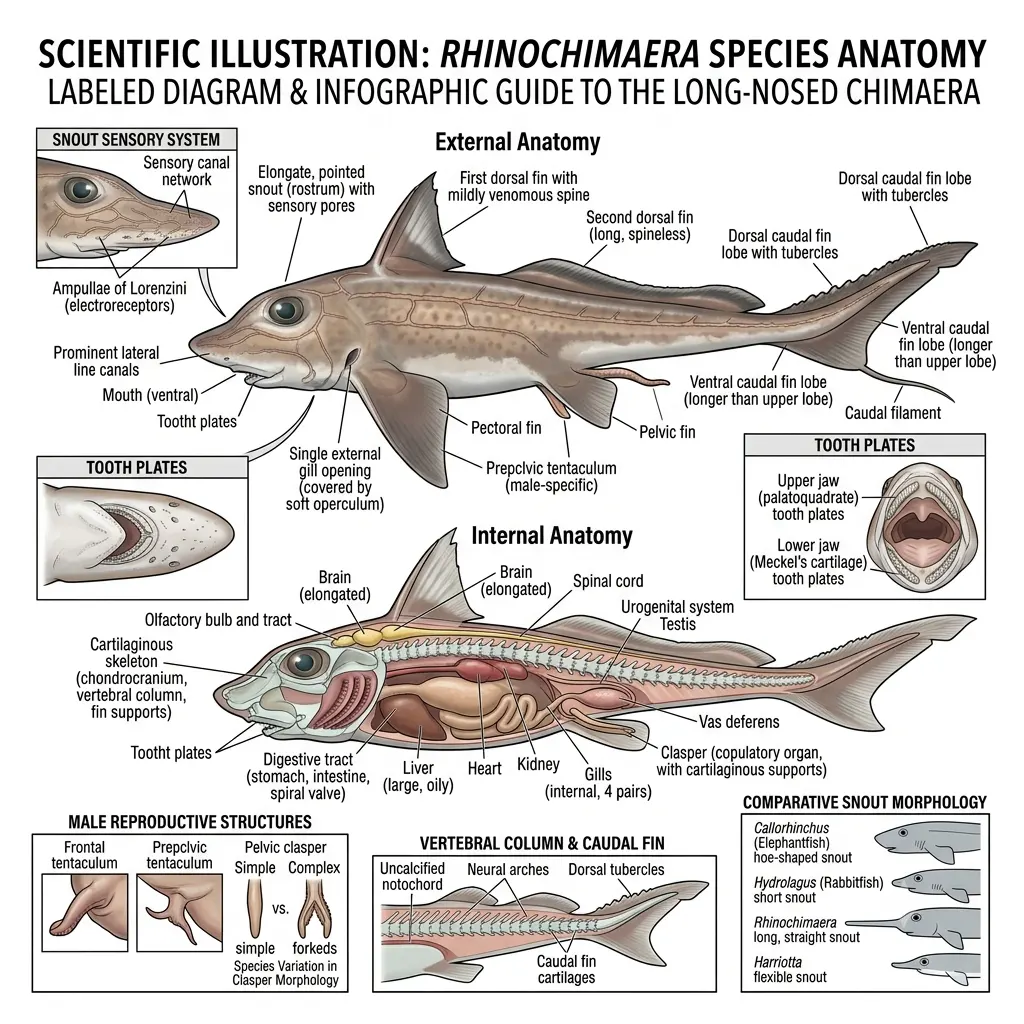
Despite their nickname, ghost sharks are not true sharks but distant relatives. They belong to a lineage that diverged from sharks over 400 million years ago, making them evolutionary relics.
Scientific journals such as Nature and Science have long documented how chimaeras exhibit unique biological features such as cartilaginous skeletons, toxic dorsal spines, and highly specialized sensory systems.
Why This Discovery Matters
According to the IUCN Red List, many deep-sea species remain unclassified or data-deficient, meaning each new discovery significantly improves conservation understanding.
Identifying this species also helps scientists understand ecological balance in deep-sea environments. Even small disruptions from climate change or deep-sea fishing can have large impacts there.
Costa Rica: A Hotspot for Marine Biodiversity
Costa Rica is globally recognized for its biodiversity protection efforts, supported by institutions such as the Sistema Nacional de Áreas de Conservación. Its Pacific waters are increasingly becoming a focal point for deep-sea exploration.
Research published by MarineBio highlights that the Eastern Tropical Pacific region is one of the most biologically rich yet underexplored marine zones in the world.
The Future of Deep-Sea Exploration
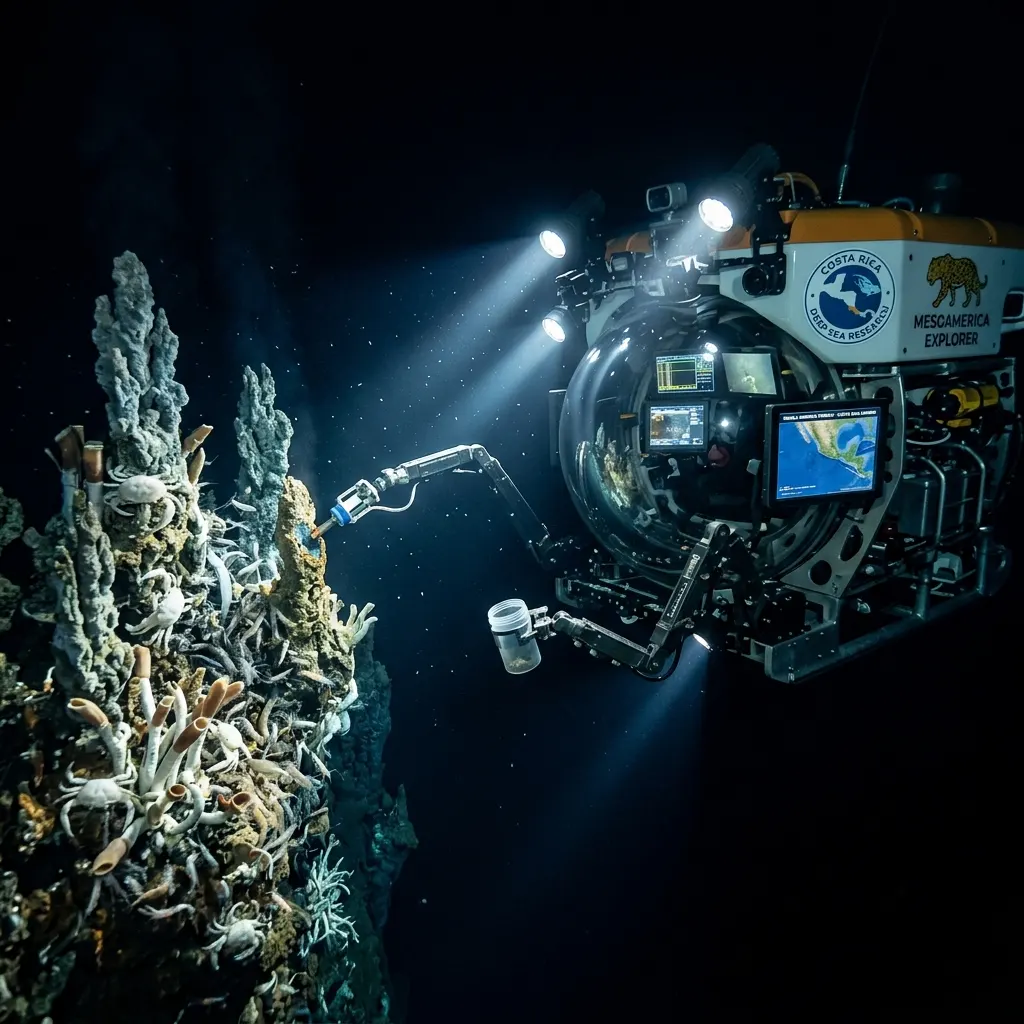
Advancements in submersible technology and remote sensing are allowing scientists to document species like Rhinochimaera costaricana in unprecedented detail. These tools are reshaping our understanding of life in extreme ocean environments.
Experts believe thousands of undiscovered species may still exist in similar habitats. Many could be lost before they are even documented.
The discovery of Rhinochimaera costaricana off the coast of Costa Rica is more than a scientific curiosity. It is a reminder of how vast and unexplored our oceans remain. Each new species discovered strengthens the case for deeper marine research and stronger conservation efforts worldwide.
#GhostShark #DeepSea #MarineScience #CostaRica #OceanDiscovery #Sharks #WildlifeNews #Biodiversity #ScienceNews