

 By Vinod Ram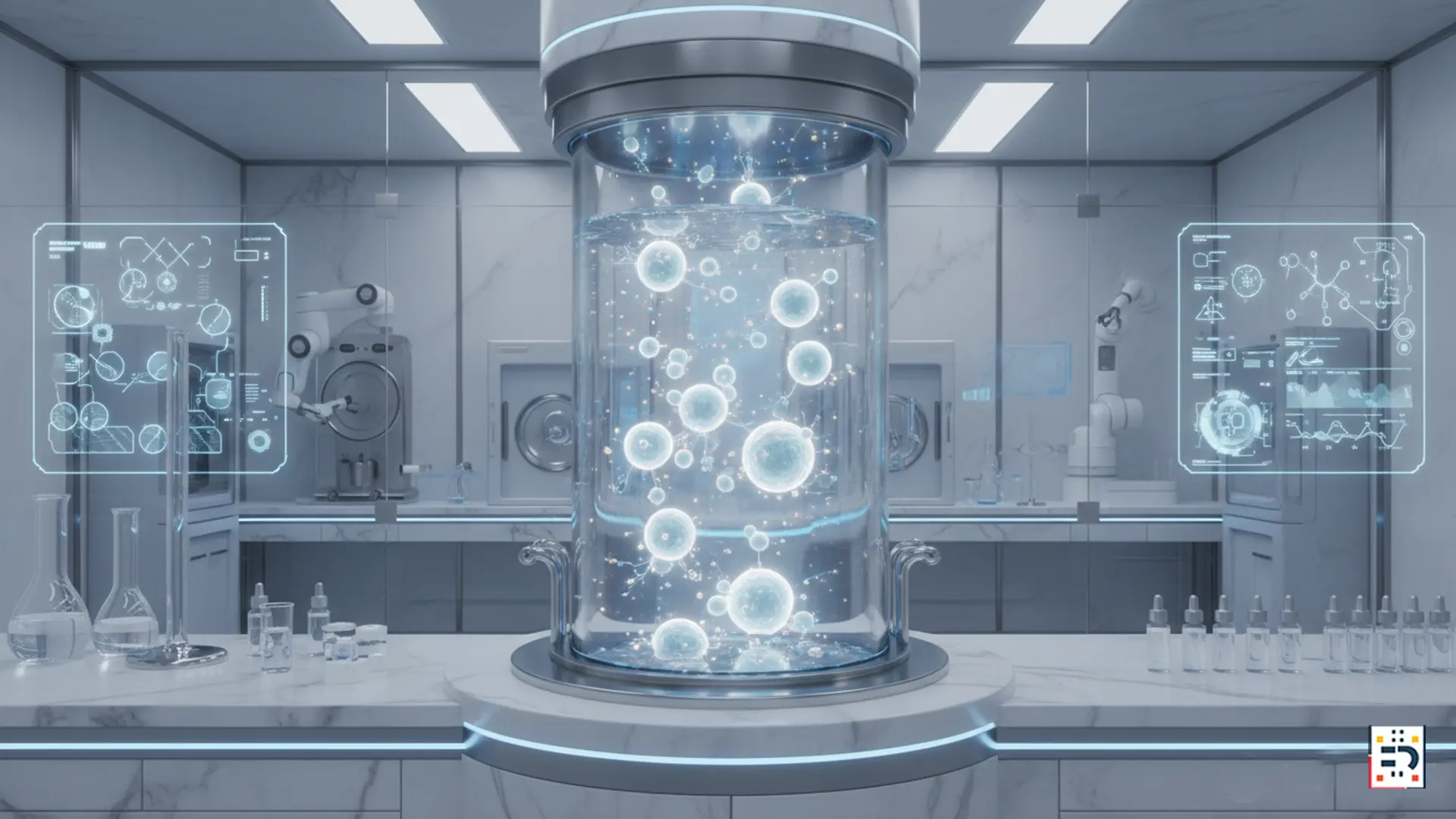
For more than a decade, “organic” and “natural” were the holy grail of skincare. In 2026, that narrative is being quietly replaced by something far more clinical—and far more powerful: biotech beauty.
Search trends show explosive growth in ingredient-heavy products like exosome serum, signaling a shift toward science-backed formulations that promise visible, cellular-level results.
What Are Exosomes—and Why Are They in Skincare?
Exosomes are microscopic extracellular vesicles that act as messengers between cells. In medical research, they’ve been studied for years for their role in tissue repair and regeneration. Now, those same mechanisms are being applied to skincare.
According to research summarized by the National Institutes of Health , exosomes can help support collagen production, skin barrier repair, and cellular communication.
Exosome Serum vs Traditional “Organic” Beauty
Traditional organic skincare focuses on what it excludes—synthetics, preservatives, and lab-derived ingredients. Biotech skincare flips the script by focusing on what it includes: lab-optimized compounds with measurable biological effects.

An exosome serum doesn’t just hydrate the skin. It delivers targeted signals that encourage renewal at the cellular level, something plant oils alone simply can’t do.
Salmon DNA Facial: From Luxury Treatment to Mainstream Trend
Another treatment fueling the biotech boom is the salmon DNA facial, a procedure using polynucleotides derived from salmon DNA to promote skin regeneration.
Popularized in South Korea and now spreading globally, these treatments are praised for improving elasticity, hydration, and skin texture. Dermatology platforms like Allure note the growing demand for science-led procedures over purely botanical ones.
Red Light Therapy and the Rise of At-Home Biotech
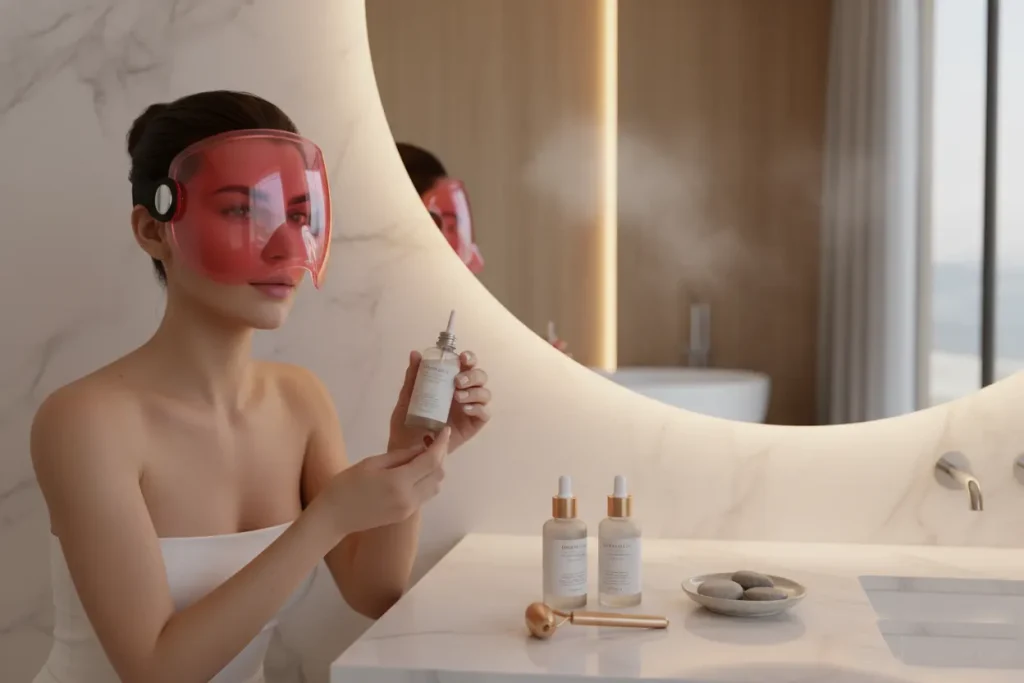
Biotech skincare isn’t limited to serums and injectables. Red light therapy devices have moved from dermatology clinics into bathrooms and bedrooms worldwide.
By stimulating mitochondrial activity and reducing inflammation, red light therapy complements exosome-based products, creating multi-layered routines rooted in cellular science. Health publications like Healthline highlight its growing evidence base.
Where Non-Toxic Beauty Fits In
Despite the rise of high-tech formulations, non-toxic beauty isn’t disappearing. Instead, it’s evolving.
Consumers now expect biotech products to be both effective and clean— free from harmful additives while still delivering clinical-grade performance. The new gold standard isn’t “natural vs synthetic,” but safe, tested, and proven.
Why 2026 Is the Tipping Point for Biotech Skincare
Several forces are converging to make biotech beauty unavoidable:
- Better consumer understanding of skin biology
- Influence of Korean and medical-grade skincare
- Clinical data driving purchasing decisions
- Fatigue with vague “clean beauty” marketing
Skincare is no longer about aesthetics alone—it’s about measurable outcomes.
Exosomes represent more than a trend. They signal a broader shift toward skincare rooted in biotechnology, where ingredients are designed, tested, and refined at the cellular level.
In 2026, beauty isn’t just clean—it’s intelligent.
#ExosomeSerum #BiotechSkincare #SalmonDNAFacial #RedLightTherapy #NonToxicBeauty #SkinScience #FutureOfBeauty