


Obesity remains one of the world’s most significant public health challenges, increasing the risk of heart disease, type 2 diabetes, and other chronic conditions. Researchers are now exploring a new generation of medicines designed to improve long-term weight management, and one of the most closely watched candidates is retatrutide.
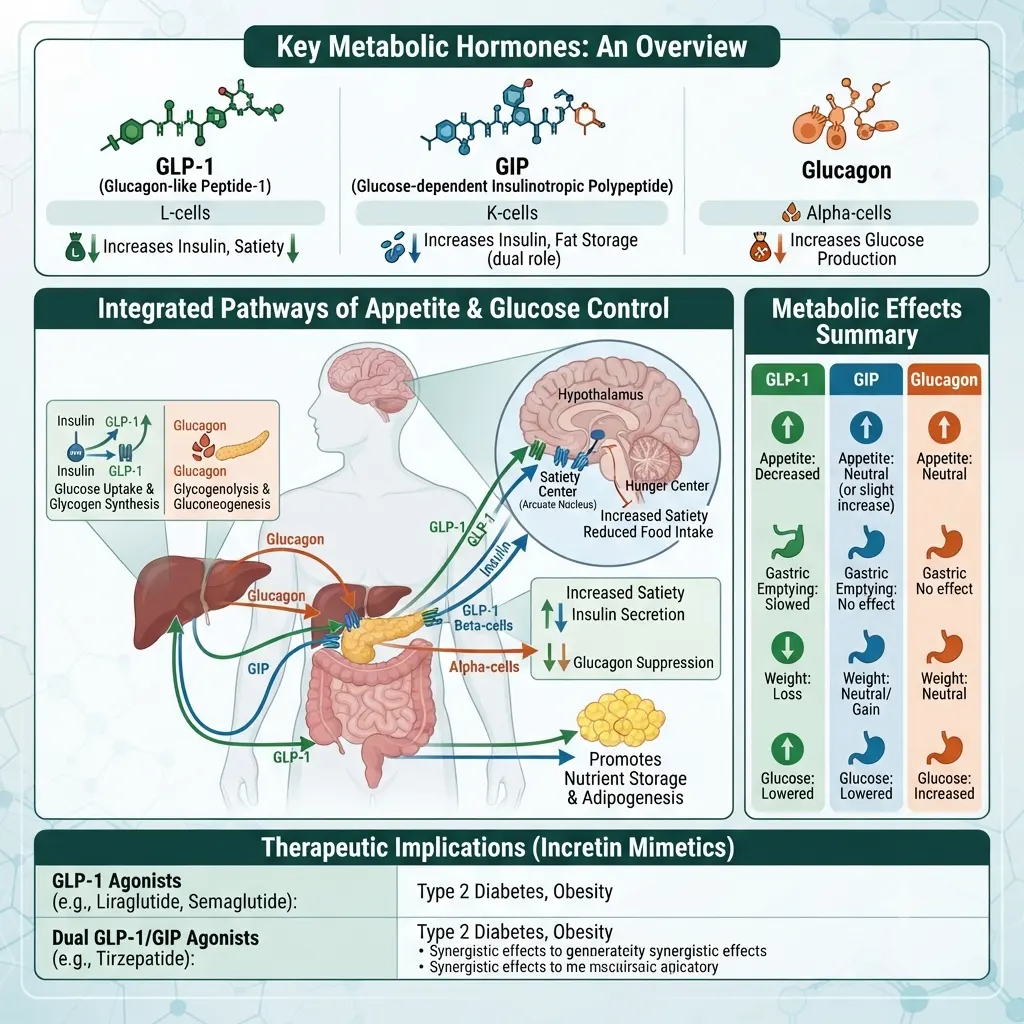
Unlike earlier therapies that target a single hormone pathway, retatrutide is being studied for its ability to activate three different hormone receptors involved in appetite regulation, blood sugar control, and energy metabolism. This innovative approach has attracted considerable attention within the medical community.
What Is Retatrutide?
Retatrutide is an investigational medication being studied for chronic weight management and metabolic diseases. It works by targeting the GLP-1, GIP, and glucagon receptors, aiming to reduce appetite while improving the body’s energy balance and glucose regulation.
Because it is still undergoing clinical evaluation, retatrutide has not been approved for general use in many countries. Healthcare professionals continue to evaluate its safety and effectiveness through ongoing research.
Clinical trial information is available through ClinicalTrials.gov .
Why Researchers Are Excited
Early clinical studies have shown promising weight-loss results among participants when combined with healthy lifestyle changes. Researchers believe that targeting multiple biological pathways may improve treatment outcomes compared with medicines that focus on a single mechanism.
The National Institutes of Health continues to support research into obesity, metabolism, and chronic disease prevention.
Potential Benefits
- Improved weight management
- Better blood sugar regulation
- Potential cardiovascular health benefits
- Support for long-term metabolic health
- Reduced obesity-related health risks when combined with lifestyle interventions
Important Considerations
Although early research is encouraging, retatrutide remains under clinical investigation. Long-term safety, effectiveness across different populations, and potential side effects continue to be evaluated before broader regulatory approvals are granted.
Anyone considering prescription weight-loss treatments should consult qualified healthcare professionals to determine the most appropriate treatment options.
The U.S. Food and Drug Administration provides updates on approved medications and drug safety information.

The Future of Obesity Treatment
Medical experts increasingly recognize obesity as a complex chronic disease influenced by genetics, environment, behavior, and metabolism. New therapies like retatrutide represent a shift toward more personalized and comprehensive treatment strategies alongside nutrition, exercise, and behavioral support.
Organizations such as the World Health Organization and the Obesity Medicine Association continue promoting evidence-based approaches to obesity prevention and care.
Retatrutide represents an exciting area of obesity research, but it remains an investigational therapy. As clinical studies continue, healthcare professionals and patients alike will gain a clearer understanding of its potential role in long-term weight management. Until then, healthy lifestyle choices and medical guidance remain the foundation of effective obesity care.
- CDC Obesity Resources
- National Institute of Diabetes and Digestive and Kidney Diseases
- American Heart Association
- New England Journal of Medicine
#Retatrutide #ObesityTreatment #WeightLoss #MetabolicHealth #GLP1 #MedicalResearch #HealthcareInnovation #Wellness #HealthNews