


A provocative idea is spreading: Gen Z and millennials are aging faster than their parents. The science is more complicated than that headline suggests. There is no evidence that an entire generation has suddenly developed a shorter lifespan. However, researchers have identified concerning changes in biological aging, brain health and long-term health risks that deserve attention.
The Pandemic May Have Left a Biological Mark
COVID-19 did more than cause an enormous mortality shock. Research suggests that infection and pandemic-related stress may affect biological systems associated with aging.
A Nature Communications study found evidence of accelerated epigenetic aging among people with COVID-19. The researchers also observed telomere changes and reported that some of the biological-age effects could partly reverse during recovery.
That distinction matters. Biological age is not the same thing as the number of birthdays someone has experienced, and an aging biomarker does not automatically mean someone will die younger.
Brain Aging Is Another Warning Signal
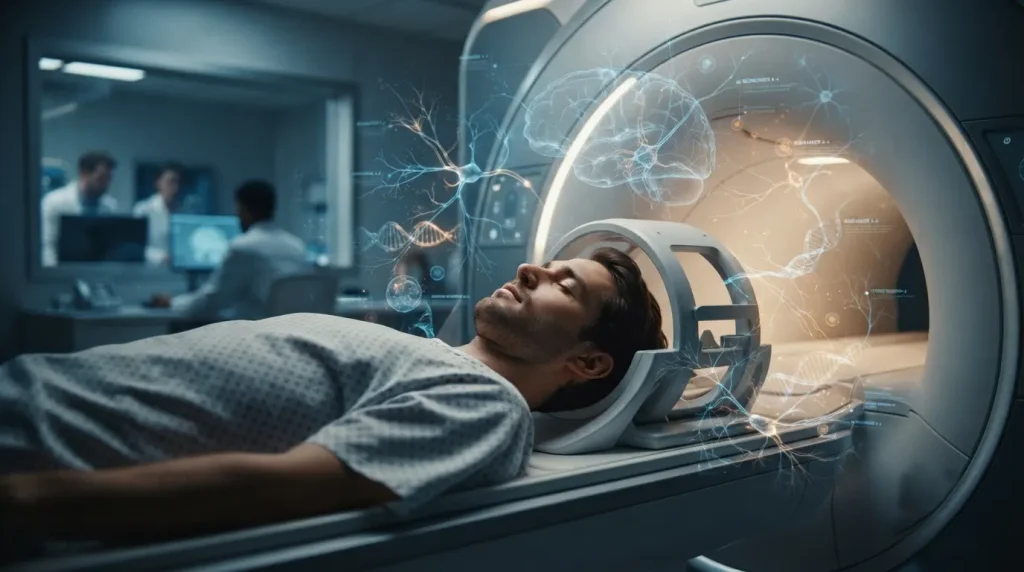
The pandemic’s potential effects on the brain are particularly interesting. A 2025 Nature Communications study using UK Biobank brain scans found that pandemic exposure was associated with accelerated brain-ageing changes even among people without COVID-19 infection.
The average difference was modest—about 5.5 months in the brain-age gap compared with controls. The researchers also found that accelerated brain aging was more pronounced in some groups, including people from deprived socioeconomic backgrounds.
But Are Young Americans Actually Dying Younger?
Here the viral narrative breaks down. Current U.S. mortality data do not show a general collapse in longevity.
According to the CDC’s National Center for Health Statistics, U.S. life expectancy reached a record 79.0 years in 2024. Death rates also declined for nearly every age group.
That does not erase the health concerns facing younger generations. Lifestyle, socioeconomic conditions, chronic stress, sleep, physical inactivity and substance exposure can influence long-term health. A recent systematic review and meta-analysis found that adverse early-life circumstances were associated with accelerated multi-system biological aging across 23 studies involving more than 344,000 participants.
The Real Longevity Crisis May Be Healthspan
The more defensible concern is therefore not that Gen Z and millennials are automatically losing years of life. It is that some people may spend more of those years living with chronic health problems.
Scientists increasingly distinguish between lifespan and healthspan. Someone can live to an advanced age while developing metabolic, cardiovascular, cognitive or other chronic problems much earlier.
Why This Story Matters
The post-pandemic generation is still young. That means today’s health patterns could take decades to translate into measurable differences in mortality.
The evidence does not support declaring Gen Z and millennials a “lost longevity generation.” Instead, the research raises a more useful question: could pandemic disruption, chronic stress and unhealthy environments influence how quickly some young people accumulate biological risk?
The answer is still being studied. But the lesson is already clear: longevity is not determined by age alone. Environment, behavior, socioeconomic conditions, infection and recovery can all influence the pace at which the body and brain age.
#GenZ #Millennials #Longevity #BiologicalAging #HealthyAging #PostPandemic #BrainHealth #COVID19 #HealthScience #LifeExpectancy