

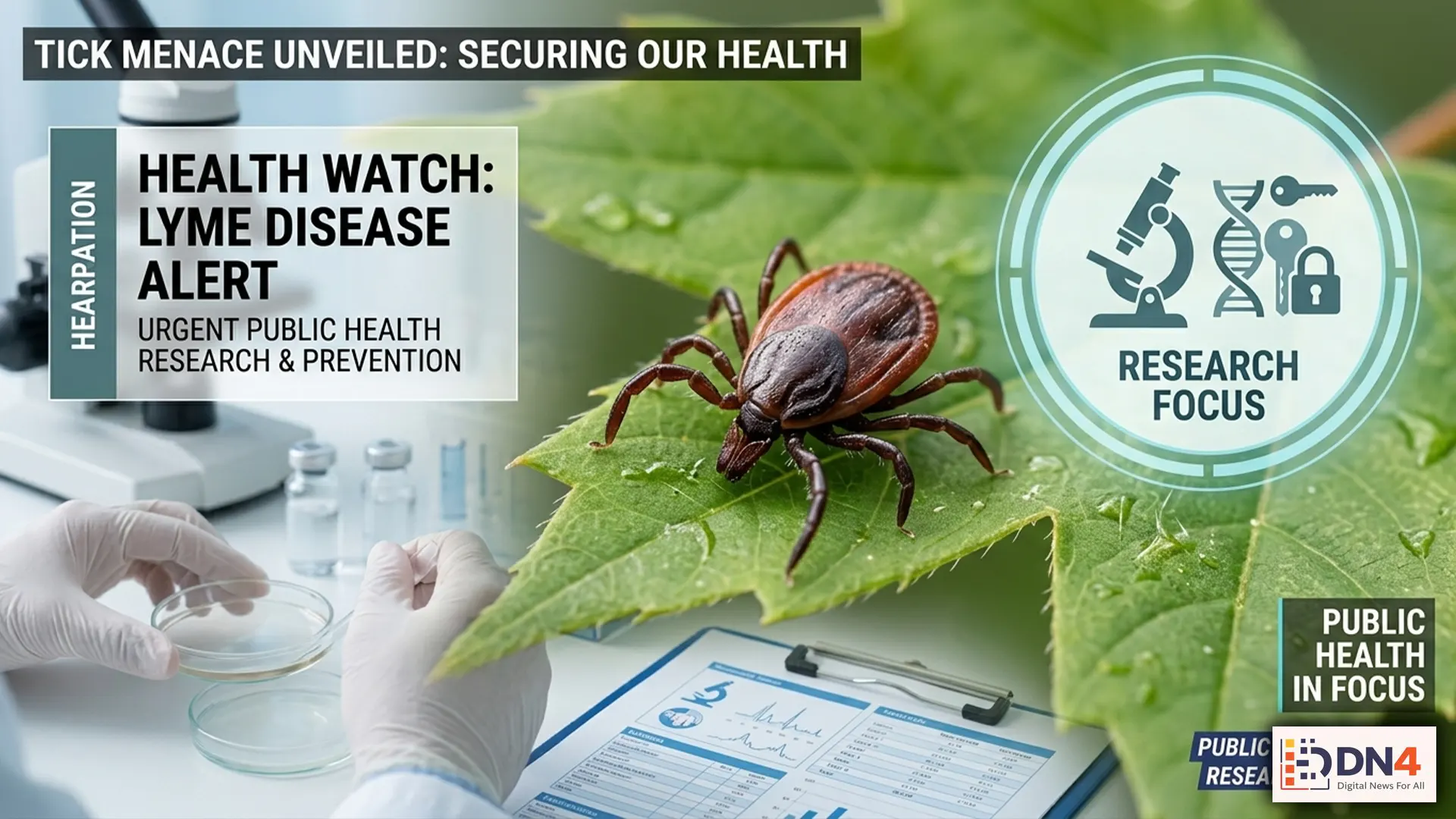
Health experts are increasing awareness about tick-borne illnesses as new discussions around Powassan virus highlight the importance of prevention, early recognition and outdoor safety. Although Powassan remains rare, researchers and public health officials continue monitoring cases because the virus can cause serious neurological complications in some individuals.
The growing attention around tick-borne diseases comes as more people spend time outdoors during warmer months, increasing opportunities for contact with ticks in wooded areas, parks and grassy environments.
What Is Powassan Virus?
Powassan virus is a rare disease transmitted through the bite of infected ticks. Unlike some other tick-related illnesses, Powassan can develop quickly after a tick bite, making awareness and prevention especially important.
According to information from the Centers for Disease Control and Prevention (CDC), the virus can affect the nervous system and may lead to conditions such as inflammation of the brain or surrounding tissues.

Why Experts Are Watching Recent Findings
Scientists continue studying Powassan because understanding tick behaviour, geographic patterns and infection risks can help improve public health responses.
Research organisations such as the National Institutes of Health support ongoing studies into infectious diseases and emerging health threats.
While cases remain uncommon compared with other tick-borne infections, experts emphasize that prevention remains the best protection.
Symptoms People Should Know
Some people infected with Powassan virus may experience mild symptoms, while others can develop more serious illness.
- Fever and headache
- Vomiting or weakness
- Confusion or difficulty with coordination
- Neurological symptoms requiring medical attention
Anyone experiencing concerning symptoms after a tick bite should seek advice from a healthcare professional.
How to Reduce Tick Exposure
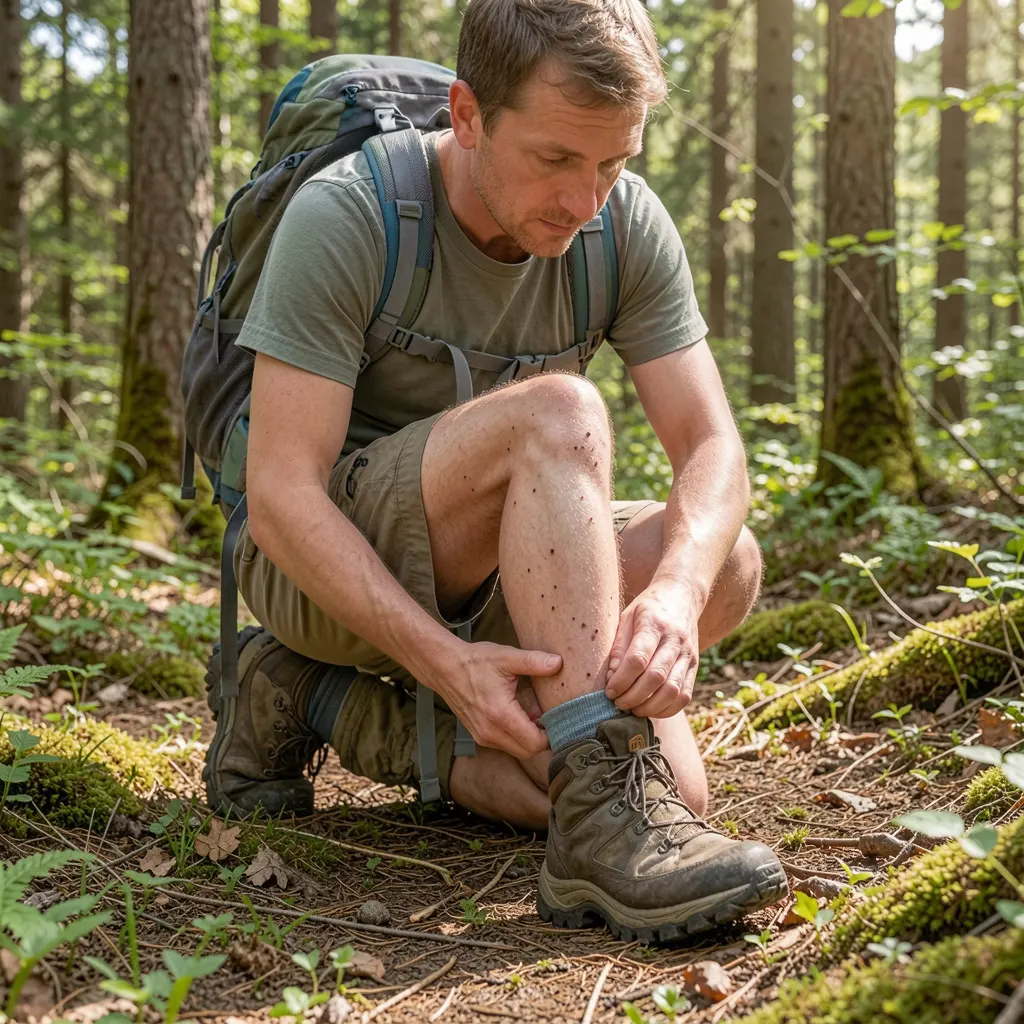
Preventing tick bites remains one of the most effective ways to lower the risk of tick-borne diseases.
- Use insect repellents recommended for outdoor activities
- Wear long sleeves and protective clothing in wooded areas
- Check skin and clothing after outdoor activities
- Remove ticks carefully and promptly
The Environmental Protection Agency’s insect repellent guidance provides information about choosing suitable products for outdoor protection.
Why Tick Awareness Matters
Climate patterns, changing wildlife behaviour and increased outdoor recreation have contributed to wider discussions about tick prevention across North America and other regions.
Health organisations including the World Health Organization continue promoting awareness of infectious disease prevention and community health protection.
Final Thoughts
Powassan virus remains a rare but important reminder that outdoor safety matters. Understanding tick risks, recognising symptoms and taking simple preventive steps can help individuals and families enjoy outdoor activities more safely.
#PowassanVirus #TickBorneDisease #HealthNews #TickSafety #PublicHealth #OutdoorSafety #DiseaseAwareness #WellnessTips