

For years, diet trends like keto, intermittent fasting, and low-carb eating have dominated the weight-loss conversation. But a new nutrition trend is gaining attention for a much simpler reason — it works without extreme restrictions.
Health experts are calling it Fibermaxxing, and the concept is surprisingly simple: eat significantly more fiber to support gut health and naturally control hunger.
Nutrition research from organizations like the Harvard School of Public Health shows that fiber plays a major role in digestion, metabolism, and long-term weight management.
What Is Fibermaxxing?
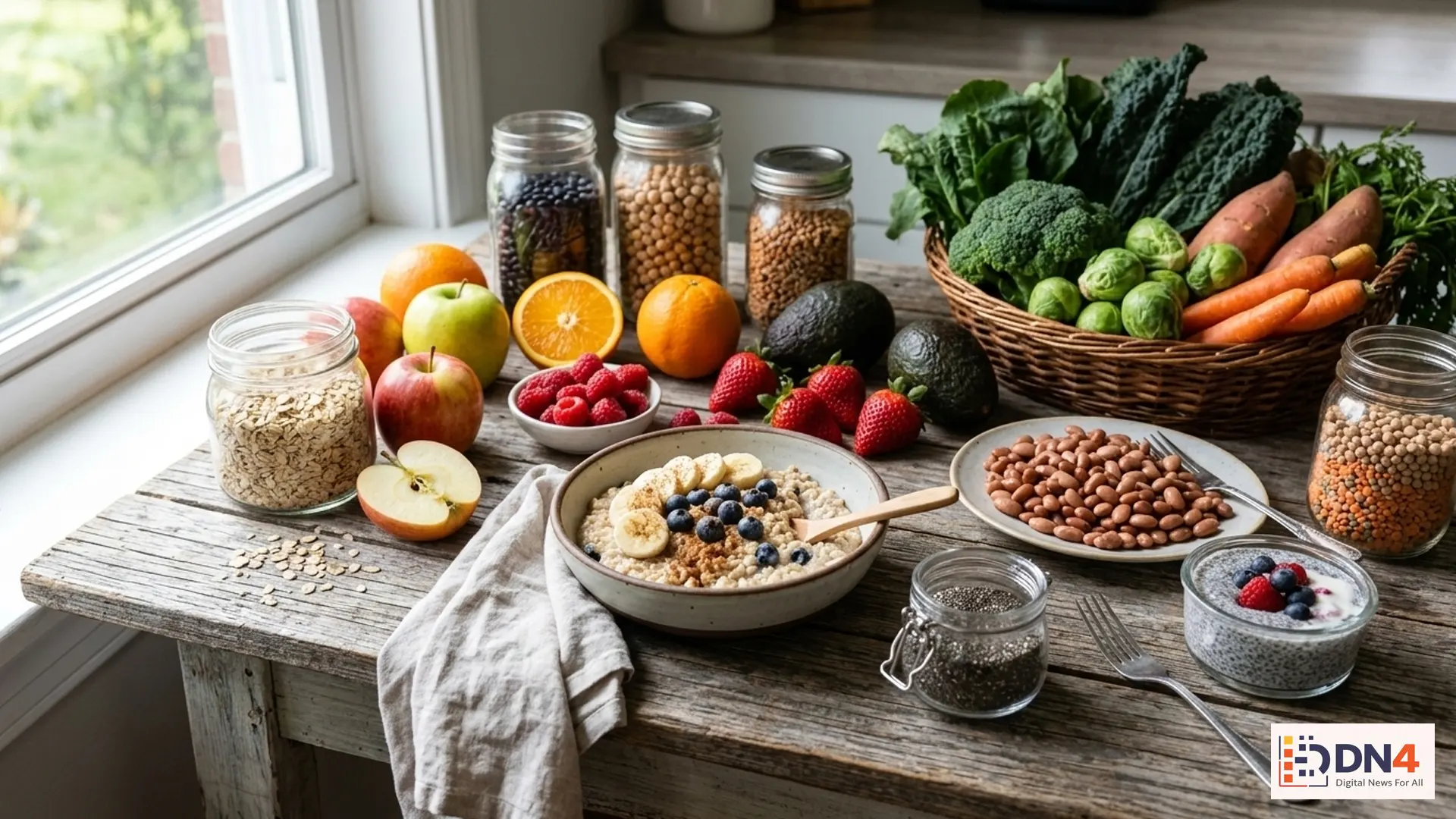
Fibermaxxing focuses on increasing daily fiber intake through whole foods such as vegetables, legumes, whole grains, and fruits.
Unlike restrictive diets, this approach encourages adding beneficial foods rather than eliminating them.
According to dietary recommendations from the Centers for Disease Control and Prevention, most adults consume far less fiber than the recommended daily amount.
Why Fiber Helps With Weight Loss
Fiber supports weight management through several mechanisms:
- Promotes fullness and reduces hunger
- Stabilizes blood sugar levels
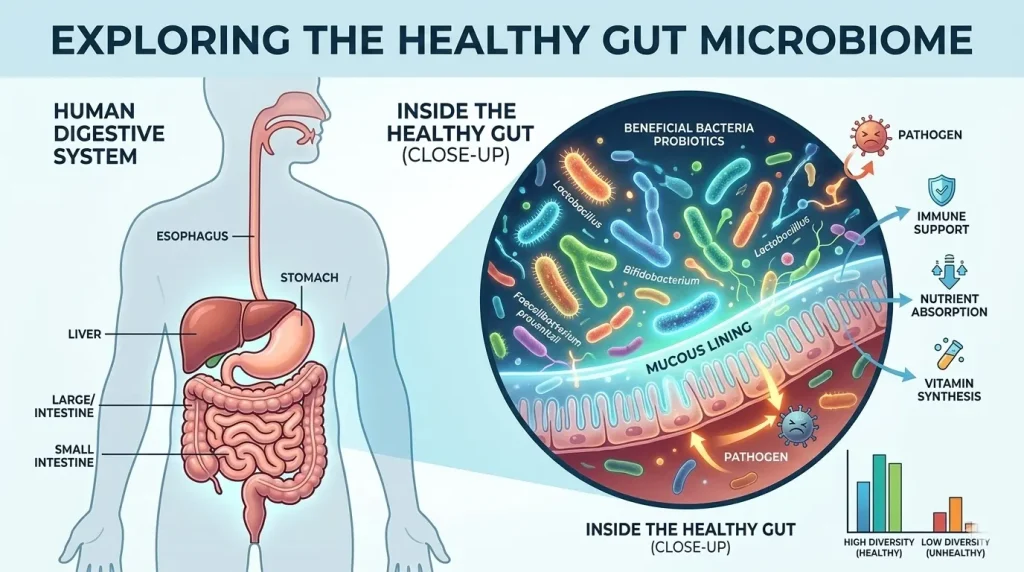
- Supports healthy gut bacteria
- Improves digestion
Studies published by the Nature research journal highlight how gut microbiome balance can influence metabolism and appetite.
The Gut Health Connection
Fiber acts as fuel for beneficial bacteria in the digestive system. When these bacteria break down fiber, they produce compounds that help regulate inflammation and metabolism.
Organizations like the World Health Organization have emphasized the importance of balanced diets rich in plant-based nutrients for long-term health.
Best Foods for Fibermaxxing
If you want to try this approach, start by increasing your intake of these high-fiber foods:
- Oats and whole grains
- Lentils and beans
- Chia seeds and flaxseeds
- Apples, berries, and pears
- Leafy green vegetables
Nutritionists also recommend gradually increasing fiber intake while drinking plenty of water to support digestion.
How Much Fiber Do You Need?
According to guidelines from the Academy of Nutrition and Dietetics, adults should aim for approximately:
- 25 grams of fiber per day for women
- 38 grams per day for men
However, many people consume less than half of these recommended amounts.
Is Fibermaxxing Better Than Keto?
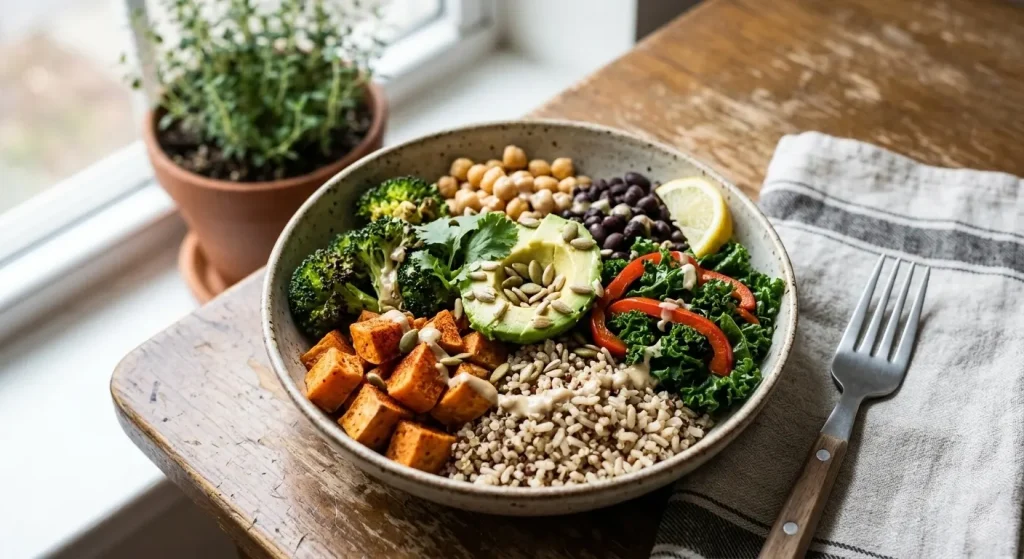
While keto diets focus on drastically reducing carbohydrates, Fibermaxxing emphasizes whole, nutrient-dense foods.
This approach may be easier for many people to maintain because it does not eliminate entire food groups.
Long-term studies consistently show that balanced diets rich in plants are associated with improved metabolic health and lower obesity risk.
Fibermaxxing may not sound as dramatic as some diet trends, but its simplicity is exactly what makes it effective.
By focusing on whole foods and gut health, this approach could help people lose weight naturally without extreme dieting or constant hunger.
#Fibermaxxing #GutHealth #WeightLossTips #HealthyDiet #NutritionScience #HealthTrends #WellnessLifestyle