

 By Vinod Ram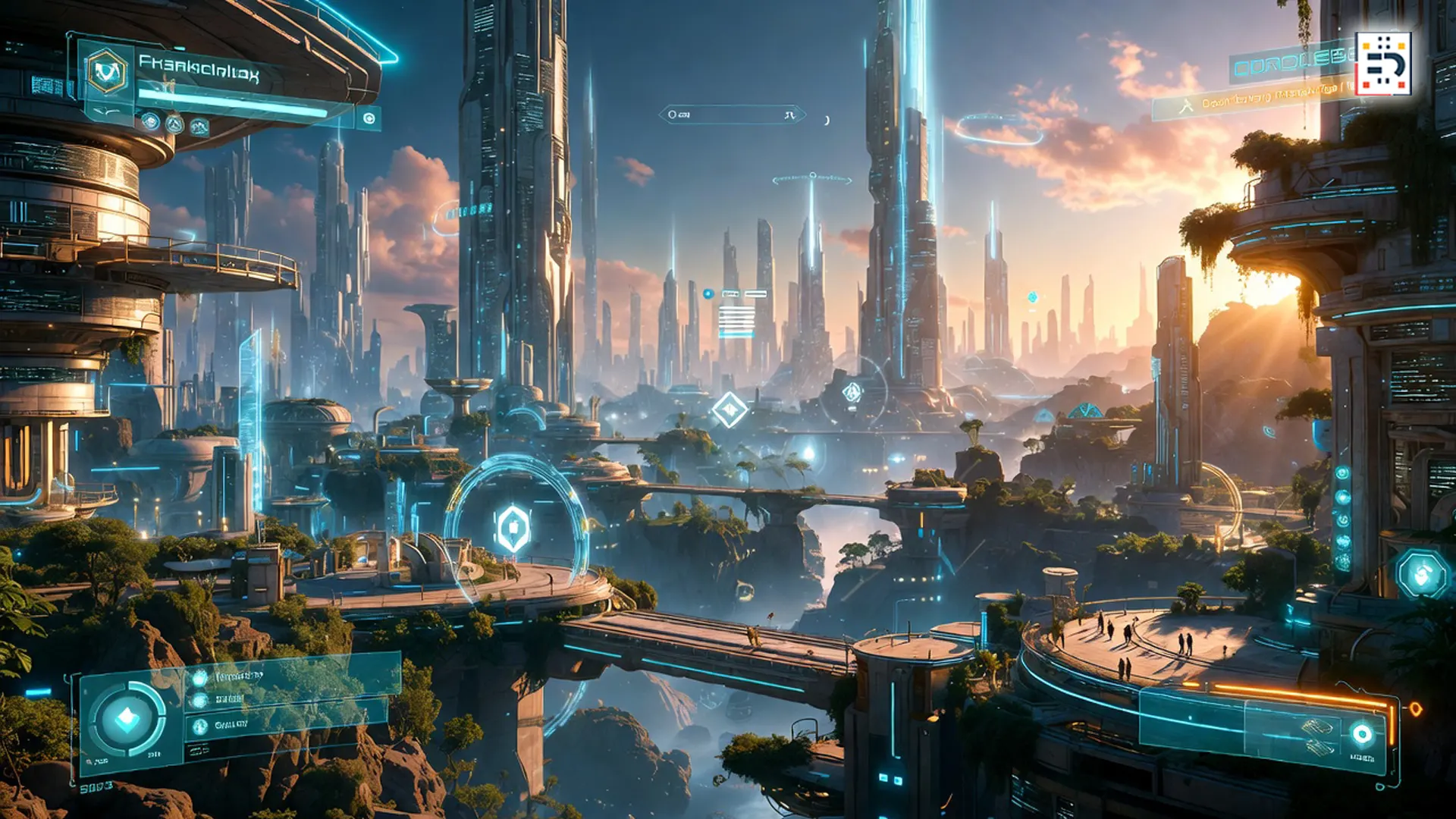
Procedural generation has exploded across gaming forums, Reddit threads, and developer conferences—and for good reason. Thanks to rapid advances in artificial intelligence, modern games are no longer limited to handcrafted storylines. Instead, AI-generated quests are creating infinite gameplay, tailored dynamically to how you play.
From GTA 6 updates hinting at living, reactive worlds, to the evolving Roblox economy, AI-driven systems are redefining what replayability truly means.
What Is Procedural Generation in Gaming?
Procedural generation refers to the use of algorithms—and increasingly AI models—to create game content automatically. This can include levels, maps, dialogue, quests, items, and even entire story arcs without manual design for each element.
Industry analysts note that procedural generation is now a core pillar of scalable game development, a trend widely documented in procedural generation design analysis across AAA and indie studios alike.
Earlier examples focused on randomness. Today’s AI-driven systems analyze player behavior, difficulty preferences, exploration habits, and decision-making patterns to generate content that feels handcrafted just for you.
How AI-Generated Quests Adapt to Your Playstyle
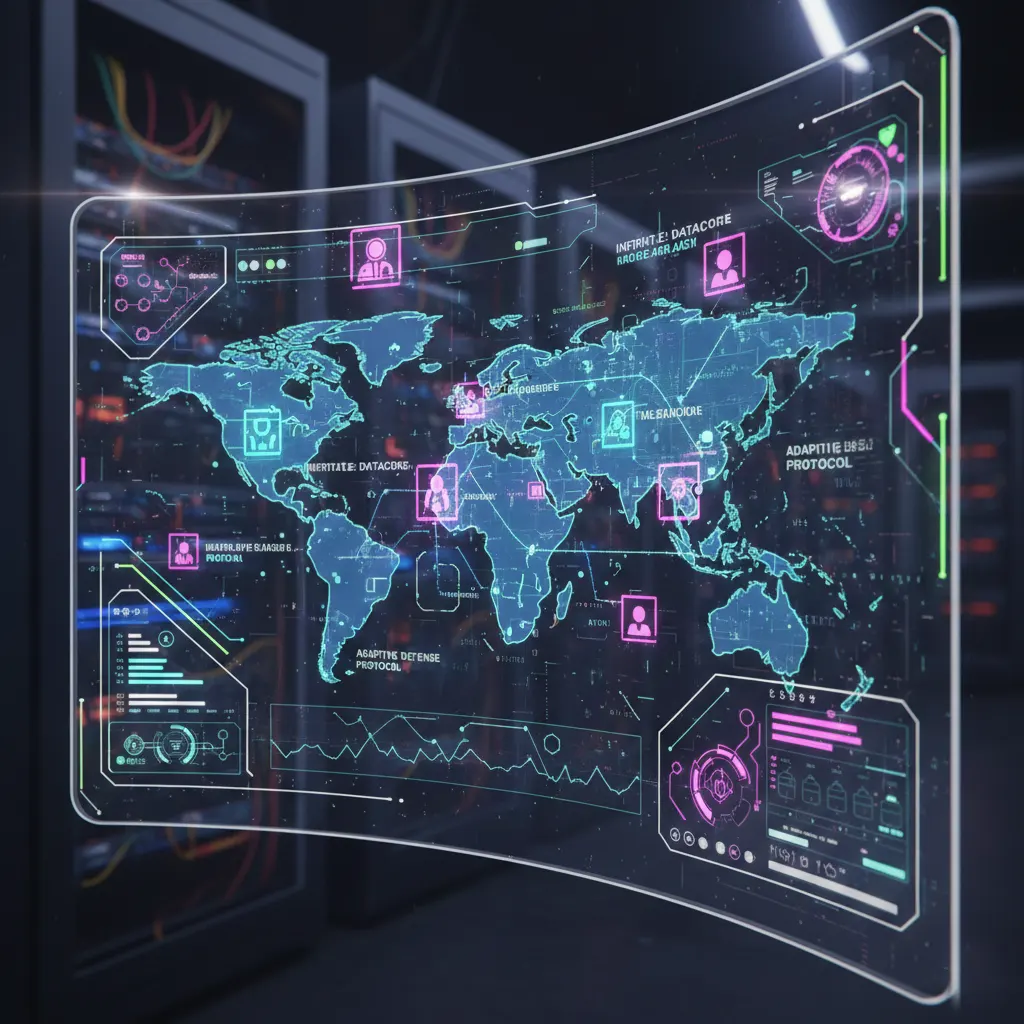
Modern AI doesn’t just generate content—it learns. By tracking how players interact with the game world, AI systems can customize missions in real time.
- Stealth-focused players receive infiltration-based objectives
- Combat-heavy players unlock high-risk, high-reward missions
- Explorers discover hidden lore quests and dynamic world events
This is the future hinted at in recent GTA 6 updates, where NPCs may remember your past actions and generate quests accordingly.
This shift is powered by advances in machine learning techniques such as reinforcement learning and large language models, which are already being explored by major studios and explained in depth by AI-generated quests research within modern game engines.
Roblox Economy: AI as a Creator and Market Maker
The Roblox economy is one of the most compelling real-world examples of AI-driven procedural systems. Developers are increasingly using AI to generate mini-games, quests, and items that adapt to player demand.
AI-generated content reduces development time while increasing engagement—fueling a creator economy worth billions. According to Roblox’s official reports, adaptive content directly correlates with higher retention and in-game spending.
Retro Gaming Consoles 2026: AI Meets Nostalgia
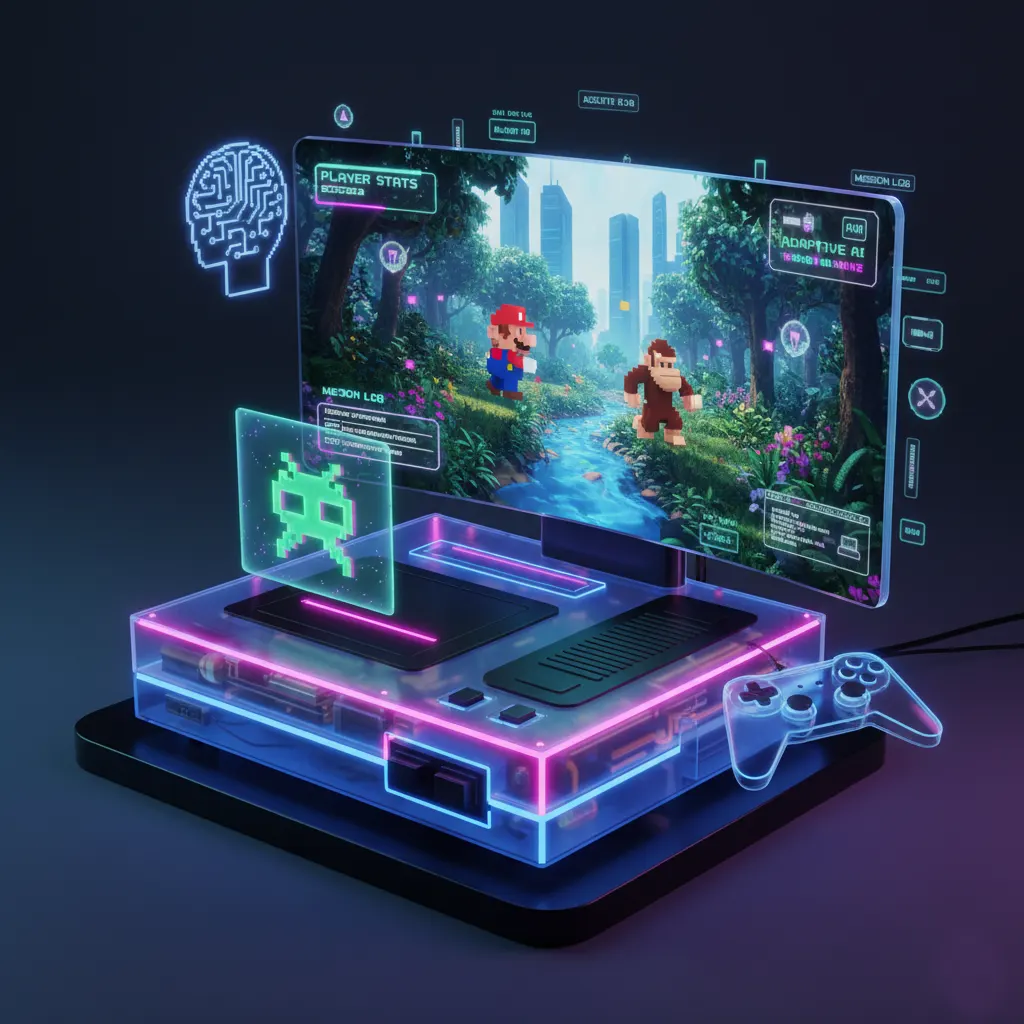
Surprisingly, AI isn’t just shaping the future—it’s also reinventing the past. Analysts predict that retro gaming consoles 2026 will feature AI-generated levels for classic franchises.
Imagine playing a beloved 90s platformer where levels are endlessly generated, yet still feel authentic to the original design philosophy. This fusion of nostalgia and AI could define the next wave of retro gaming hardware.
Why Infinite Gameplay Is a Game-Changer for the Industry
AI-generated quests solve one of gaming’s oldest problems: content exhaustion. Instead of finishing a game and moving on, players remain engaged for months—or even years.
For developers, this means:
- Lower long-term content production costs
- Higher player retention and monetization
- Games that evolve alongside their communities
What This Means for Players in 2026 and Beyond
As AI models become more sophisticated, games will feel less like static products and more like living worlds that grow with you. Whether it’s sandbox crime epics, user-generated platforms, or revived classics, infinite gameplay is quickly becoming the new standard.
The hottest topic in gaming forums today won’t fade—it’s shaping the entire next generation of interactive entertainment.
AI-generated quests aren’t just a technical upgrade—they represent a fundamental shift in how games are designed, played, and monetized. As procedural generation evolves, one thing is clear: no two players will ever experience the same game again.
#AIinGaming #ProceduralGeneration #GTA6Updates #RobloxEconomy #InfiniteGameplay #GameDevelopment #RetroGaming2026 #FutureOfGames