

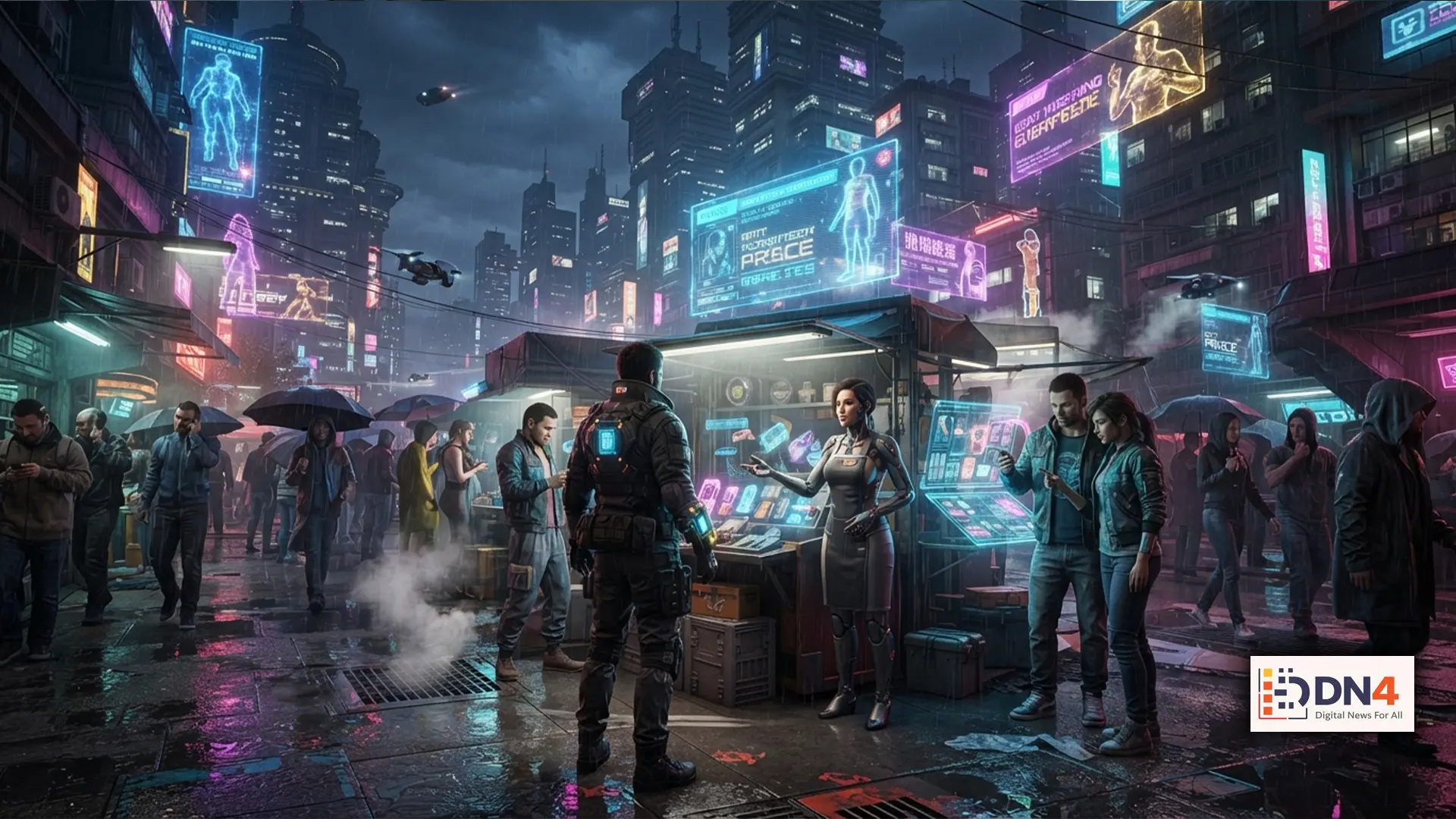
Open-world video games have long relied on non-player characters (NPCs) to bring virtual worlds to life. Traditionally, these characters followed scripted routines with limited interactions. Today, advances in artificial intelligence are transforming NPCs into autonomous digital agents capable of making decisions, adapting to player actions, and creating more immersive gaming experiences.
What Are Autonomous NPCs?
Autonomous NPCs use advanced AI techniques, including machine learning, large language models, and behavior simulation, to respond dynamically instead of relying solely on pre-programmed scripts. This allows game characters to remember previous interactions, react to changing environments, and develop unique personalities over time.
Major technology companies including NVIDIA, Unity, and Unreal Engine are actively investing in AI-powered tools that help developers build more intelligent game worlds.
Why This Changes Open-World Gaming
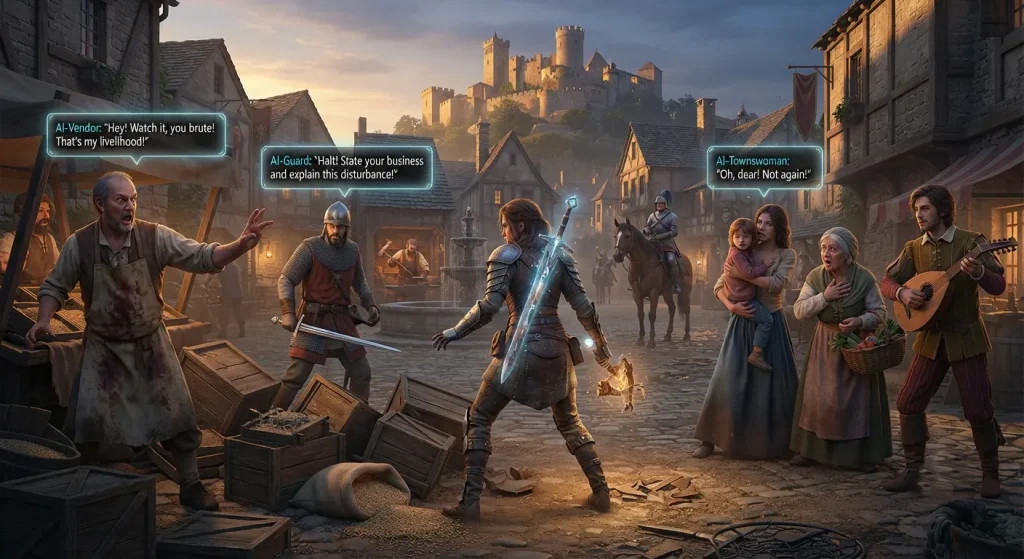
Instead of repeating identical dialogue or following predictable routines, AI-driven NPCs can generate unique conversations, form relationships with players, respond to world events, and adapt their decisions based on previous gameplay.
This creates worlds that feel more alive, where every player’s journey can become significantly different from another’s.
Benefits for Players
- More realistic conversations with game characters.
- Dynamic quests that evolve naturally.
- Living cities where NPCs react to player choices.
- Greater replay value through unique AI-driven experiences.
Challenges Developers Must Solve
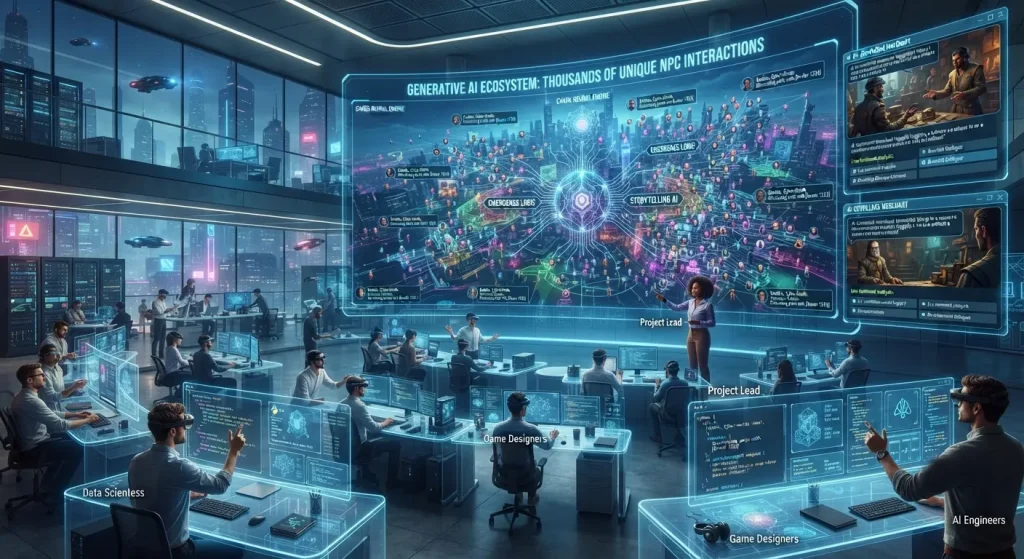
While autonomous NPCs offer exciting possibilities, they also introduce technical challenges. Developers must balance AI performance with hardware limitations, maintain narrative consistency, and ensure generated content remains appropriate and engaging.
Industry research from organizations such as the Stanford AI Index highlights the rapid advancement of generative AI, while the International Game Developers Association (IGDA) continues exploring AI’s role in game development.
The Future of Gaming AI
As computing power increases and AI models become more efficient, future open-world games may feature thousands of autonomous NPCs. These NPCs could create their own routines, economies, alliances, and storylines without scripted events.
This evolution could redefine player immersion, making every game session feel like a truly living world rather than a carefully scripted experience.
For more information on AI research and gaming technology, readers can explore resources from NVIDIA, Unity, Unreal Engine, Stanford AI Index, IGDA, and OpenAI.
#AINPCs #GamingAI #OpenWorldGames #GameDevelopment #ArtificialIntelligence #GamingNews #UnrealEngine #Unity3D #NextGenGaming