

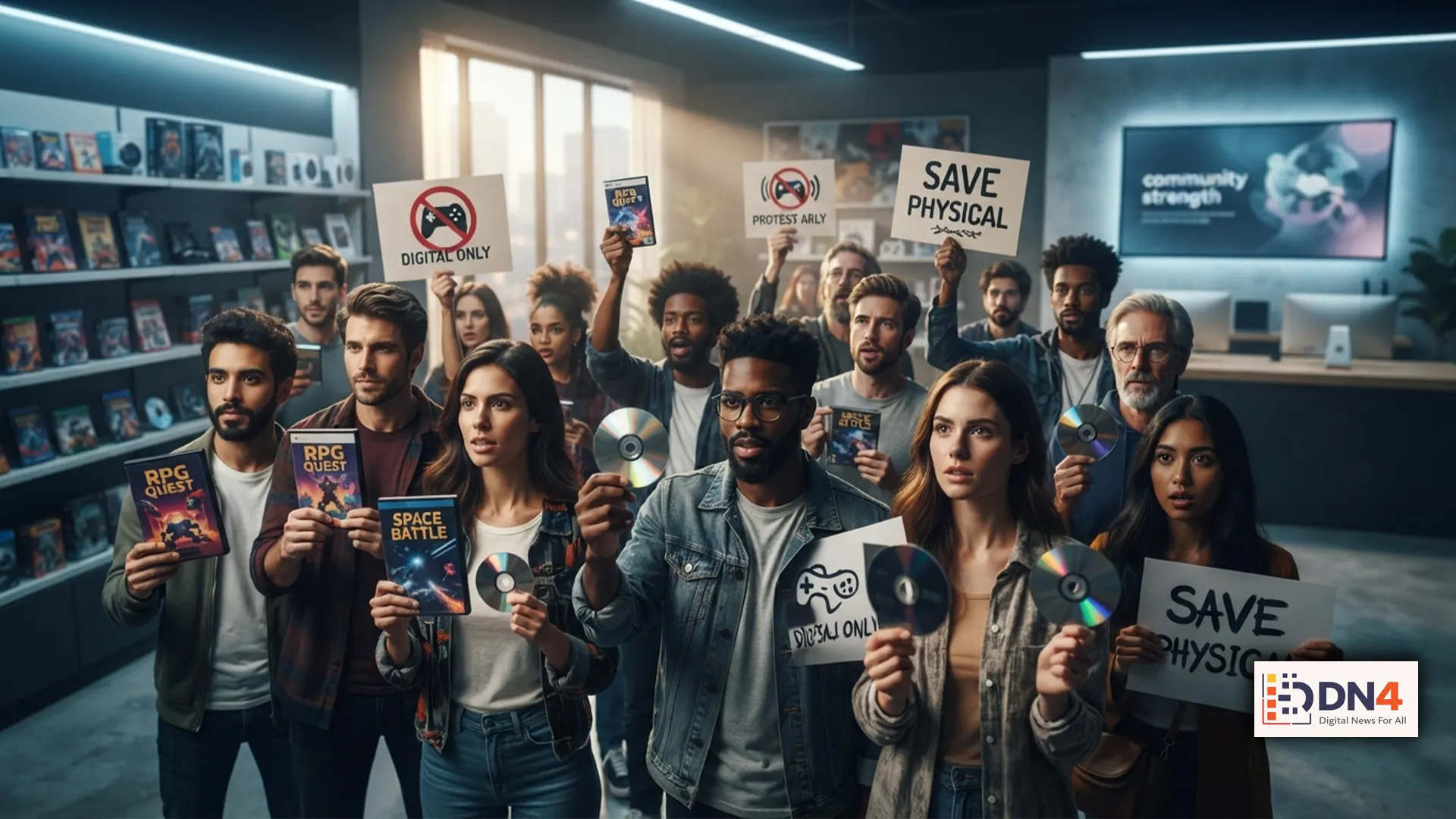
The gaming industry is steadily moving toward digital downloads, subscriptions and cloud-based libraries. For publishers and platform companies, the model offers convenience and reduces manufacturing costs. But a growing group of gamers argues that the shift creates a fundamental problem: buying a game digitally does not always provide the same sense of ownership as buying a physical copy.
Convenience Versus Ownership
Digital games are undeniably convenient. Players can download titles immediately, avoid storing discs and access large libraries without leaving home. Services such as Xbox Game Pass have also made subscription-based access a major part of modern gaming.
However, digital licenses can come with restrictions. Platform accounts, online authentication, regional availability and publisher decisions can affect how a purchased game is accessed. Federal Trade Commission guidance illustrates the broader importance of clearly communicating digital purchase terms to consumers.
Why Physical Discs Still Matter
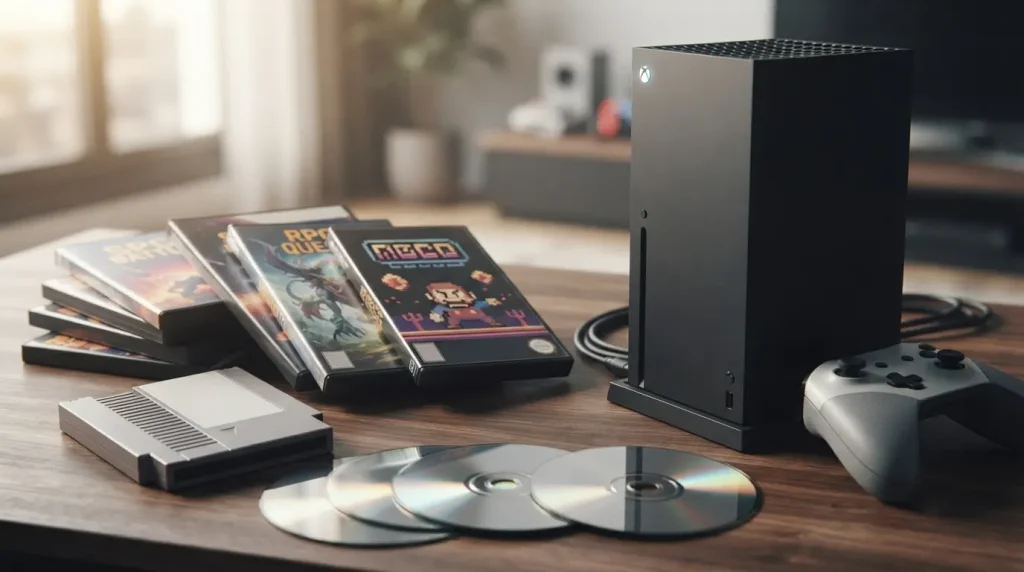
For many players, a physical game represents something more tangible than a download. A disc or cartridge can be collected, resold, loaned to another person and displayed. Depending on the game and platform, physical media can also provide an important layer of offline access.
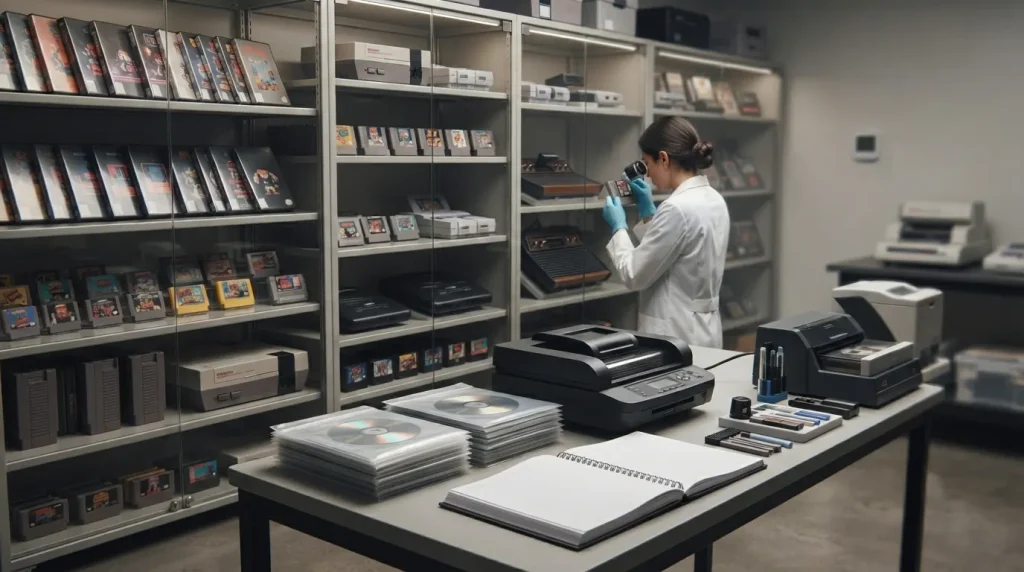
More importantly, physical copies contribute to game preservation. Organizations such as the History of Computing and Game Development and the Library of Congress demonstrate why preserving digital culture is increasingly important.
The Preservation Problem
Modern games complicate the traditional idea of ownership. Many physical releases still require large downloads, patches or online services. If servers eventually disappear, portions of a game may become inaccessible even when players still possess the original disc.
The Game Developers Conference has highlighted the industry’s continuing evolution in technology and development practices, while preservation organizations continue to document older software and hardware before they become difficult to access.
Why Gamers Are Pushing Back
Protests and consumer campaigns around physical media reflect a larger concern than nostalgia. Gamers want clearer ownership rights, long-term access and greater transparency about what they are actually purchasing.
The debate is unlikely to end with a simple victory for discs or downloads. Digital distribution is efficient and convenient, while physical media provides collectability, resale possibilities and an additional preservation pathway.
The future of gaming may therefore depend on finding a balance: embracing digital convenience without completely eliminating the physical products that help players maintain access to the games they paid for.
#PhysicalMedia #Gaming #VideoGames #GamePreservation #PhysicalGames #DigitalGaming #GamingCommunity #Gamers #ConsoleGaming #GameCollectors #RetroGaming #GamingNews #DigitalOwnership