

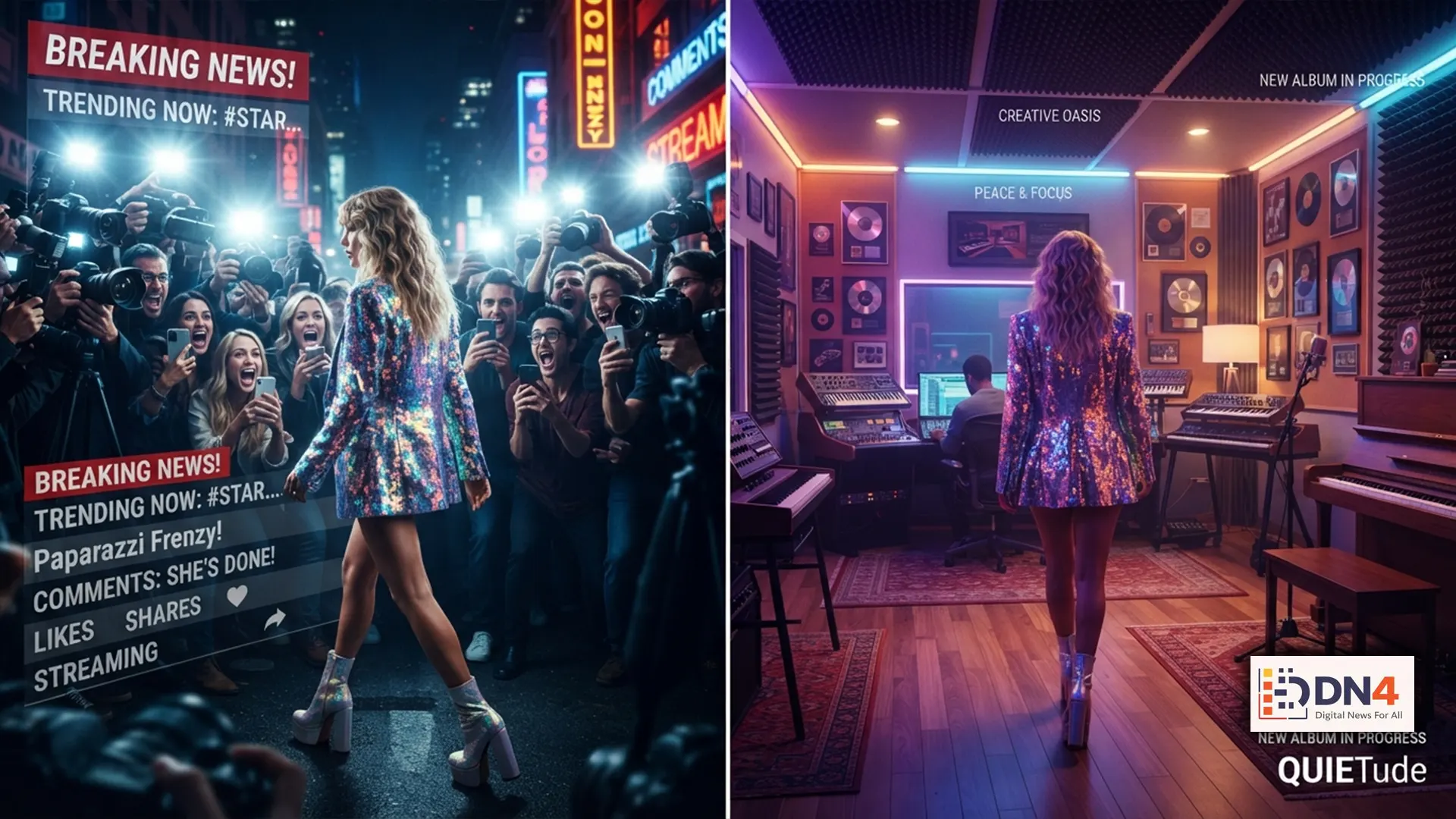
For more than a decade, the music industry rewarded artists who were constantly visible. Daily social media posts, livestreams, behind-the-scenes videos, and endless interviews became essential parts of promoting albums and building loyal fan communities. In 2026, however, a noticeable shift is reshaping pop culture. Many of today’s biggest music stars are embracing selective public appearances, fewer online updates, and stronger personal boundaries, suggesting that privacy has become one of the industry’s most valuable assets.
The End of the Always-Online Era
Social media transformed how artists connected with fans, but it also created unprecedented expectations. Every post could become headline news, while every silence sparked speculation. Research from the Pew Research Center continues to examine how digital platforms shape public behavior and online engagement, highlighting the growing complexity of maintaining a constant online presence.
Rather than sharing every aspect of their lives, many artists now prioritize carefully planned appearances around album releases, tours, and major events. This approach allows musicians to maintain creative focus while reducing the pressures of nonstop public visibility.
Music Success No Longer Depends on Constant Promotion
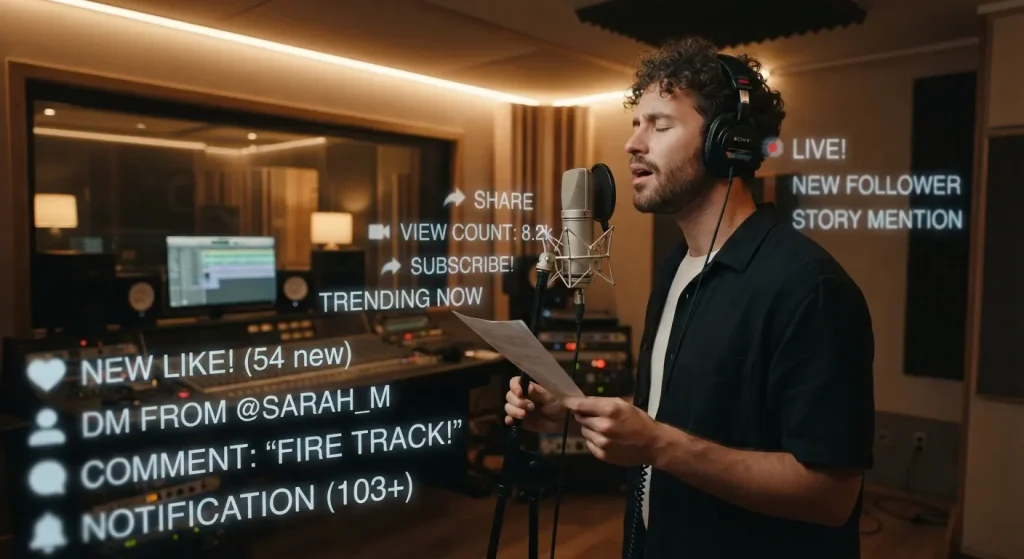
The streaming era has fundamentally changed music marketing. Platforms such as Spotify, Apple Music, YouTube, and TikTok can propel songs to global audiences regardless of how frequently an artist posts on social media. Industry insights published by the International Federation of the Phonographic Industry (IFPI) show that streaming continues to dominate music consumption worldwide, shifting attention toward the quality and discoverability of content rather than the volume of personal updates.
Meanwhile, data from the Recording Industry Association of America (RIAA) demonstrates the continued growth of streaming revenue, reinforcing how digital distribution has transformed the relationship between artists and audiences.
Protecting Creativity and Mental Well-Being
The emotional demands of constant public attention have become an increasingly discussed topic across the entertainment industry. Mental health organizations, including the National Alliance on Mental Illness (NAMI), encourage healthy digital boundaries and emphasize the importance of balancing public engagement with personal well-being.
For many artists, reducing online exposure isn’t about becoming less connected with fans—it’s about protecting creativity, avoiding burnout, and creating space for authentic artistic expression.
A New Model for Celebrity Branding
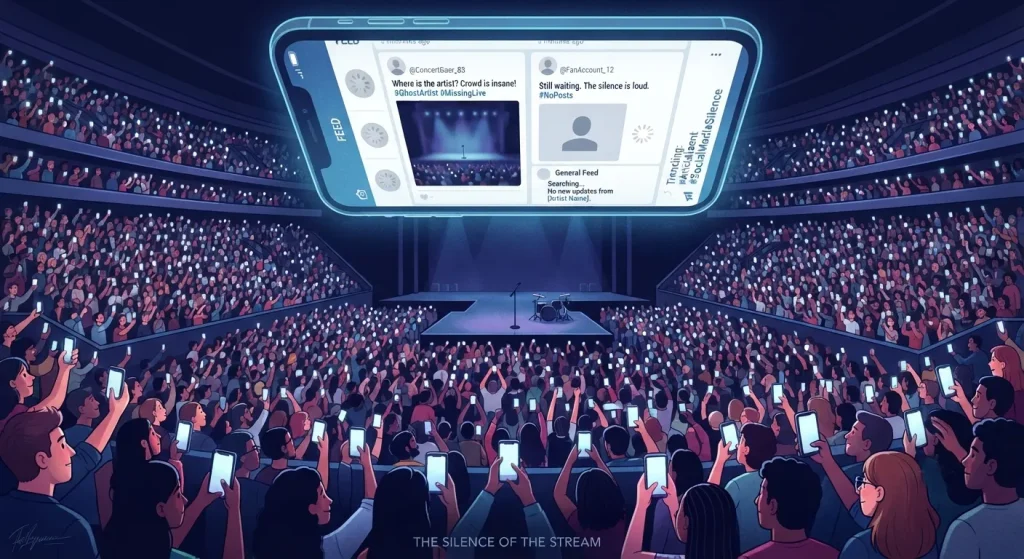
Modern audiences increasingly value authenticity over constant accessibility. Communications experts from the Public Relations Society of America (PRSA) note that credibility is built through meaningful communication rather than sheer frequency. Strategic appearances, exclusive interviews, and carefully curated storytelling often generate greater impact than continuous posting.
As the entertainment business evolves, insights from the World Economic Forum continue to explore how digital technologies are reshaping work, creativity, and public life across industries.
The Future of Pop Stardom
In 2026, the definition of celebrity success is changing. Rather than chasing visibility at every opportunity, many artists appear to be prioritizing sustainable careers, creative freedom, and healthier relationships with both fans and technology. Privacy is no longer viewed as a retreat from fame—it has become a strategic part of building a lasting global brand in an age where attention is abundant but authenticity remains rare.
#PopMusic #MusicIndustry #CelebrityCulture #EntertainmentNews #DigitalMarketing #ArtistBranding #SocialMedia #PopStars #MusicBusiness