

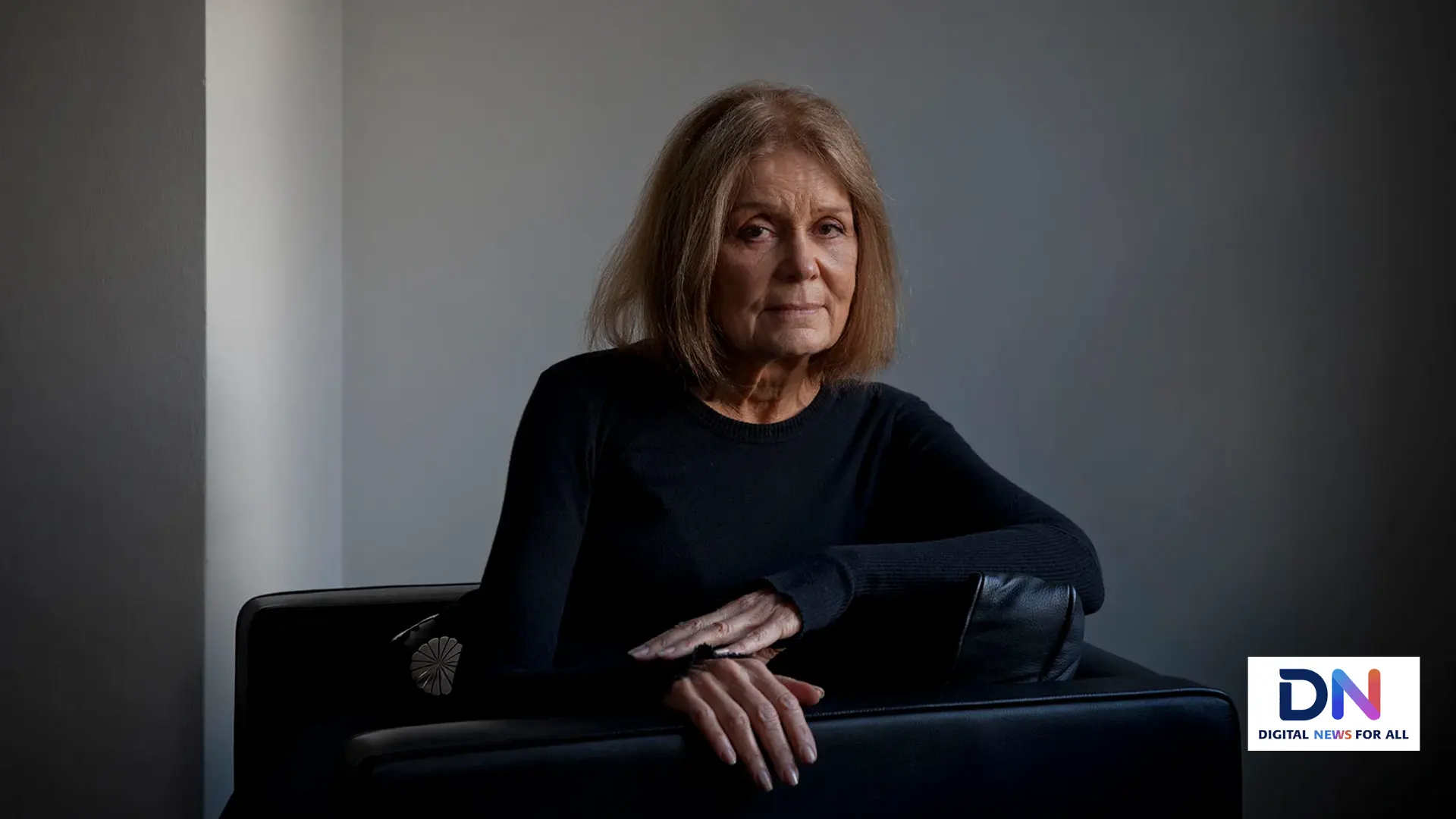
Gloria Steinem remains one of the most recognizable figures in the history of modern American feminism. A journalist, author, political activist, and organizer, Steinem helped transform conversations about gender equality and gave the women’s movement a powerful voice in American media and politics.
From Journalism to Feminist Activism
Born in Toledo, Ohio, in 1934, Steinem began her career as a journalist at a time when women were frequently confined to lifestyle and “women’s pages” rather than serious political reporting. Her determination to challenge those limitations became a defining part of her career.
Her 1963 undercover investigation of working conditions at the Playboy Club brought national attention to workplace sexism and low wages. The experience also demonstrated how journalism could expose inequalities that were often ignored by mainstream institutions. The National Women’s History Museum documents how the assignment became an important chapter in her rise as a public feminist figure.
The Birth of Ms. Magazine
One of Steinem’s most influential achievements was helping create Ms. magazine. Its preview issue appeared in 1971, challenging traditional women’s magazines by addressing subjects such as reproductive rights, workplace discrimination, politics, and gender expectations.

Ms. became more than a publication. It created a platform where women could discuss issues that mainstream media frequently overlooked. The Smithsonian notes that the magazine deliberately challenged the era’s conventional ideas about what women’s publications should cover.
Building a Broader Women’s Movement
Steinem’s activism extended beyond journalism. In 1972, she joined Betty Friedan, Bella Abzug, Shirley Chisholm, and other activists in founding the National Women’s Political Caucus, an organization focused on increasing women’s political participation and representation.
Over the decades, she also helped establish organizations including the Ms. Foundation for Women and the Women’s Media Center. Her work connected media representation with political participation, workplace equality, reproductive rights, and broader social justice concerns.

Why Her Legacy Still Matters
Steinem’s influence extends well beyond the second-wave feminist movement. Her career helped demonstrate the power of combining journalism, grassroots organizing, political advocacy, and storytelling.
Her official biography highlights her continuing work as a writer, lecturer, political activist, and feminist organizer, as well as honors including the Presidential Medal of Freedom, awarded by President Barack Obama in 2013. Steinem’s official biography also documents her continuing involvement with feminist organizations and international equality initiatives.
A Legacy That Continues to Evolve
Modern feminism encompasses a broad range of issues and perspectives, but many of its central conversations about equality, representation, reproductive autonomy, workplace rights, and political participation have roots in movements Steinem helped bring into the mainstream.
Remembering Gloria Steinem is therefore not simply about looking back at one influential activist. It is about understanding how journalism and organized activism can change public conversations—and how those conversations can continue evolving for future generations.
#GloriaSteinem #Feminism #WomensRights #GenderEquality #MsMagazine #AmericanHistory #WomenInHistory #SocialChange #Journalism #FeministHistory