

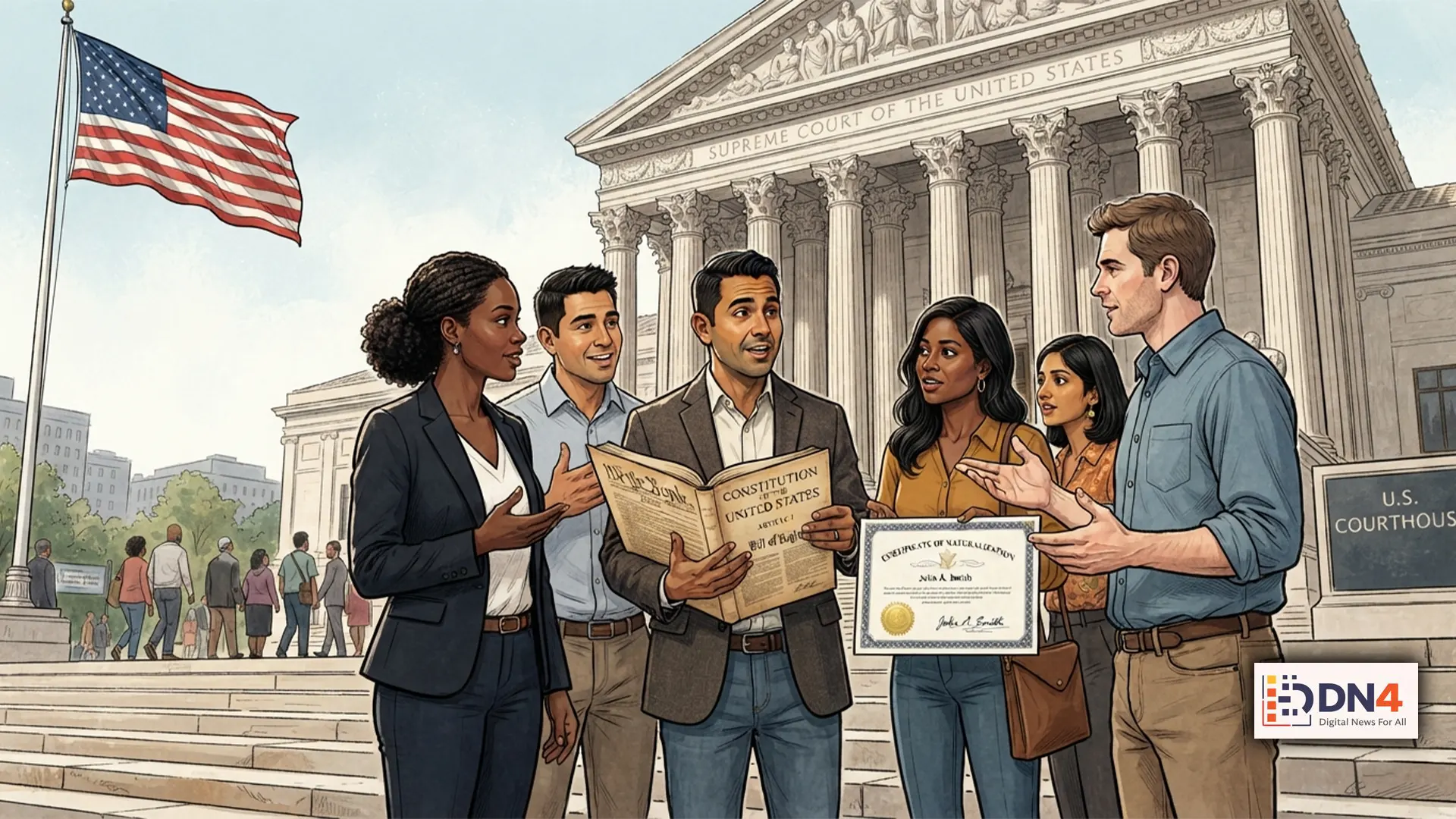
Birthright citizenship remains one of the most debated issues in modern legal and political discussions. In 2026, questions surrounding who automatically receives citizenship at birth continue generating debate among lawmakers, legal experts, advocacy groups, and communities across the United States.
The discussion involves complex questions about constitutional interpretation, immigration policy, national identity, and the balance between longstanding legal principles and changing political priorities.
What Is Birthright Citizenship?
Birthright citizenship generally refers to the principle that a person receives citizenship automatically because they are born within a country’s territory, regardless of their parents’ citizenship status.
In the United States, this principle is closely associated with the 14th Amendment, which established citizenship protections following the Civil War era.
The U.S. Constitution Annotated provides information about constitutional interpretation, including historical discussions related to citizenship rights.
Why the Issue Remains Controversial
The debate over birthright citizenship reflects broader disagreements about immigration, national borders, and public policy.
Supporters argue that birthright citizenship provides a clear and consistent legal standard while preventing generations of people from being excluded from citizenship status.
Opponents argue that the policy should be reconsidered due to concerns about immigration incentives, government responsibilities, and changing migration patterns.

The Constitutional Debate
Legal discussions often focus on the meaning and interpretation of constitutional citizenship protections. Courts have historically played a major role in defining how citizenship laws apply.
The Supreme Court of the United States has addressed numerous cases involving constitutional rights, immigration, and government authority.
Because constitutional issues can have long-term effects, changes to citizenship policy often involve significant legal review.
Immigration Policy and Public Opinion
Birthright citizenship is connected to larger immigration debates involving border management, legal immigration systems, and national security concerns.
Public opinion on immigration policies varies widely, influenced by economic conditions, political perspectives, personal experiences, and social priorities.
Organizations such as the Pew Research Center regularly study public attitudes toward immigration and policy issues in the United States.
The Global Perspective on Citizenship Laws
Countries around the world use different approaches to citizenship. Some nations primarily follow citizenship based on parentage, while others provide citizenship based on birthplace or a combination of factors.
International migration trends have encouraged many governments to examine how citizenship systems respond to modern challenges.
The United Nations Population Division provides research on global migration patterns and demographic changes.
Possible Future Developments
The future of birthright citizenship will likely continue being shaped by court decisions, legislative discussions, and public debate.
Any major changes would require careful consideration of constitutional principles, legal precedents, and the practical effects on individuals and communities.

Why the Debate Matters
Beyond politics, the birthright citizenship debate raises fundamental questions about belonging, identity, and the relationship between individuals and the state.
As societies continue experiencing demographic changes, citizenship laws remain an important part of discussions about the future of nations.
Birthright citizenship remains a significant legal and policy issue in 2026 because it connects constitutional interpretation with broader questions about immigration and national identity.
While opinions differ, the ongoing debate demonstrates the importance of understanding the legal foundations and societal impacts behind citizenship policies.
Legal Disclaimer: This article is for informational purposes only and does not constitute legal advice. Laws and interpretations may change, and readers should consult qualified legal professionals for specific situations.
#BirthrightCitizenship #ImmigrationPolicy #LegalNews #ConstitutionalLaw #USPolitics #PolicyDebate #CitizenshipRights #LawAndSociety #GlobalNews