

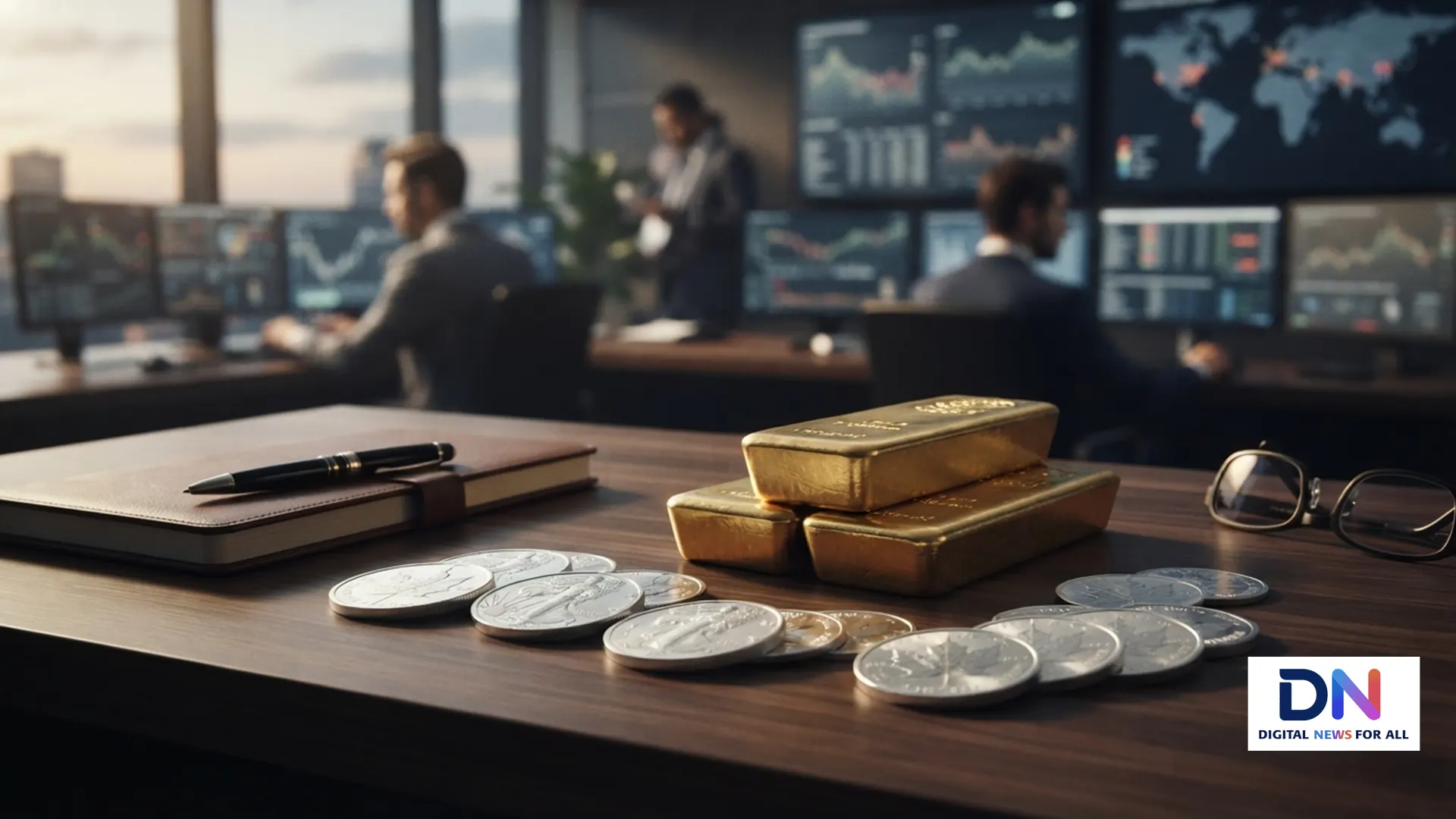
Gold and silver prices have captured investors’ attention in 2026. Gold has traded at extraordinary levels, while silver has also experienced a powerful rally. Geopolitical tensions, inflation concerns and changing Federal Reserve expectations are helping drive precious metals higher.
But a rising price does not automatically mean it is the right time to buy. For everyday Americans, the bigger question is whether precious metals belong in a diversified portfolio.
Why Are Gold and Silver So Expensive?
Gold often attracts investors when markets become uncertain. It does not depend on corporate earnings or pay a dividend. Instead, investors often use it as a potential store of value during periods of financial or geopolitical stress.
That dynamic has been especially visible in 2026. Gold recently traded around $4,400 per ounce as tensions in the Middle East increased and markets reassessed inflation and Federal Reserve policy. Reuters reported that gold gained 1.5% to about $4,417 on September 9.
Silver has a different story. It is both an investment metal and an industrial commodity. Demand from electronics, solar technology and other industrial applications can influence its price.

Does a Higher Price Mean You Should Buy?
Not necessarily.
Buying an asset simply because its price is rising can create a dangerous investment habit. Markets can reverse quickly, especially when expectations change.
Gold can fall when interest rates and Treasury yields rise. Higher-yielding assets become more attractive compared with an asset that does not generate interest. Recent market moves have demonstrated this relationship.
The Federal Reserve remains particularly important for precious-metals investors.
How Can Ordinary Americans Invest?
Investors have several choices.
- Physical gold: Coins and bars provide direct ownership but involve storage and insurance considerations.
- Gold ETFs: Exchange-traded funds can provide exposure without storing physical metal.
- Silver ETFs: These can provide exposure to silver prices through a brokerage account.
- Mining stocks: Mining companies can rise when metals prices increase, but they also carry business and operational risks.
The SEC’s Investor.gov offers guidance on diversification, risk and investment products.
What About Inflation?
Gold is often described as an inflation hedge. However, investors should not assume that gold always rises whenever consumer prices increase.
Its performance depends on several factors, including interest rates, currency movements, investor demand and global economic conditions.
The Bureau of Labor Statistics Consumer Price Index is one useful measure for tracking U.S. inflation.
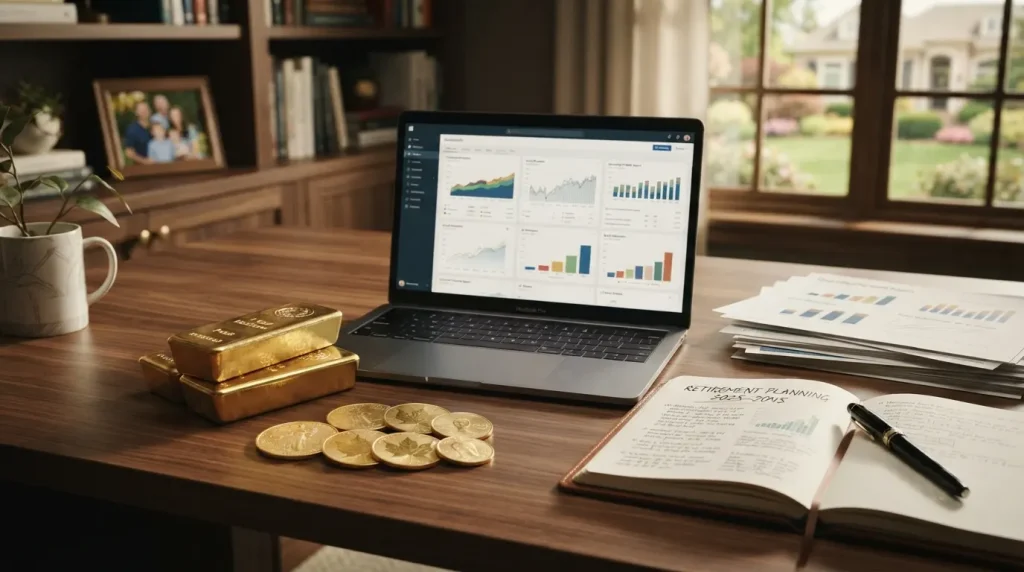
Should You Put Your Savings Into Precious Metals?
For most households, precious metals should be viewed as one potential component of a diversified strategy rather than a replacement for stocks, bonds or cash savings.
Before buying, investors should consider emergency savings, high-interest debt, retirement contributions and their ability to tolerate losses.
The FINRA investor education resources explain risks associated with commodities and alternative investments.
Investors considering physical metals should also research dealer premiums, storage costs, buyback policies and authenticity. The CFTC’s precious-metals guidance warns consumers to understand fees and potential risks before purchasing.
Today’s elevated gold and silver prices reflect a complicated mix of geopolitical uncertainty, inflation concerns, monetary policy and investment demand.
That makes precious metals worth watching. It does not make them a guaranteed investment.
For everyday Americans, diversification may be more important than trying to predict the next record high. If precious metals fit your financial goals, a measured allocation may make more sense than chasing a dramatic price surge.
Important: This article is for general information and is not personalized investment advice. Precious metals can lose value, and past performance does not guarantee future results.
Reuters Commodities, Federal Reserve, SEC Investor.gov, Bureau of Labor Statistics, FINRA, and CFTC.
#GoldPrices #SilverPrices #GoldInvesting #SilverInvesting #PreciousMetals #Investing #PersonalFinance #Inflation #FederalReserve #WealthBuilding #USMarkets