

 By Vinod Ram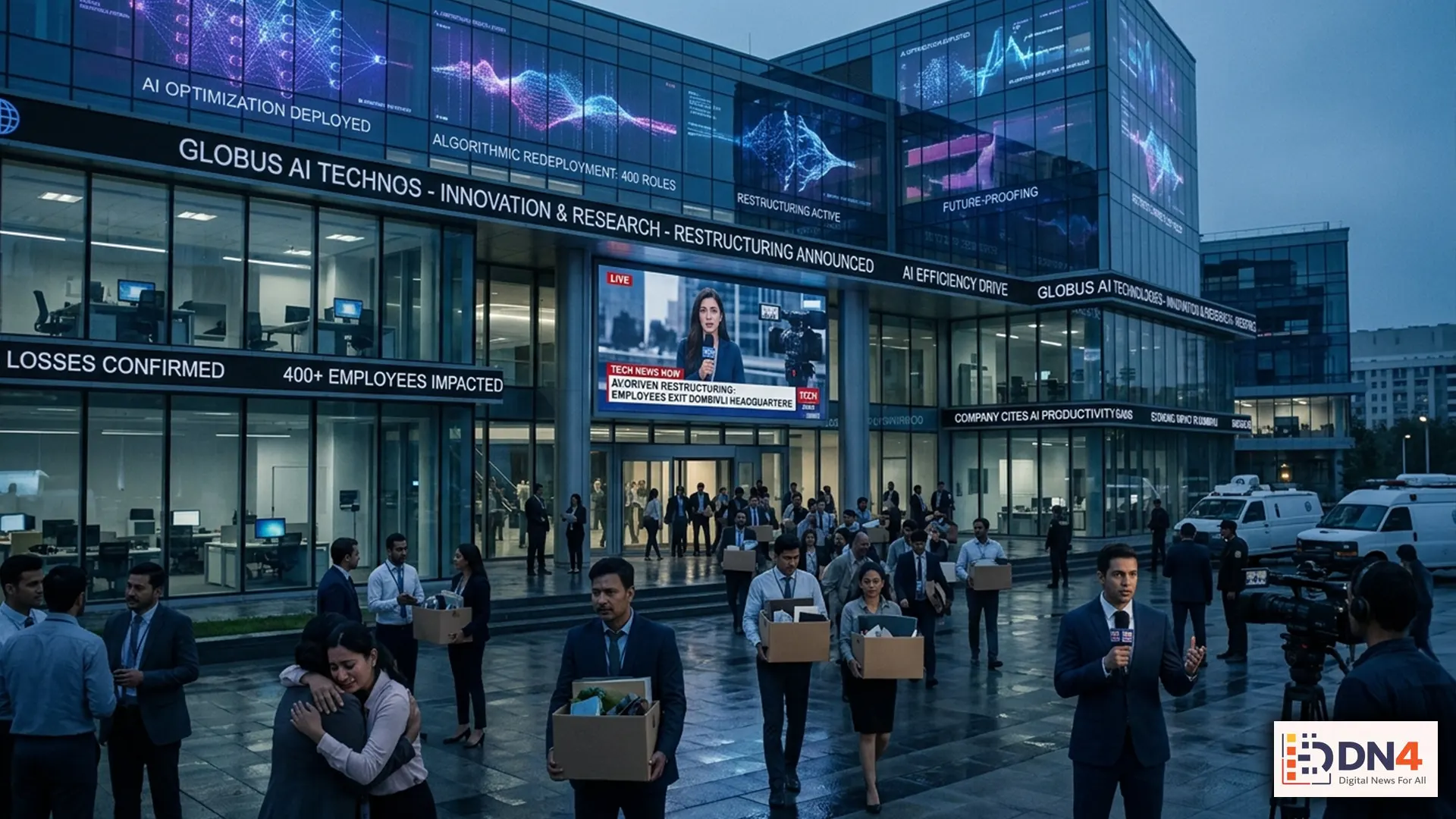
Meta is once again making headlines after reports of approximately 8,000 job cuts linked to broader AI-driven restructuring efforts. The move reflects a growing trend across the global technology sector, where artificial intelligence is rapidly transforming corporate priorities, operational efficiency, and workforce structures.
As companies race to dominate the next era of AI-powered innovation, many workers are increasingly questioning what automation and restructuring mean for long-term job security.
Why Meta Is Restructuring
Meta has been aggressively investing in artificial intelligence infrastructure, machine learning systems, and next-generation digital platforms. The company’s strategy focuses heavily on improving efficiency while accelerating AI product development across social media, advertising, and virtual technologies.
According to reporting from Reuters, technology firms worldwide are streamlining operations to redirect resources toward high-growth AI initiatives.
Meta’s restructuring also reflects growing pressure from investors demanding profitability alongside aggressive innovation spending.
The AI Workforce Transformation
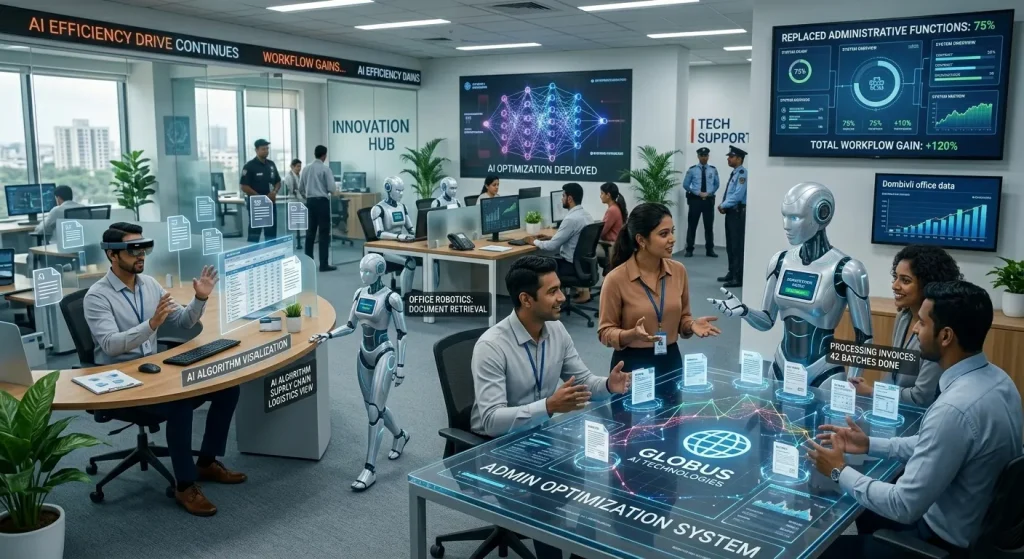
Artificial intelligence is rapidly reshaping the global labor market. AI systems are increasingly capable of handling administrative work, data analysis, customer support, coding assistance, and content generation tasks previously managed by human employees.
Research from the World Economic Forum suggests automation and AI may significantly disrupt traditional employment structures over the next decade while creating demand for new technical and digital roles.
However, many experts warn that workforce adaptation may not happen evenly across industries or skill levels.
Why Investors Support AI Restructuring
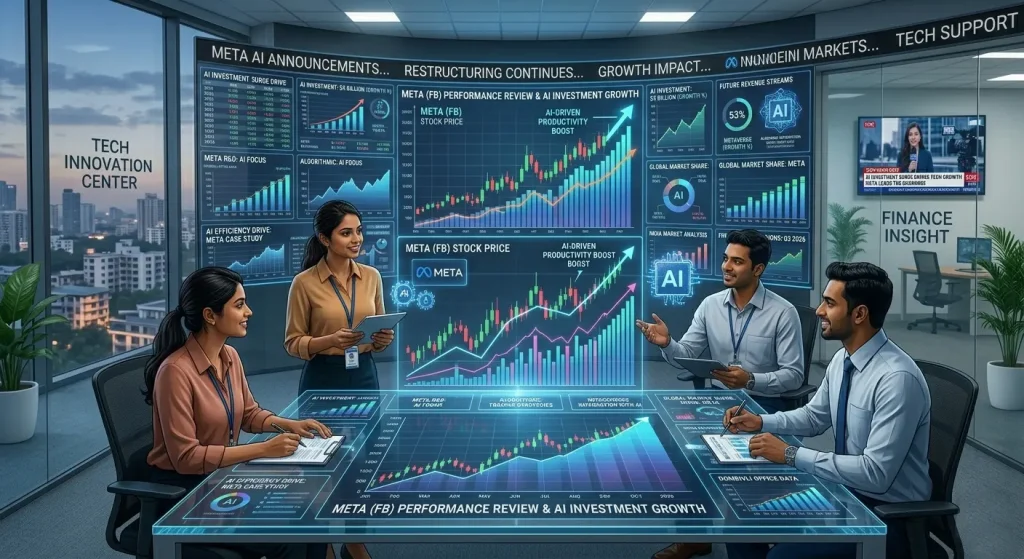
From a financial perspective, AI-driven restructuring can improve operational efficiency and reduce long-term labor costs. Investors increasingly reward companies that demonstrate strong AI integration strategies capable of boosting productivity and future profitability.
According to analysis from Bloomberg, Wall Street continues viewing artificial intelligence as one of the most transformative economic forces in modern technology history.
Meta’s aggressive investment in AI infrastructure aligns with broader industry competition involving companies such as Microsoft, Google, and Amazon.
The Human Cost of Automation
Despite investor optimism, workforce reductions remain deeply concerning for employees and labor economists. Critics argue that rapid automation may widen economic inequality if displaced workers struggle to transition into new AI-focused roles.
Experts from Brookings Institution warn that the pace of technological disruption may outstrip existing workforce retraining systems.
The concern extends beyond the technology sector. AI-driven automation is increasingly affecting finance, healthcare, logistics, media, education, and customer service industries worldwide.
Could AI Create More Jobs Than It Replaces?
Some economists argue that artificial intelligence could eventually create entirely new categories of employment, much like previous industrial revolutions transformed labor markets.
Emerging demand for AI engineers, cybersecurity specialists, data scientists, automation consultants, and digital infrastructure experts continues growing globally.
According to McKinsey & Company, future workforce success may increasingly depend on adaptability, digital literacy, and continuous skills development.
The Bigger Global Shift
Meta’s job cuts are part of a broader transformation affecting how corporations balance innovation, profitability, and workforce management in the AI era.
Governments, educational institutions, and businesses are now facing urgent pressure to prepare workers for rapidly evolving technological economies.
Meta’s latest round of layoffs highlights how AI-driven restructuring is becoming a defining trend across the global economy.
While artificial intelligence may unlock extraordinary productivity and innovation, the long-term challenge will be ensuring that economic opportunities remain accessible as automation reshapes the future of work.
For millions of workers worldwide, the AI revolution is no longer a future concept — it’s already changing the workplace today.
#Meta #AIJobs #TechLayoffs #ArtificialIntelligence #FutureOfWork #Automation #TechIndustry #DigitalEconomy #WorkforceTransformation