

 By Vinod Ram
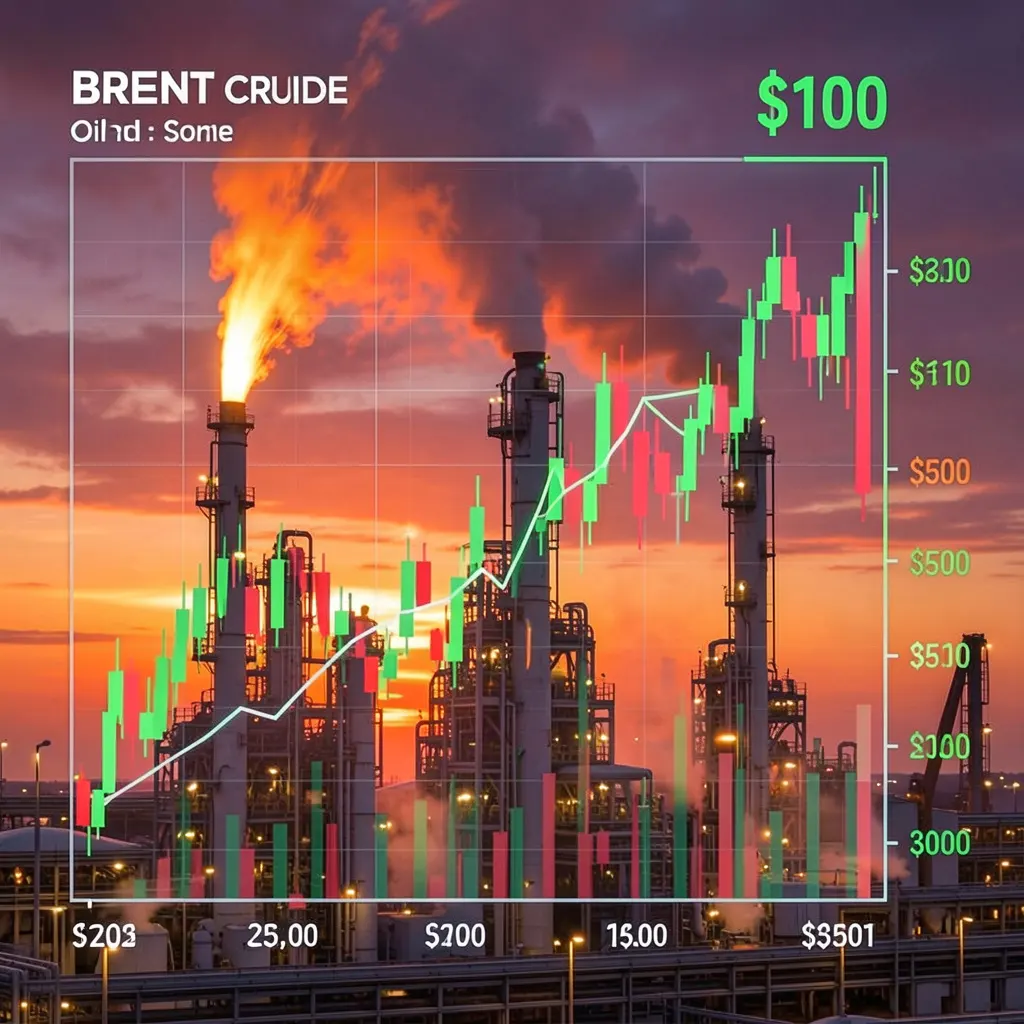
Global oil prices are climbing again, with Brent crude oil approaching the critical $106-per-barrel mark. For consumers worldwide, the impact is becoming impossible to ignore as gasoline, transportation, and household costs continue to rise.
Energy analysts warn that ongoing geopolitical tensions in the Middle East, combined with supply concerns and shipping disruptions, are pushing crude prices sharply upward. The result is a direct strain on household budgets and inflation rates across major economies.
Why Brent Crude Prices Matter
Brent crude serves as one of the world’s most important oil benchmarks. When its price rises, fuel costs usually increase across global markets, affecting everything from daily commuting to airline tickets and food delivery services.
According to analysis from Reuters, recent instability involving Iran and shipping routes near the Strait of Hormuz has increased fears of oil supply disruptions.
How Higher Oil Prices Affect Everyday Consumers
When crude oil prices rise, fuel companies often pass those costs directly to consumers. Drivers see the impact first at gas stations, but the economic effects quickly spread throughout the economy.
Transportation companies face higher operating expenses, airlines increase ticket prices, and businesses often raise product costs to offset rising logistics expenses. According to CNBC, energy-driven inflation can significantly reduce consumer spending power.
Experts from the International Energy Agency (IEA) warn that prolonged oil price spikes could slow economic growth in both developed and emerging markets.
The Global Economic Ripple Effect
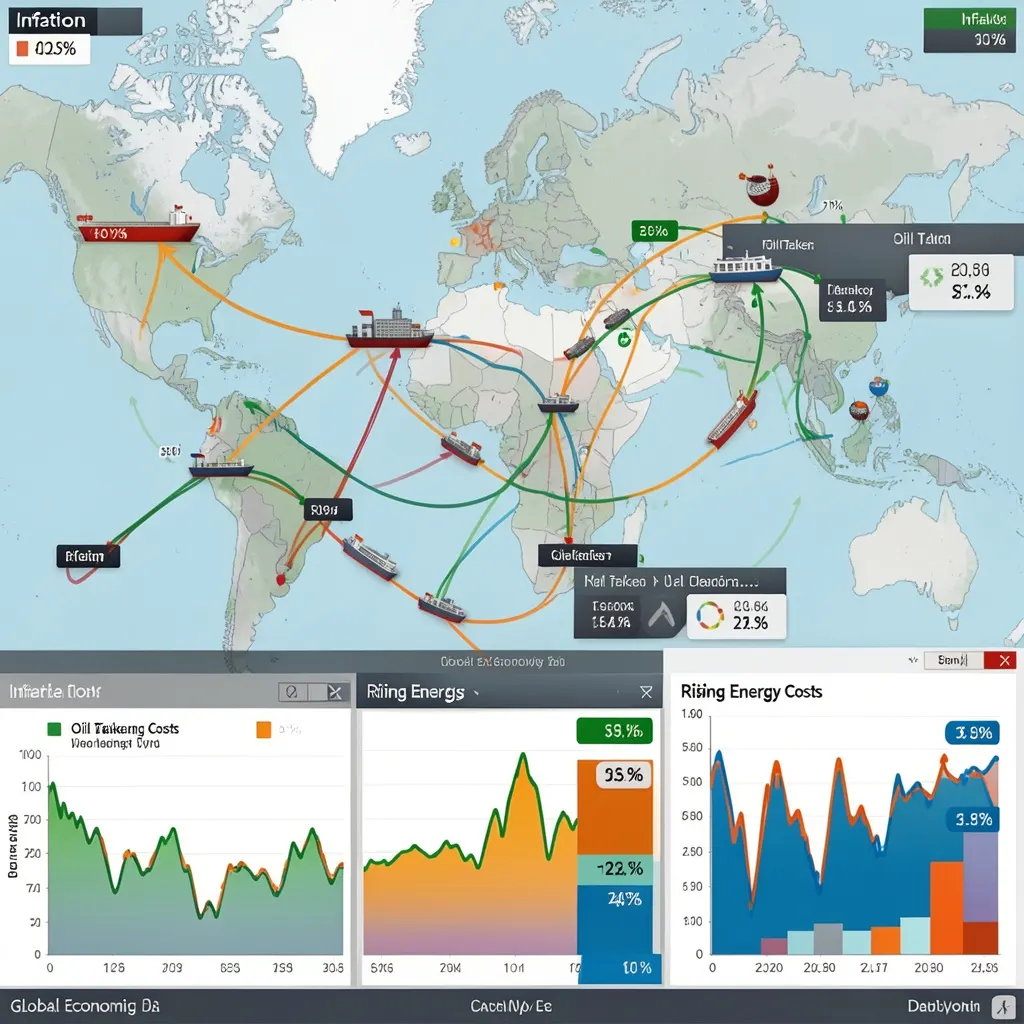
Rising energy prices not only affect transportation but also manufacturing, agriculture, and electricity generation. Countries heavily dependent on oil imports often experience faster inflation and increased pressure on national budgets.
Financial markets are also reacting cautiously. Investors fear that sustained high oil prices could force central banks to maintain higher interest rates for longer periods.
Analysis from the World Bank suggests that energy price shocks remain one of the largest risks to global economic recovery following recent years of inflation and supply chain disruptions.
Could Oil Prices Rise Even Further?
Some market analysts believe Brent crude could climb even higher if geopolitical tensions escalate or if OPEC production cuts tighten global supply further.
Organizations like OPEC continue to closely monitor market conditions while balancing production targets aimed at stabilizing oil revenues.
As Brent crude approaches $106 per barrel, consumers worldwide are feeling the effects through rising fuel prices and increased living costs. While geopolitical uncertainty remains the biggest driver, the broader concern is how long elevated energy prices could continue straining the global economy.
For millions of households, the cost of energy is no longer just an economic statistic — it’s becoming a daily financial burden.
#BrentCrude #GasPrices #OilMarket #FuelPrices #Inflation #GlobalEconomy #EnergyCrisis #OilPrices #WorldNews