

 By Vinod Ram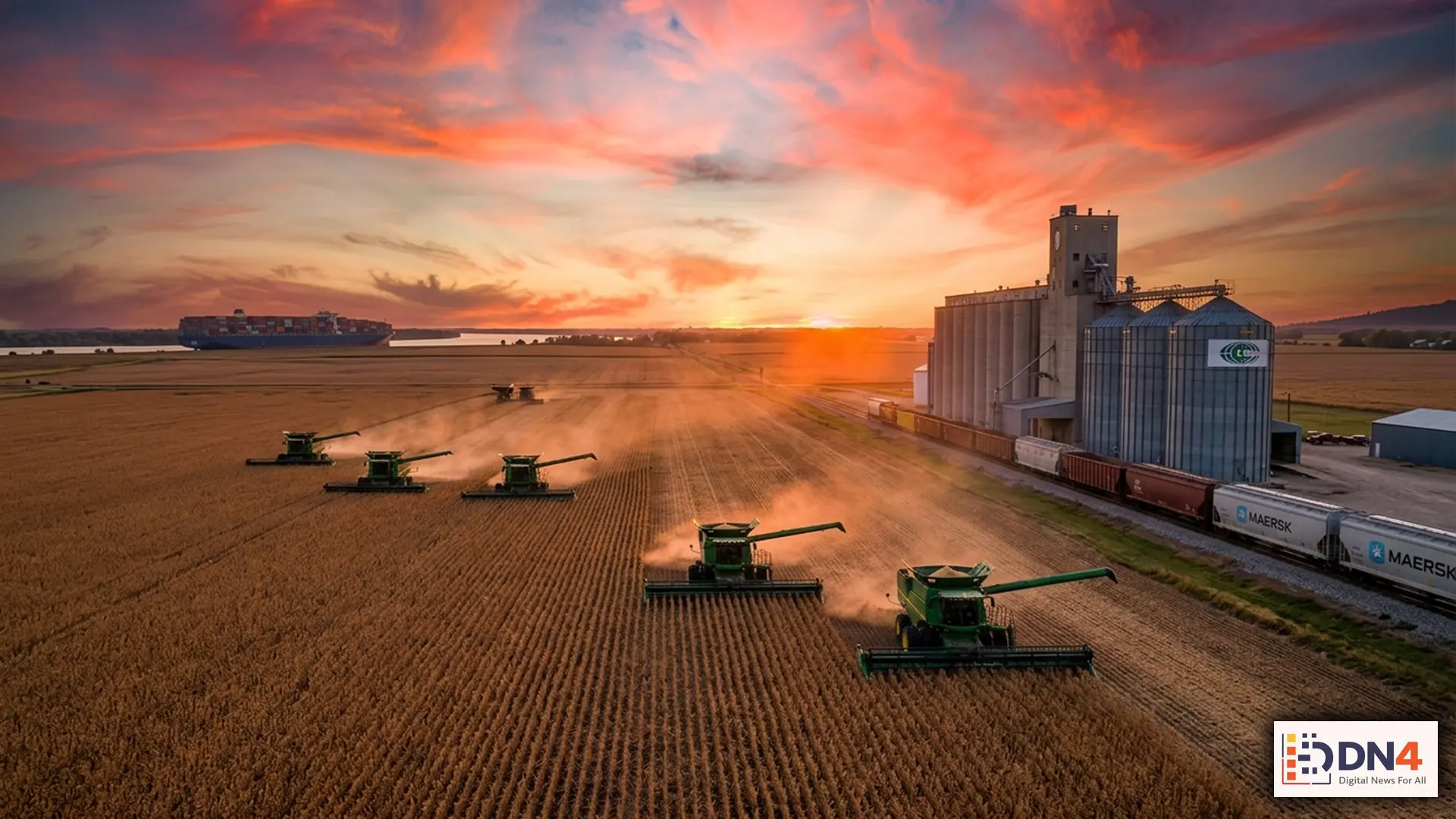
The latest agricultural trade agreement between the United States and China is expected to generate nearly $17 billion in export opportunities, offering a major economic boost to American farmers and agribusinesses in 2026.
The deal, which focuses heavily on soybean, corn, wheat, pork, and dairy exports, comes as both nations attempt to stabilize trade relations after years of tariff disputes and supply chain disruptions. According to trade analysts, the agreement could significantly reshape agricultural markets across several US states heavily dependent on international exports.
The US Department of Agriculture has indicated that rising Chinese demand for food imports remains a major growth opportunity for American producers despite ongoing geopolitical tensions.
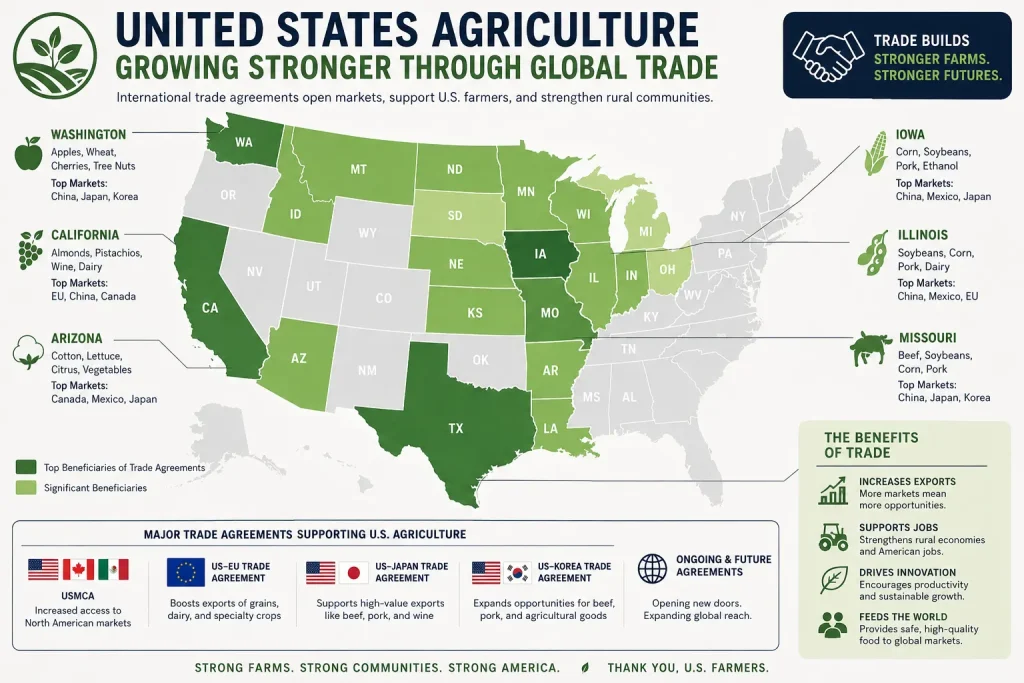
Which States Stand to Benefit the Most?
Midwestern farming states are expected to emerge as the biggest winners under the agreement. States with strong soybean and corn production capacity are likely to see increased export demand and higher commodity prices.
Iowa
As America’s leading corn-producing state and a major soybean exporter, Iowa could receive one of the largest economic boosts from the deal. Increased Chinese purchases may strengthen local farm revenues while supporting transportation, storage, and agricultural equipment industries.
Illinois
Illinois farmers are also expected to benefit significantly due to the state’s massive soybean output and access to export infrastructure through the Mississippi River system.

Nebraska and Kansas
Both states could see increased demand for grain exports, beef products, and livestock feed. Agricultural economists believe higher export volumes may help stabilize farm incomes after several years of market volatility.
Texas
Texas producers may gain from expanded cotton, beef, and sorghum exports as China continues diversifying its agricultural import sources.
Why China Needs US Agriculture
China remains one of the world’s largest food importers due to its enormous population and growing middle class. Rising domestic consumption and land-use pressures have increased reliance on imported agricultural products.
According to World Bank economic analysis, food security remains a strategic priority for Beijing, particularly as climate disruptions affect global crop production.
American agricultural producers continue to offer advantages in scale, efficiency, and export logistics that are difficult for many competitors to match.
The Impact on Commodity Prices
Commodity markets reacted positively following news of the agreement. Analysts at CME Group suggest that soybean and corn futures could experience upward pressure if Chinese purchasing commitments remain strong throughout 2026.
Higher export demand may also influence fertilizer companies, farm equipment manufacturers, and rural banking institutions tied to agricultural financing.
Companies such as John Deere and major grain logistics providers could indirectly benefit from stronger agricultural activity linked to export growth.
Risks and Political Challenges
Despite optimism surrounding the agreement, analysts caution that political tensions between Washington and Beijing remain unpredictable. Trade policy changes, tariffs, or geopolitical disputes could quickly disrupt agricultural markets again.
Some farming organizations also warn that overdependence on Chinese demand may expose US agriculture to future economic and diplomatic risks.
The American Farm Bureau Federation has repeatedly emphasized the importance of maintaining diversified export markets while expanding trade relationships globally.
A Turning Point for Rural America?
For many rural communities, the $17 billion farm deal represents more than just export growth. Increased agricultural revenues could support local employment, transportation infrastructure, manufacturing, and small-town economies that have faced years of financial pressure.
Economists believe stronger trade relationships may help stabilize the agricultural sector at a critical moment when farmers continue dealing with inflation, rising fuel costs, and unpredictable weather patterns.
While long-term outcomes remain uncertain, the agreement signals renewed momentum for American agriculture and highlights the strategic role farming continues to play in global economic diplomacy.
#ChinaTrade #USFarmers #Agriculture #TradeDeal #FarmingEconomy #Soybeans #CornExports #GlobalTrade #AgriBusiness