

 By Vinod Ram
As cybercriminals become increasingly sophisticated, older adults remain one of the most targeted groups for financial scams and online fraud. National Senior Fraud Awareness Day serves as an important reminder for families to help protect aging parents and relatives from costly scams that can drain savings, compromise identities, and create emotional distress.
According to the Federal Bureau of Investigation (FBI), Americans over the age of 60 lose billions of dollars each year to fraud schemes ranging from fake tech support calls to investment scams and identity theft.
Why Seniors Are Frequent Targets
Scammers often target seniors because many retirees have savings, established credit histories, and may be less familiar with rapidly evolving digital threats. Fraudsters frequently exploit trust, urgency, and fear to manipulate victims into revealing sensitive information.
- Fake IRS or government agency calls
- Romance and companionship scams
- Banking and credit card fraud
- Lottery or sweepstakes scams
- Tech support impersonation scams
- Phishing emails and fake websites
The Federal Trade Commission warns that criminals increasingly use artificial intelligence, spoofed caller IDs, and realistic fake websites to trick victims into sharing financial details.
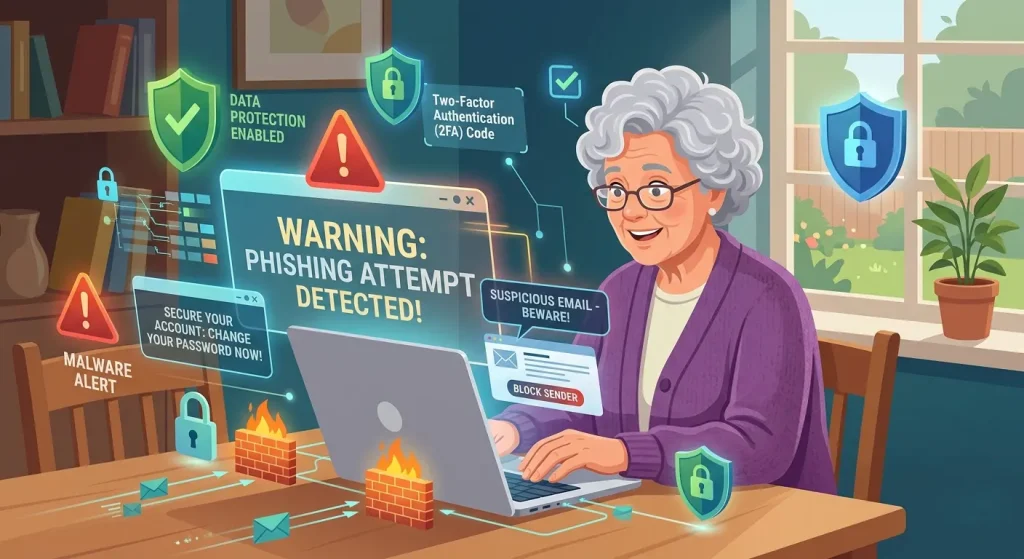
Simple Steps to Protect Your Parents
This weekend is the perfect opportunity to have a calm, supportive conversation with your parents about online safety and financial fraud prevention. Experts say proactive communication is one of the most effective defenses against scams.
1. Review Their Online Security
Help your parents update passwords, enable two-factor authentication, and review privacy settings on financial and social media accounts. Consider using password managers from trusted companies like Norton or 1Password.
2. Teach Them to Spot Red Flags
Remind seniors that legitimate government agencies, banks, and tech companies rarely request sensitive information through unsolicited calls, emails, or text messages.
Suspicious warning signs include:
- Pressure to act immediately
- Requests for gift cards or wire transfers
- Unexpected account alerts
- Unknown callers demanding payment
- Links asking for login credentials
3. Monitor Financial Activity Together
Encourage regular reviews of bank statements and credit reports. Services from the Identity Theft Resource Center can help victims report suspicious activity quickly.
4. Verify Before Sending Money
Many scams involve impersonating family members, government officials, or bank employees. Encourage your parents to independently verify requests before sharing personal information or sending money.
Cybersecurity experts at CISA recommend calling official phone numbers directly rather than responding to suspicious messages.

The Emotional Side of Fraud
Victims of scams often feel embarrassment or shame, which can prevent them from reporting fraud quickly. Families should approach conversations with empathy and support rather than criticism.
Open communication can reduce isolation and help seniors feel comfortable asking questions when they encounter suspicious situations online or over the phone.
National Senior Fraud Awareness Day is more than a public awareness campaign — it’s a reminder that protecting vulnerable family members requires ongoing vigilance, education, and communication.
A short conversation this weekend could help prevent devastating financial losses and protect the people who matter most.
#SeniorFraudAwareness #ElderScams #CyberSafety #FraudPrevention #IdentityTheft #OnlineSafety #FinancialSecurity