

 By Vinod Ram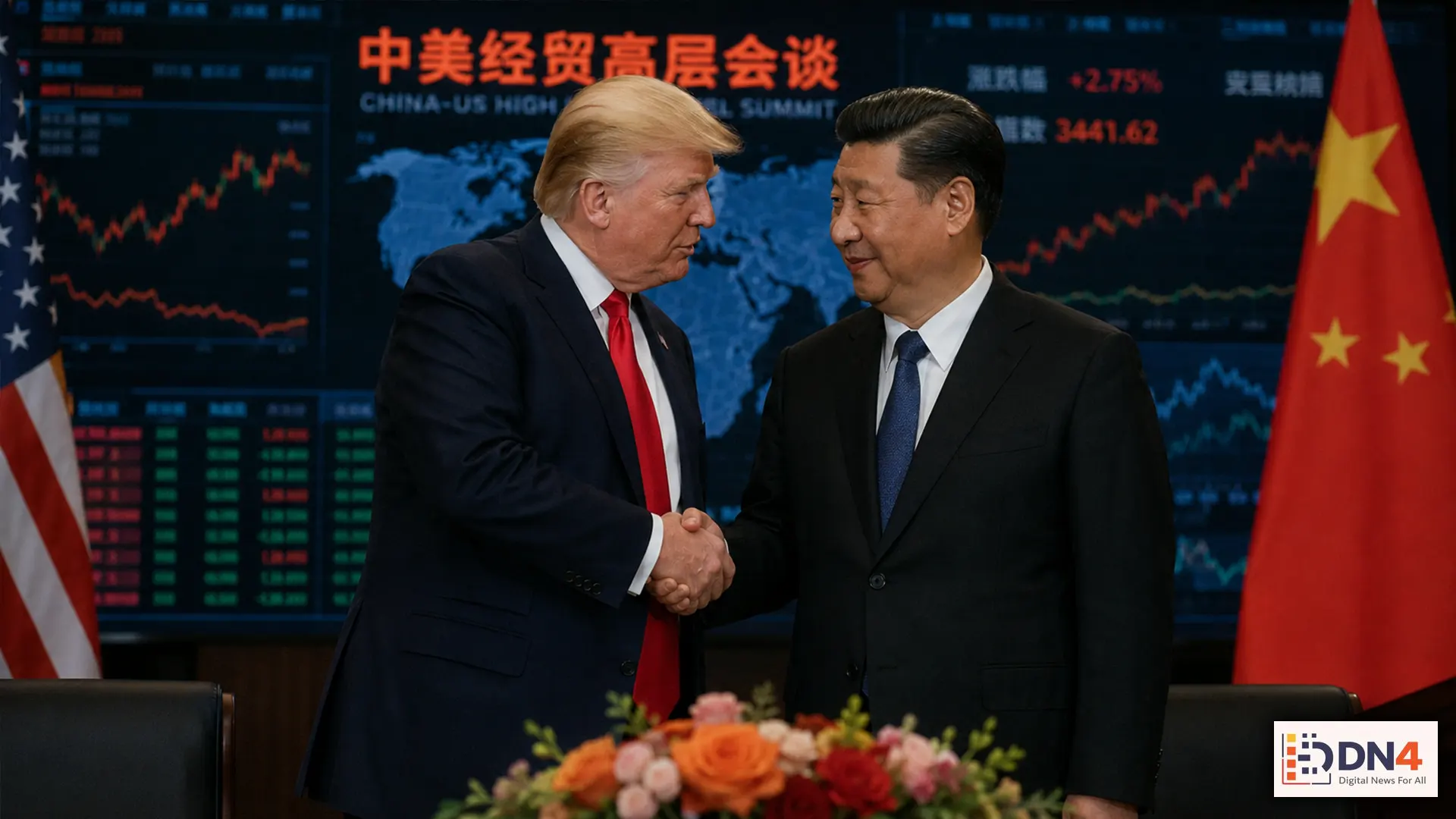
The latest Trump-Xi Beijing Summit is already sending shockwaves through global markets, with economists, investors, and consumers closely watching the outcome of new trade negotiations between the United States and China. While political analysts focus on diplomacy, everyday consumers are asking a more practical question: How will these trade deals affect my wallet?
The summit comes at a crucial moment for the world economy, as inflation concerns, supply chain disruptions, and rising consumer prices continue to challenge households globally. According to the International Monetary Fund, trade tensions between major economies have already impacted global growth forecasts.
Why the Trump-Xi Summit Matters
The United States and China remain the world’s two largest economies. Any agreement between the two nations directly impacts global trade, manufacturing costs, and financial markets. The Beijing summit focused heavily on:
- Reducing tariffs on key imports
- Technology and semiconductor cooperation
- Supply chain stabilization
- Energy and agricultural exports
- Currency and investment policies
Experts from the World Bank suggest that easing trade restrictions could lower costs for manufacturers and reduce inflationary pressure worldwide.
Could Consumer Prices Finally Drop?
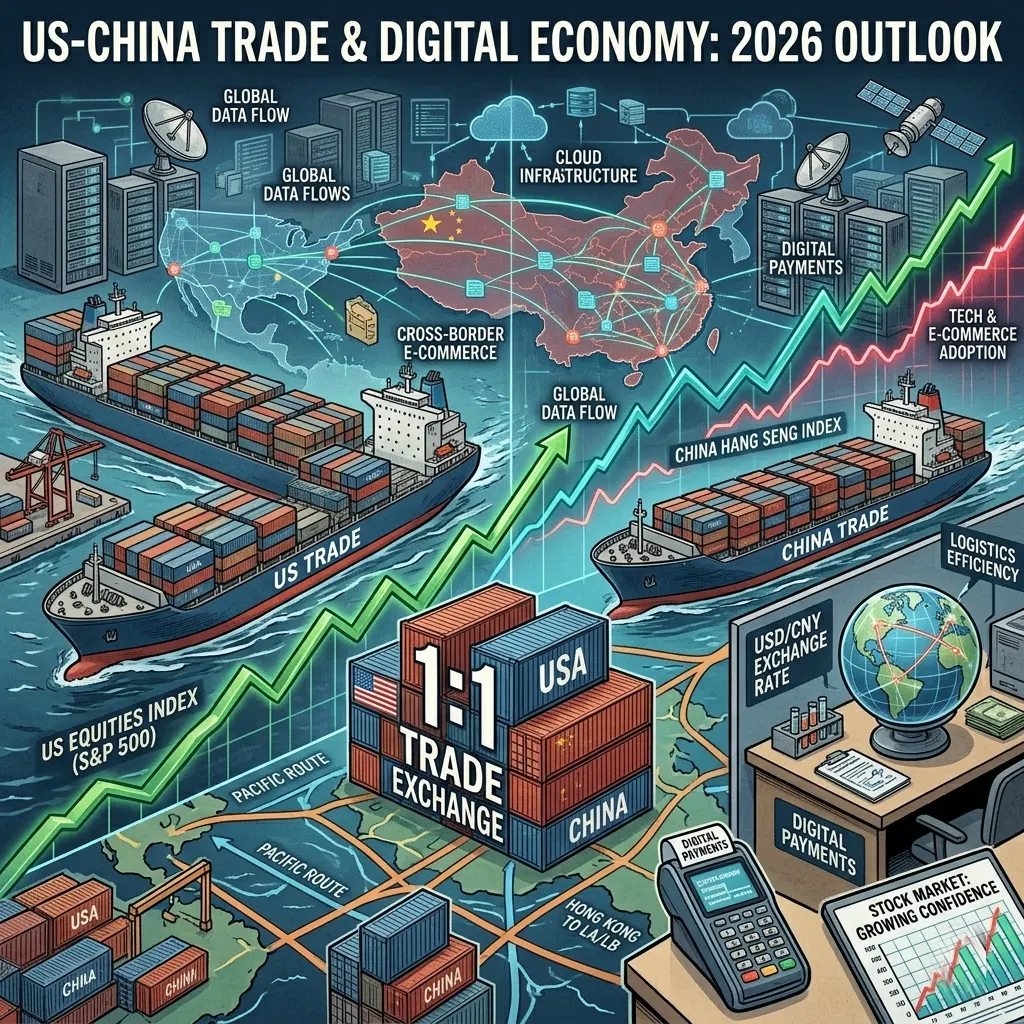
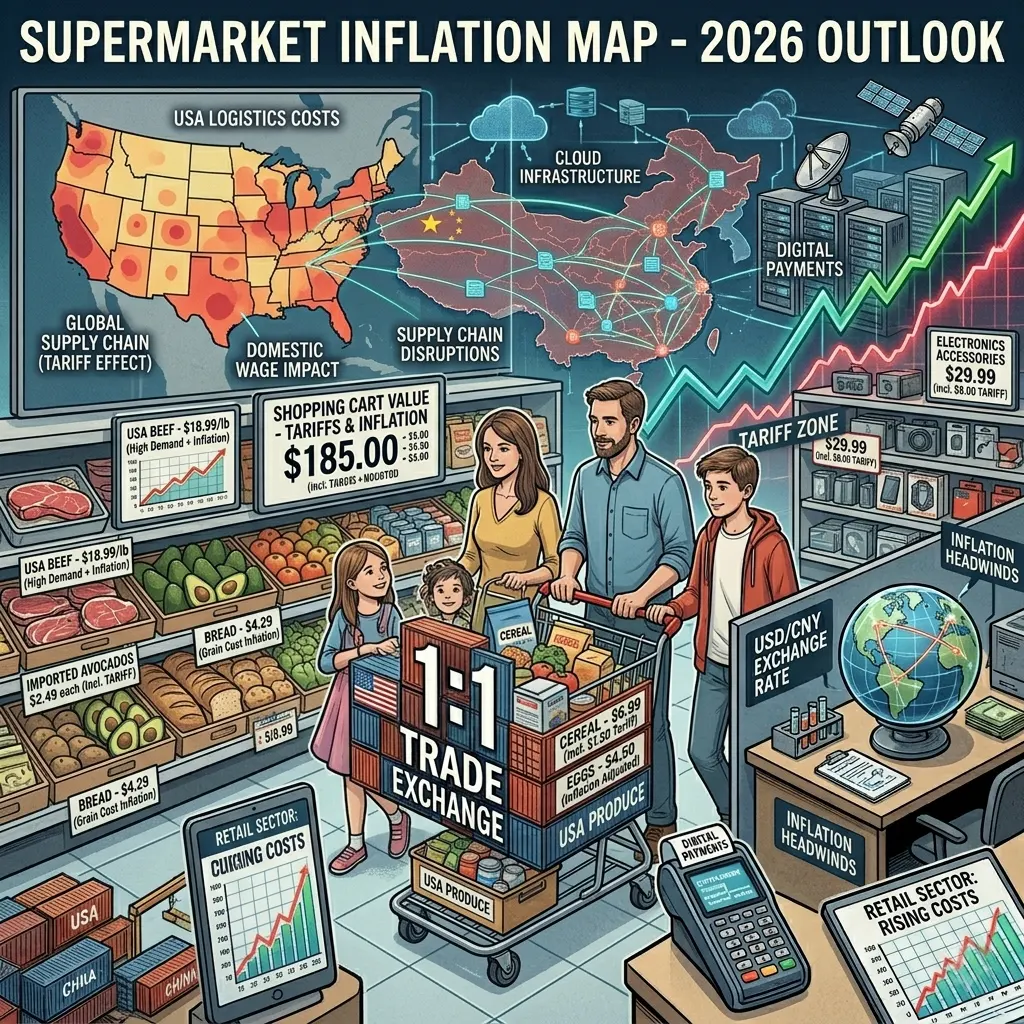
One of the biggest concerns for consumers has been rising prices on electronics, household goods, and imported products. Previous tariffs imposed during earlier trade disputes increased costs for many American businesses, which were eventually passed on to consumers.
If new agreements reduce tariffs, products such as smartphones, laptops, appliances, and even automobiles could become more affordable. Major companies like Apple and Tesla are expected to benefit from smoother supply chain operations and lower production costs.
Consumers may also see improvements in product availability as shipping delays ease. According to analysts at Bloomberg, renewed cooperation could significantly improve global manufacturing efficiency.
Stock Market and Investment Impact
Financial markets reacted positively to early reports from the summit. Investors typically favor reduced geopolitical tensions because stable trade relationships create predictable business conditions.
The Nasdaq and other major indexes saw gains as technology and manufacturing stocks rallied on expectations of improved trade conditions.
Retirement accounts, mutual funds, and pension investments tied to global companies may benefit if markets continue responding positively to the trade deal announcements.
What Could Still Go Wrong?
Despite optimistic headlines, experts warn that trade agreements often take months or even years to fully implement. Political disagreements, regulatory barriers, and ongoing competition in artificial intelligence and semiconductor technology could still create volatility.
The
Council on Foreign Relations notes that geopolitical tensions between Washington and Beijing remain complex despite temporary economic cooperation.
For consumers, the Trump-Xi Beijing Summit could bring meaningful economic relief if tariff reductions and trade cooperation continue moving forward. Lower prices on imported goods, improved market stability, and stronger business confidence may all positively affect household finances over time.
However, the real-world impact will depend on how quickly policies are implemented and whether both countries maintain long-term economic cooperation.
#TrumpXiSummit #USChinaTrade #GlobalEconomy #TradeDeals #Inflation #StockMarket #Tariffs #EconomicNews