

 By Vinod Ram
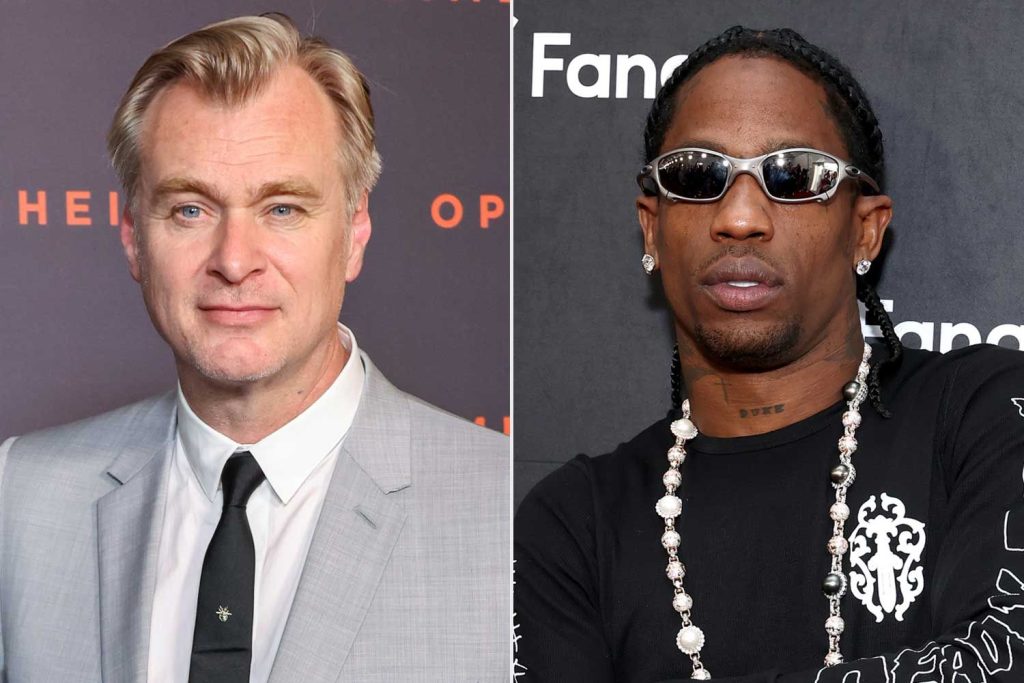
When Christopher Nolan announced that rapper and cultural icon Travis Scott would join the cast of The Odyssey, reactions across social media were immediate and divided. Some saw it as an unexpected celebrity crossover, while others recognized something deeper: Nolan’s understanding that rap music and epic poetry are fundamentally connected.
At its core, Homer’s The Odyssey is oral storytelling. Long before books existed, these stories were spoken, performed, memorized, and emotionally delivered to audiences. In many ways, modern rap music operates in the same tradition. Through rhythm, repetition, improvisation, and lyrical intensity, hip hop artists continue one of humanity’s oldest artistic practices.
Rap and Epic Poetry Share the Same DNA
Scholars from institutions like The Poetry Foundation and researchers studying oral traditions have long compared rap lyricism to classical poetry. Both rely heavily on cadence, metaphor, storytelling, and emotional performance.
Artists such as Travis Scott have built careers not only through music but through atmosphere and narrative world-building. His albums often feel cinematic, immersive, and emotionally fragmented—qualities Christopher Nolan frequently explores in films like Inception, Interstellar, and Oppenheimer.
Nolan likely sees Travis Scott as more than a musician. He represents a modern storyteller capable of translating mythic emotions for contemporary audiences.
Why Travis Scott Fits Nolan’s Vision
Unlike traditional casting decisions focused purely on acting credentials, Nolan often prioritizes emotional presence and cultural symbolism. Travis Scott brings both. His influence extends beyond music into fashion, branding, and youth culture, making him one of the defining creative figures of his generation.
Platforms like Spotify and YouTube have amplified the cinematic nature of modern rap performances, turning artists into multidimensional storytellers rather than just musicians.
For a film adaptation of The Odyssey, which explores identity, temptation, ego, isolation, and survival, Travis Scott’s artistic persona aligns surprisingly well with the material. His music often deals with psychological landscapes and larger-than-life emotional experiences—similar themes found throughout Greek mythology.
The Evolution of Modern Storytelling
The casting also reflects a broader shift happening across entertainment. Today’s biggest artists are no longer limited to one medium. Musicians become actors, filmmakers become cultural theorists, and audiences increasingly seek immersive storytelling experiences.
Major entertainment outlets like Variety and The Hollywood Reporter have noted how younger audiences connect strongly with artists who blur creative boundaries.
Rap itself has evolved into one of the most influential literary and cultural forces of the 21st century. Its roots in oral tradition make it uniquely suited for reinterpretations of ancient epics like The Odyssey.
A Bold but Logical Casting Choice
Christopher Nolan’s decision may seem unconventional at first glance, but historically it makes artistic sense. Ancient poets once performed stories aloud to captivate audiences around fires and public gatherings. Today, rappers command arenas, festivals, and digital platforms with the same emotional intensity.
By casting Travis Scott, Nolan may be signaling that modern mythology is no longer confined to classical actors or traditional cinema. Instead, it lives through artists capable of shaping culture through sound, rhythm, and emotional storytelling.
In that context, rap is not separate from poetry—it is poetry evolved for a new era.
#ChristopherNolan #TravisScott #TheOdyssey #RapCulture #HipHopNews #MovieNews #EntertainmentNews #OralPoetry #CinemaCulture