

 By Vinod Ram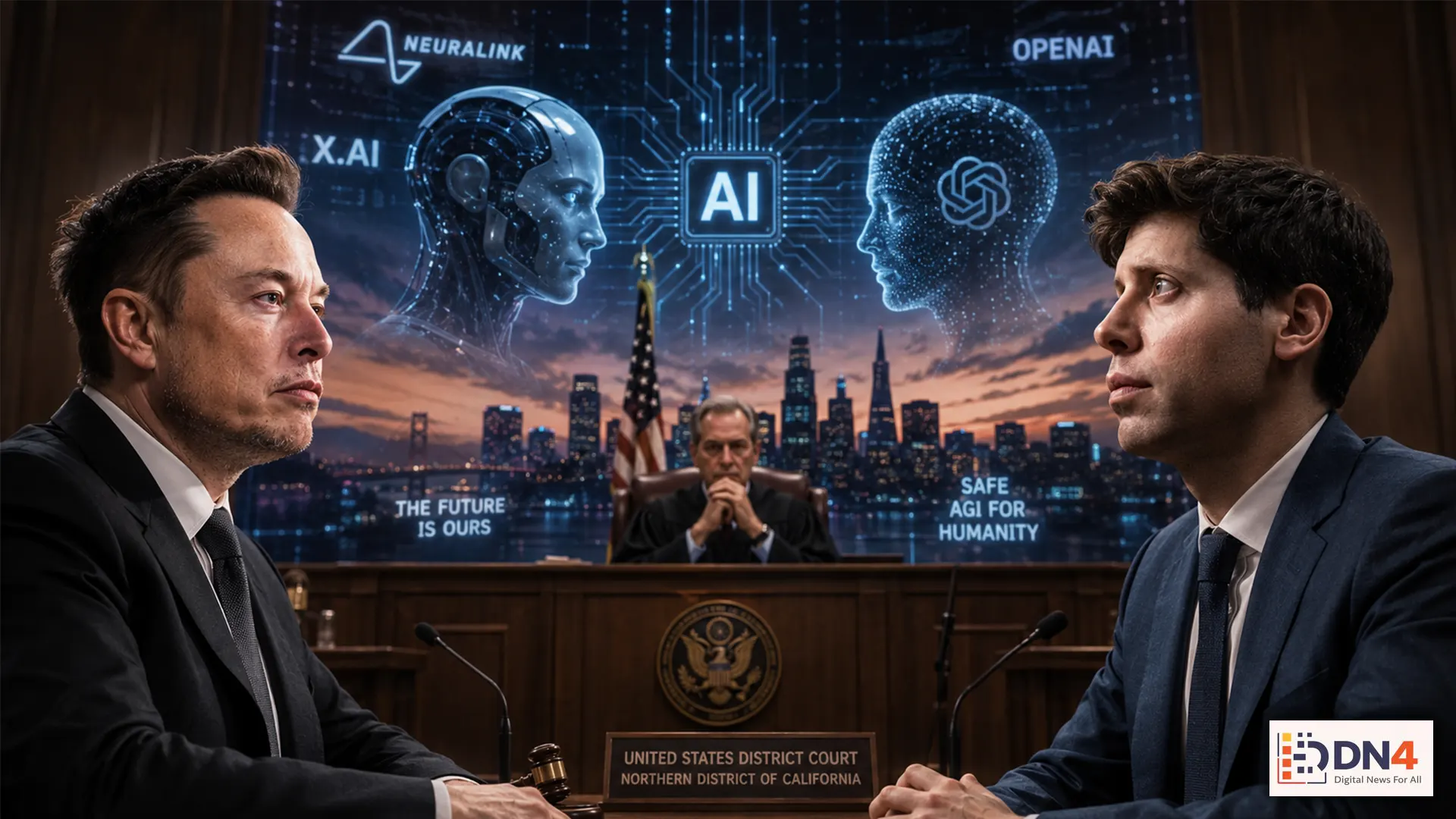
Silicon Valley has witnessed plenty of dramatic rivalries, but few have captured global attention quite like the escalating legal battle between OpenAI CEO Sam Altman and billionaire entrepreneur Elon Musk. What started as a shared mission to build safe artificial intelligence for humanity has now exploded into one of the most controversial courtroom showdowns in tech history.
The lawsuit centers around Musk’s accusation that OpenAI abandoned its original nonprofit mission in favor of corporate greed after partnering closely with Microsoft. According to Musk, the organization he once helped fund has transformed from an open-source AI initiative into a profit-driven powerhouse focused on dominance in the global AI race.
From Allies to Rivals
Back in 2015, Musk and Altman were among the co-founders of OpenAI, a research organization created to ensure artificial intelligence would benefit humanity. The company positioned itself as a transparent alternative to closed corporate AI labs.
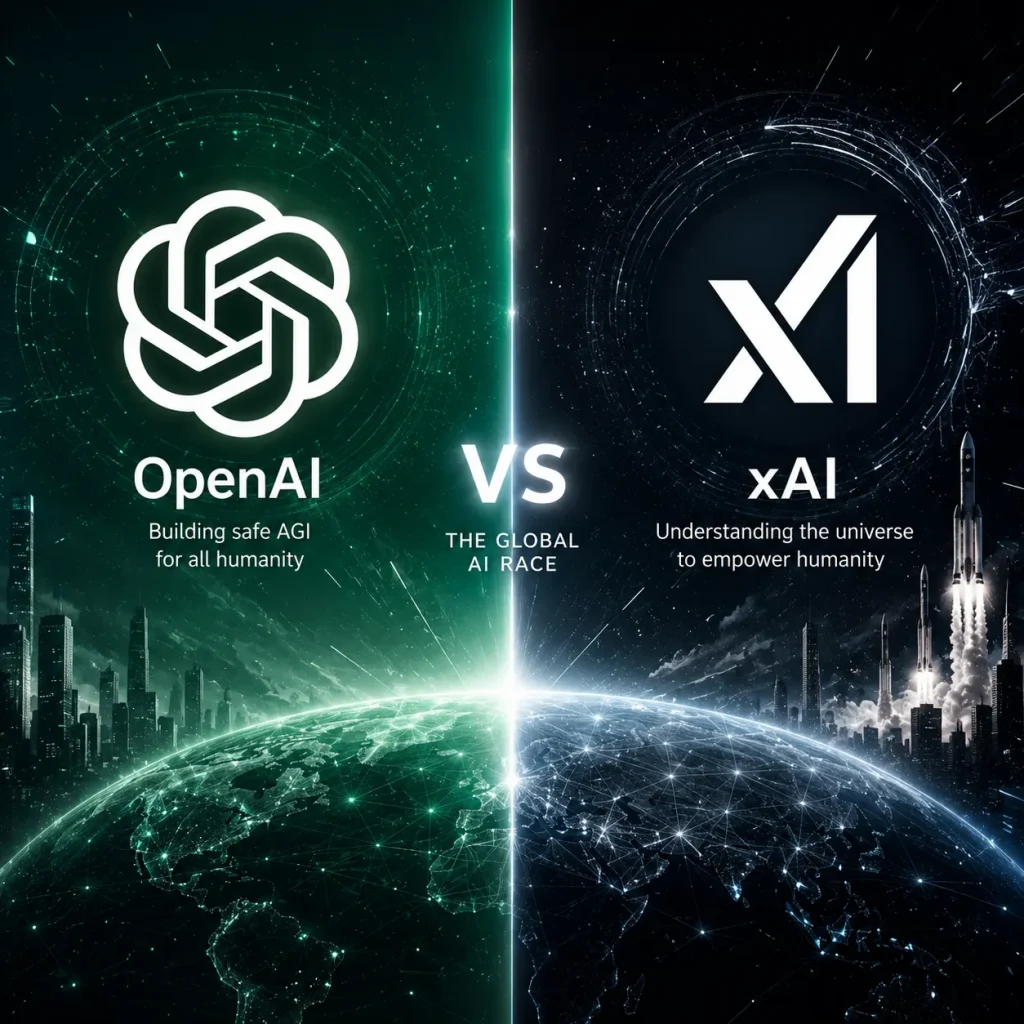
However, tensions reportedly grew when OpenAI accelerated commercialization efforts following the massive success of ChatGPT. Musk later launched his own AI venture, xAI, directly competing with OpenAI in the rapidly expanding generative AI market.
The rivalry intensified after OpenAI’s multibillion-dollar collaboration with Microsoft gave the company unprecedented computing power and global reach. Critics argue this blurred the line between ethical AI research and aggressive corporate expansion.

The Core of the Trial
At the heart of the case is a philosophical debate that goes beyond business. Musk claims OpenAI betrayed its founding principles by prioritizing profits and exclusive technology deals. OpenAI, meanwhile, argues that scaling advanced AI safely requires enormous investment, infrastructure, and strategic partnerships.
The courtroom battle has become symbolic of a much larger question facing the tech industry:
- Should artificial intelligence remain open and accessible?
- Can AI development stay ethical while generating billions in revenue?
- Who should control the future of superintelligent systems?
Legal analysts say the trial could influence future regulations surrounding AI governance, ownership, and corporate accountability across the United States and Europe.
Why Silicon Valley Is Watching Closely
The stakes are enormous. OpenAI currently sits at the center of the global AI boom, while Musk remains one of the most influential voices warning about unchecked artificial intelligence. Their conflict is no longer personal — it represents a larger ideological war shaping the future of technology.
Major investors, startups, and regulators are watching carefully because the outcome could redefine how AI companies operate moving forward. Even firms like Meta, Google, and NVIDIA could feel the ripple effects if stricter transparency or governance rules emerge from the case.
The Bigger Picture for AI
Beyond legal arguments, the Altman-Musk feud highlights a deeper societal concern about who controls artificial intelligence. As AI systems become more powerful and integrated into everyday life, public trust is becoming just as valuable as technological innovation.
For some observers, Musk represents the warning voice advocating caution and decentralization. For others, Altman symbolizes the ambitious push required to bring transformative AI tools to billions of people worldwide.
Regardless of who wins in court, the trial has already changed Silicon Valley’s conversation around ethics, power, and the commercialization of AI forever.
#SamAltman #ElonMusk #OpenAI #ArtificialIntelligence #AIWars #SiliconValley #TechNews #ChatGPT #FutureOfAI #DigitalTransformation