

 By Vinod Ram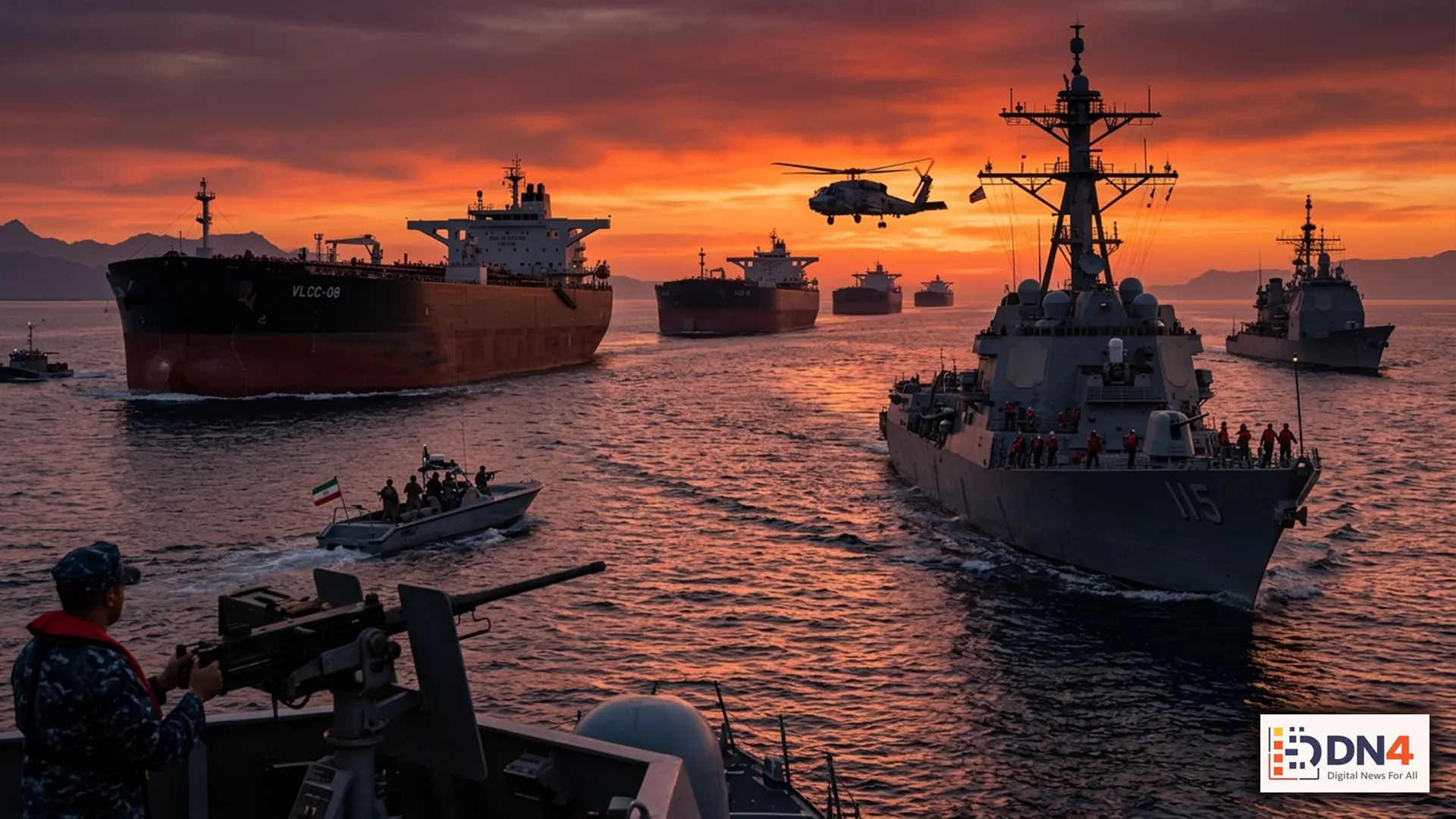
Global energy markets are once again in focus as Project Freedom, a U.S.-led mission in the Strait of Hormuz, begins to influence oil supply chains and fuel prices worldwide. For consumers and investors alike, understanding this geopolitical development is key to decoding rising gas prices.
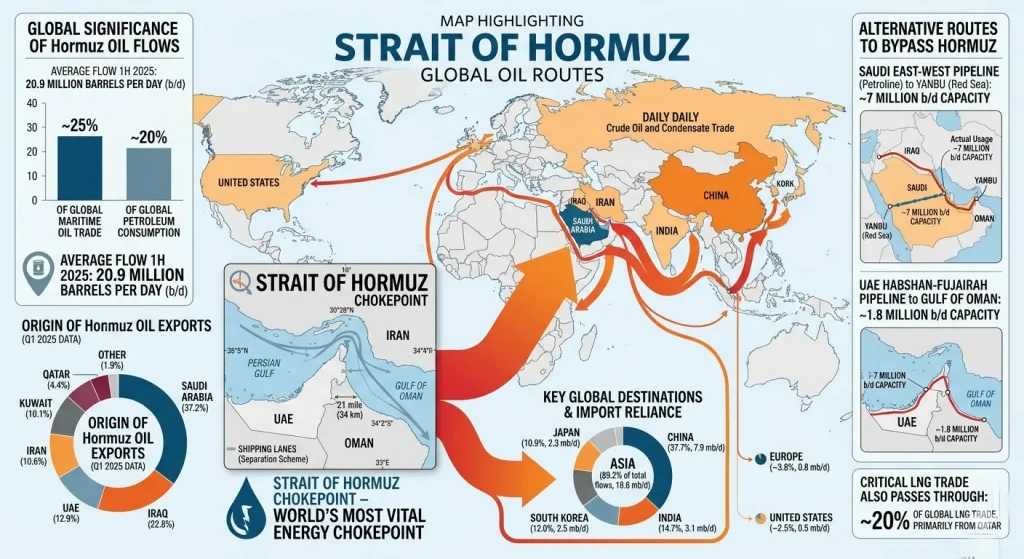
The Strait of Hormuz is one of the world’s most critical oil chokepoints, with nearly 20% of global petroleum passing through it daily. According to U.S. Energy Information Administration (EIA), disruptions here can trigger immediate price volatility.
What Is Project Freedom?
Project Freedom is a strategic naval operation aimed at ensuring safe passage for oil tankers amid rising tensions in the region. The initiative involves coordinated patrols, surveillance, and rapid response capabilities.
Military analysts from U.S. Department of Defense emphasize that maintaining stability in this corridor is essential for global economic security.
Why the Strait of Hormuz Matters
The Strait connects the Persian Gulf to international markets, making it a vital artery for oil exports from countries like Saudi Arabia, Iran, and the UAE. Reports from International Energy Agency (IEA) show that even minor disruptions can send shockwaves through energy markets.
When shipping routes face risks, insurers raise premiums, shipping slows, and oil prices climb—ultimately impacting consumers at the pump.
How Gas Prices Are Being Affected
Since the announcement of Project Freedom, crude oil futures have shown increased volatility. Data from Bloomberg Energy indicates a noticeable uptick in oil prices due to uncertainty.
- Higher shipping insurance costs
- Potential delays in oil deliveries
- Market speculation and trading activity
These factors contribute directly to rising gas prices in countries like the United States, Canada, and across Europe.
Global Economic Impact
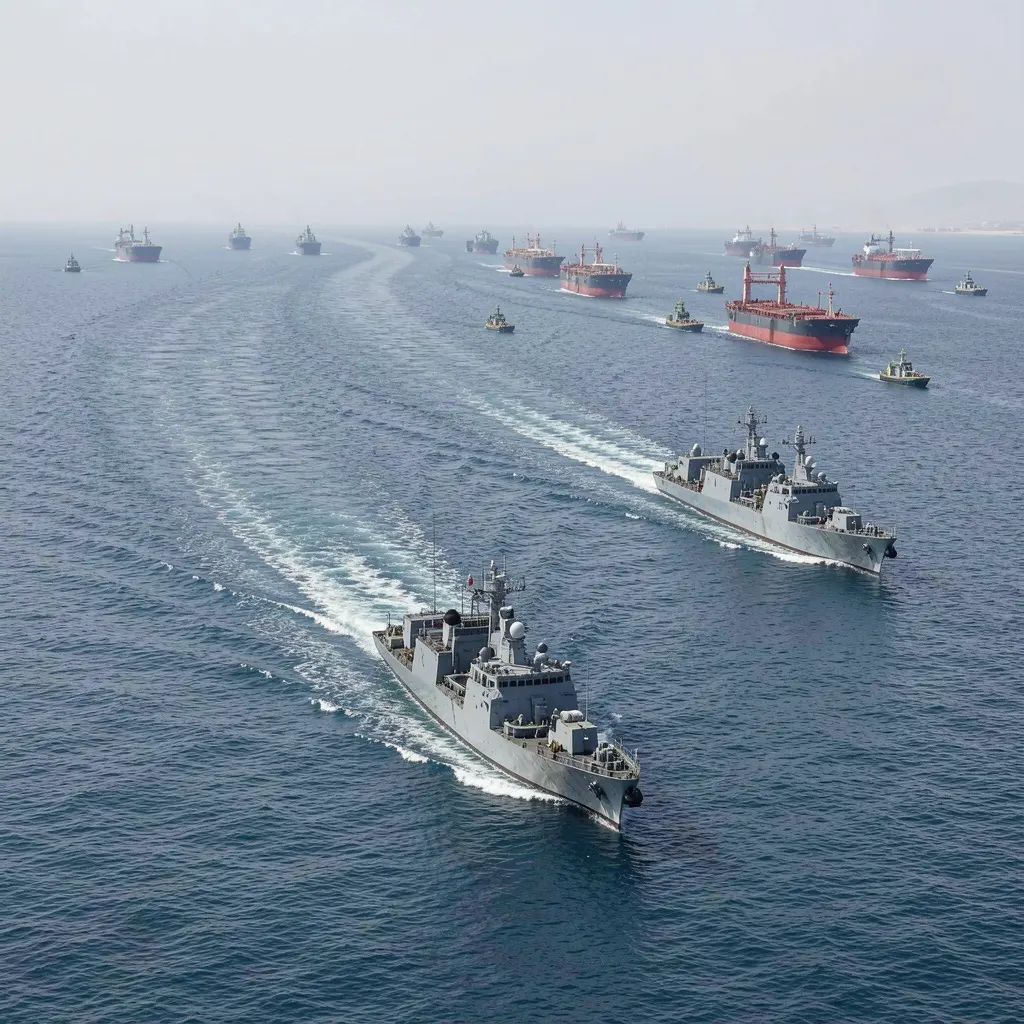
The ripple effects extend beyond fuel costs. Industries reliant on transportation and logistics face increased expenses, which can lead to higher prices for goods and services.
According to International Monetary Fund (IMF), sustained energy price increases can slow economic growth and impact inflation rates globally.
What Happens Next?
The future of gas prices depends largely on geopolitical stability. If Project Freedom successfully secures the Strait, markets may stabilize. However, prolonged tensions could keep prices elevated.
Experts suggest monitoring updates from Reuters Energy News for real-time developments.
Project Freedom highlights the fragile balance of global energy supply. As the situation evolves, consumers should prepare for continued fluctuations in gas prices driven by geopolitical events.
#ProjectFreedom #GasPrices #OilMarket #EnergyCrisis #StraitOfHormuz #GlobalEconomy #FuelPrices #Geopolitics