


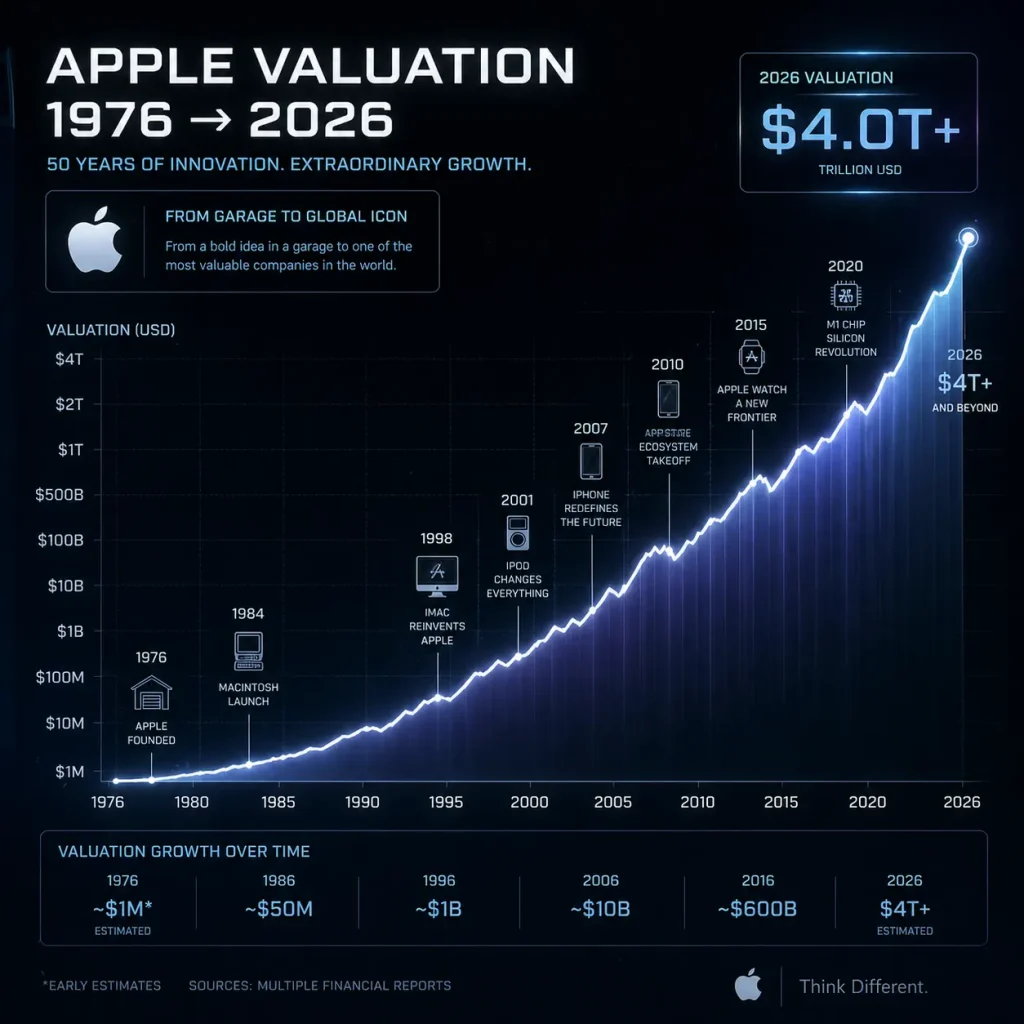
In the world of tech billionaires and trillion-dollar companies, few stories are as astonishing as that of Ronald Wayne — the often-overlooked third co-founder of Apple. In 1976, Wayne sold his 10% stake in the company for just $800. Today, that share would be worth over $400 billion.
The Decision That Shocked Silicon Valley
When Wayne joined forces with Steve Jobs and Steve Wozniak, he brought experience and structure to the young startup. However, just 12 days later, he walked away.
His reasoning? Risk. Unlike his younger co-founders, Wayne had personal assets that could be seized if the company failed. At the time, Apple was far from the global powerhouse it is today — just another uncertain venture in a growing tech landscape.

A $400 Billion “What If”
Fast forward to 2026, and Apple’s market valuation has crossed staggering levels, driven by innovations in smartphones, services, and AI technologies. According to NASDAQ, Apple remains one of the most valuable companies in the world.
Had Wayne held onto his shares, his net worth would rival — or even surpass — some of today’s richest individuals. The story is often cited alongside modern startup success tales in Forbes and Bloomberg, serving as a cautionary tale for entrepreneurs.
No Regrets: Wayne’s Perspective in 2026
Despite the staggering numbers, Wayne has consistently maintained that he has no regrets. In interviews over the years, he has explained that staying with Apple would have exposed him to significant financial and legal risks.
“I made the best decision I could with the information I had,” he once said — a sentiment that continues to resonate with entrepreneurs navigating uncertainty today.
Lessons for Today’s Entrepreneurs
Wayne’s story isn’t just about missed billions — it’s about perspective. In the startup world, decisions are often made under pressure, with incomplete information and high stakes.
- Risk tolerance matters: Not every founder can afford to gamble everything.
- Timing is unpredictable: Today’s small startup could become tomorrow’s giant.
- Success is relative: Financial gain isn’t the only measure of a good decision.
The Myth of the “Perfect Exit”
In an era where startup exits are celebrated, Wayne’s story challenges the narrative of chasing maximum valuation at all costs. Many founders today aim for quick exits, often influenced by venture capital expectations and market trends.
Platforms like TechCrunch frequently highlight billion-dollar exits, but they rarely emphasize the uncertainty behind those decisions.
The tale of Apple’s “forgotten founder” remains one of the most fascinating “what if” scenarios in business history. While the numbers may seem staggering, Ronald Wayne’s perspective offers a valuable reminder: success isn’t always measured in billions.
In 2026, his story continues to inspire — not because of what he lost, but because of the clarity with which he made his choice.
#AppleHistory #StartupLessons #TechBillionaires #EntrepreneurMindset #BusinessStories #Innovation