

 By Vinod Ram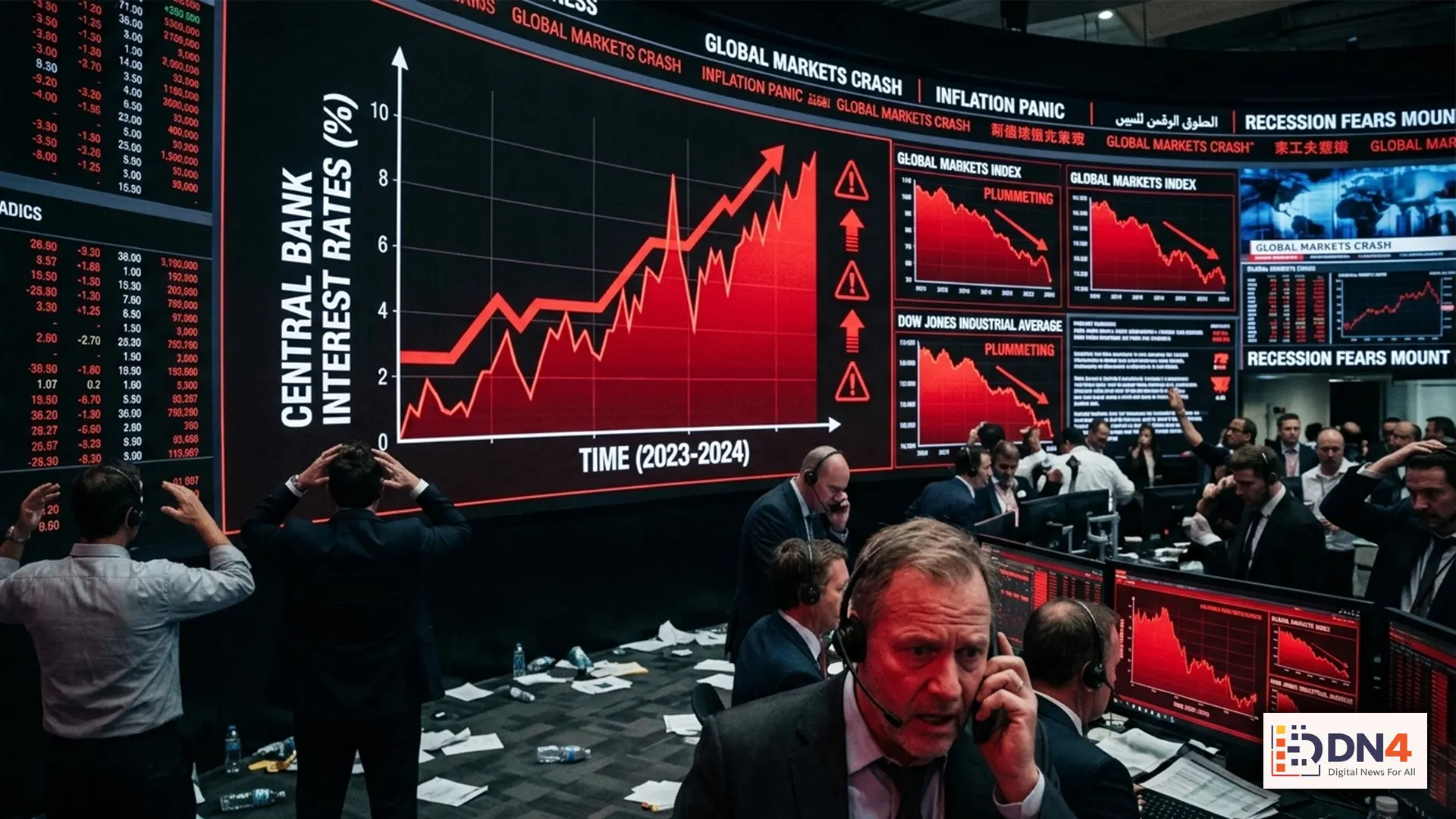
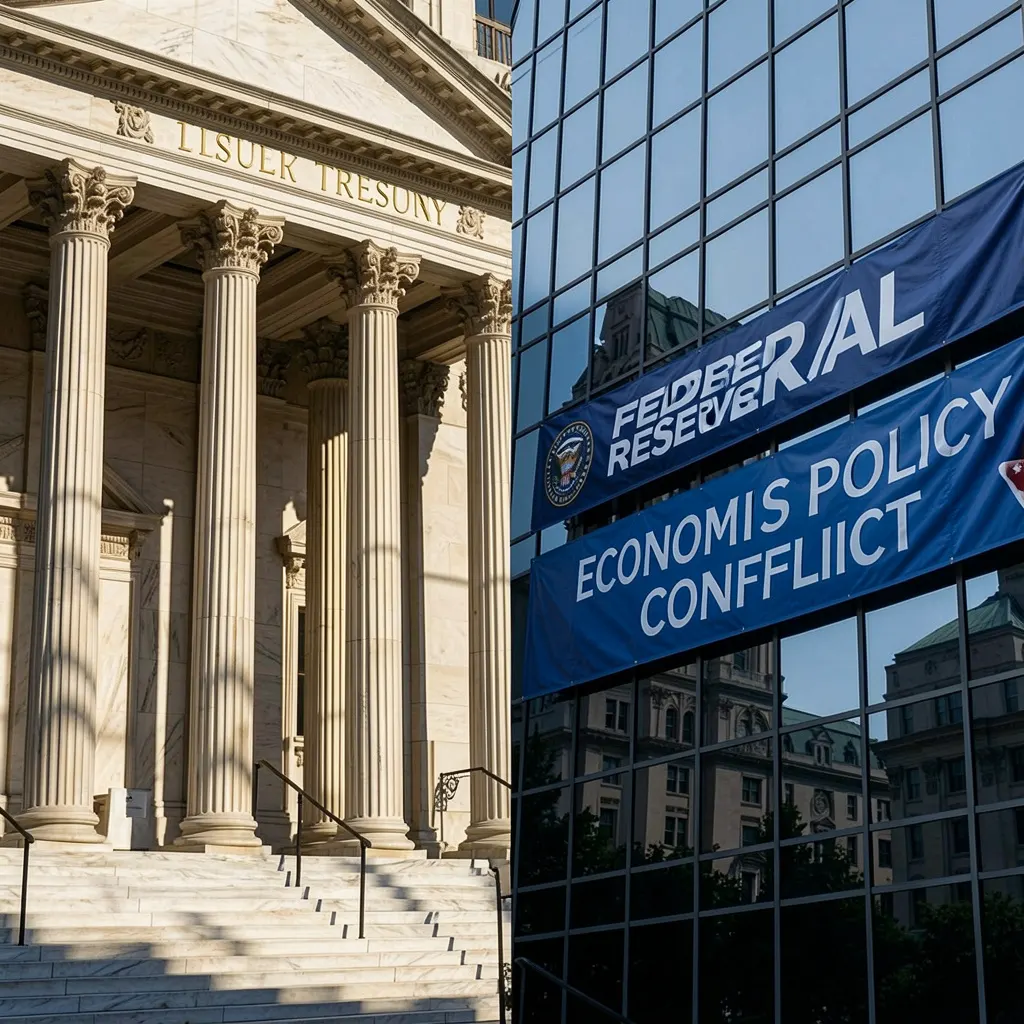
As global markets grapple with rising volatility, a high-stakes policy balancing act is unfolding in the United States. At the center of it all is Scott Bessent, navigating growing tensions between the U.S. Treasury and the Federal Reserve during what many are calling the 2026 interest rate crisis.
The Core Conflict: Treasury vs. The Fed
The divide is rooted in fundamentally different priorities. The Federal Reserve is focused on controlling inflation through higher interest rates, while the Treasury is concerned about economic growth, debt servicing costs, and market stability.
This policy divergence has created uncertainty across financial markets, from equities to bonds.
Who Is Scott Bessent?
Scott Bessent, a prominent investor and economic strategist, has emerged as a key voice in interpreting and responding to this conflict.
Known for his macroeconomic insights, Bessent is playing a crucial role in advising how to balance tightening monetary policy with fiscal sustainability.
Why 2026 Is a Turning Point
Several economic forces have converged to create the current crisis:
- Persistently high inflation levels
- Rising government debt and borrowing costs
- Global economic uncertainty and geopolitical risks
Data and analysis from IMF and World Bank highlight the global implications of U.S. monetary policy decisions.
Market Reactions: Volatility Returns
Financial markets have responded sharply to the policy tension:
- Bond yields are fluctuating rapidly
- Stock markets are experiencing increased volatility
- Currency markets reflect uncertainty in U.S. policy direction
Coverage from Bloomberg and Reuters Markets shows investors closely watching every signal from policymakers.
Bessent’s Strategy: Balancing Growth and Stability
Scott Bessent’s approach emphasizes a careful balance:
1. Gradual Policy Adjustment
Avoiding aggressive rate hikes that could trigger a recession.
2. Fiscal Discipline
Encouraging sustainable government spending to manage debt levels.

3. Market Confidence
Maintaining clear communication to reduce uncertainty among investors.
What This Means for Investors
The current environment presents both risks and opportunities:
- Risks: Market volatility, higher borrowing costs
- Opportunities: Fixed-income yields, defensive sectors
Investors are increasingly focusing on diversification and risk management strategies to navigate the uncertainty.
The Bigger Picture
The Treasury vs. Fed dynamic reflects a broader challenge facing modern economies: how to balance inflation control with sustainable growth.
As policymakers continue to navigate this complex landscape, their decisions will have far-reaching implications for global markets.
The 2026 interest rate crisis is more than just a policy debate—it’s a defining moment for the global economy. With figures like Scott Bessent providing strategic insight, the path forward may be uncertain, but it is being carefully charted.
For investors and policymakers alike, the coming months will be critical in determining the future direction of economic stability.
#InterestRates #FederalReserve #USTreasury #ScottBessent #EconomicCrisis #MarketTrends