

 By Vinod Ram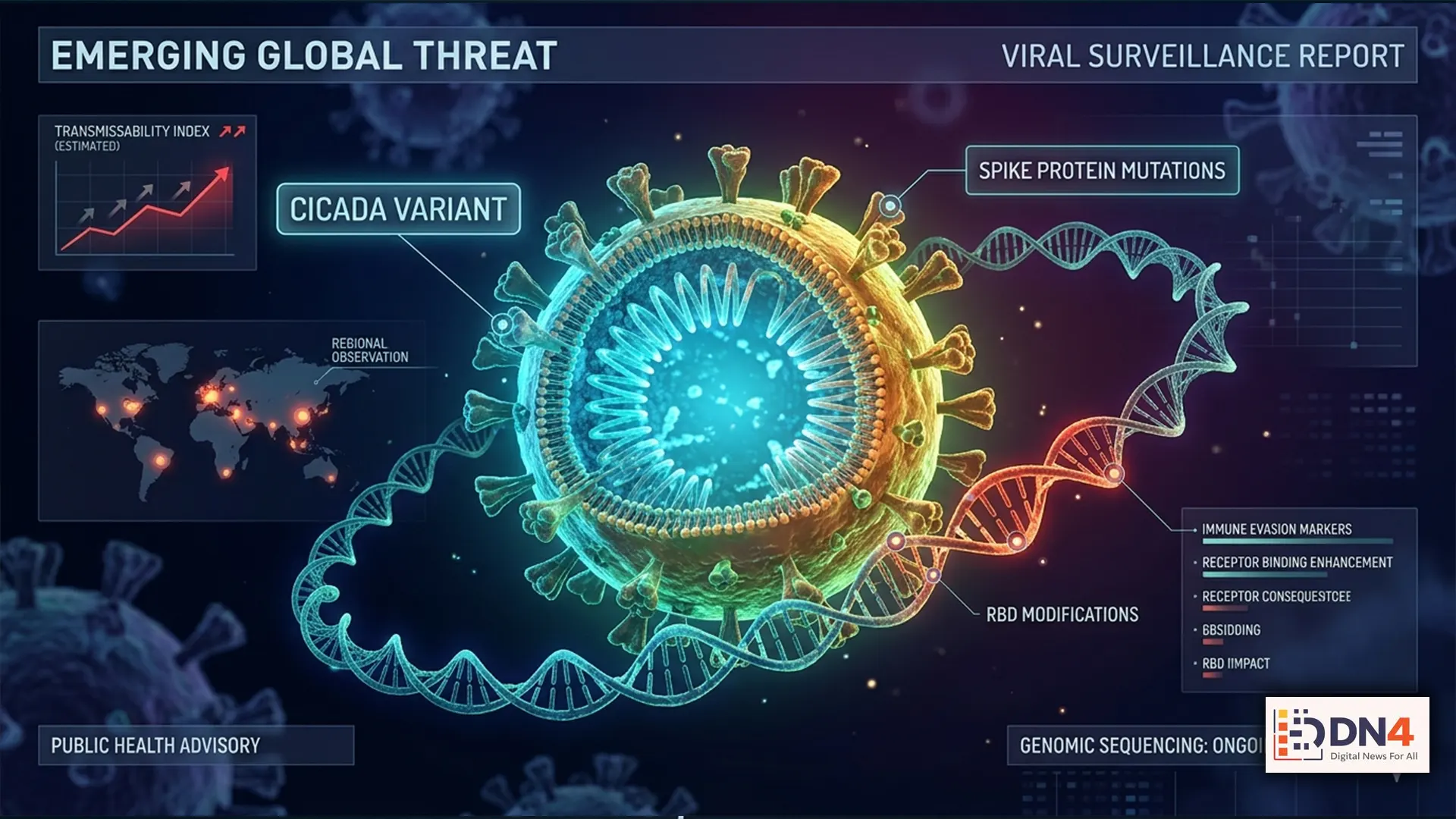
A new COVID variant nicknamed “Cicada” is starting to dominate headlines—and the name alone sounds dramatic enough to trigger flashbacks.
But before panic takes over, here is the more useful question: is this variant actually more dangerous, or is it simply different enough to attract attention?
Right now, health agencies and virologists are watching the BA.3.2 lineage closely because it appears heavily mutated compared with earlier JN.1-era strains. That has made it a topic of growing concern, especially as it spreads quietly across multiple regions.
Still, there is an important distinction between “worth monitoring” and “cause for alarm.” At this stage, the science points much more toward the first category than the second.
Why Is It Called the “Cicada” Variant?
The nickname did not come from an official government naming system. Instead, it caught on because the variant seemed to spread quietly in the background before suddenly drawing attention—much like cicadas that stay hidden for long periods before emerging in large numbers.
That framing helped the variant gain traction online, especially as media coverage picked up and people started looking for signs of a possible new wave.
It is worth noting that the World Health Organization’s official variant tracking system does not use insect nicknames as formal labels. Those names usually spread through public discussion, social media, and informal science communication.
What Makes This Variant Different?
The reason the Cicada variant is getting so much attention is simple: it carries a large number of mutations.

That does not automatically mean it is more severe. But it does raise two big questions:
- Can it spread more easily?
- Can it better dodge existing immunity from past infection or vaccination?
Those are the same questions scientists ask whenever a new lineage begins to grow faster than its rivals.
Recent public health assessments of other closely watched descendants—such as NB.1.8.1—show how agencies evaluate new variants: not just by mutation count, but by real-world spread, immune escape, and disease severity.
That last point matters most. A variant can look unusual in a lab and still fail to become a major public health threat.
Why It Is Dominating Headlines
There are three reasons this strain is getting so much media attention right now.
1. The Mutation Story Is Easy to Sell
Whenever experts describe a variant as “highly mutated,” it instantly becomes headline material. Mutation-heavy strains naturally trigger public concern because they raise fears about immune escape and vaccine mismatch.
2. It Fits the “Quiet Surge” Narrative
Part of the appeal—and anxiety—around the Cicada variant is that it appears to have spread quietly before many people noticed it. That makes it feel more mysterious than a typical seasonal uptick.
3. People Still Remember the Worst-Case Scenarios
COVID headlines still carry emotional weight. Even years later, many readers react quickly to anything that sounds like a possible repeat of earlier disruptive waves.
That helps explain why even preliminary reports can explode across social feeds before the full evidence is in.
What Do Health Authorities Say So Far?
So far, the broader pattern from major health agencies has remained relatively measured.
The European Centre for Disease Prevention and Control has previously emphasized that new Omicron-descendant variants under monitoring do not automatically mean a higher public health risk. That same principle applies here.
Meanwhile, the WHO’s vaccine composition guidance has continued to stress that updated vaccines remain an important layer of protection, especially against severe disease in older adults and higher-risk groups.
That is the key takeaway: mutation-heavy does not automatically mean more dangerous.

What Symptoms Are People Reporting?
At the moment, reports suggest the Cicada variant’s symptoms look broadly similar to other recent COVID strains.
That may include:
- Sore throat
- Cough
- Fever
- Fatigue
- Congestion
- Headache
- Sometimes stomach or gastrointestinal symptoms
As with previous variants, symptom severity can vary widely based on age, immune history, and underlying health conditions.
For current medical guidance, the CDC and local health authorities remain the best sources to follow.
Should You Be Worried?
Concerned? Reasonably, yes.
Panicked? Probably not.
The smarter response is to treat this as a reminder rather than a crisis signal. If you are older, immunocompromised, or around vulnerable family members, this is a good time to review your vaccine status, keep tests on hand, and stay home when sick.
For most people, the best approach is the same one public health experts have repeated for years: stay informed, not alarmed.
The “Cicada” variant is dominating headlines because it combines everything that grabs public attention: a memorable nickname, a long mutation list, and the fear of a stealthy new wave.
But headlines are not the same as evidence.
For now, the most important story is not whether this strain sounds scary. It is whether it actually changes real-world outcomes like hospitalizations and severe disease. That answer will depend on the data—not the drama.
#COVID19 #CicadaVariant #Coronavirus #PublicHealth #VariantWatch #HealthNews #ScienceExplained #VirusUpdate #StayInformed