

 By Vinod Ram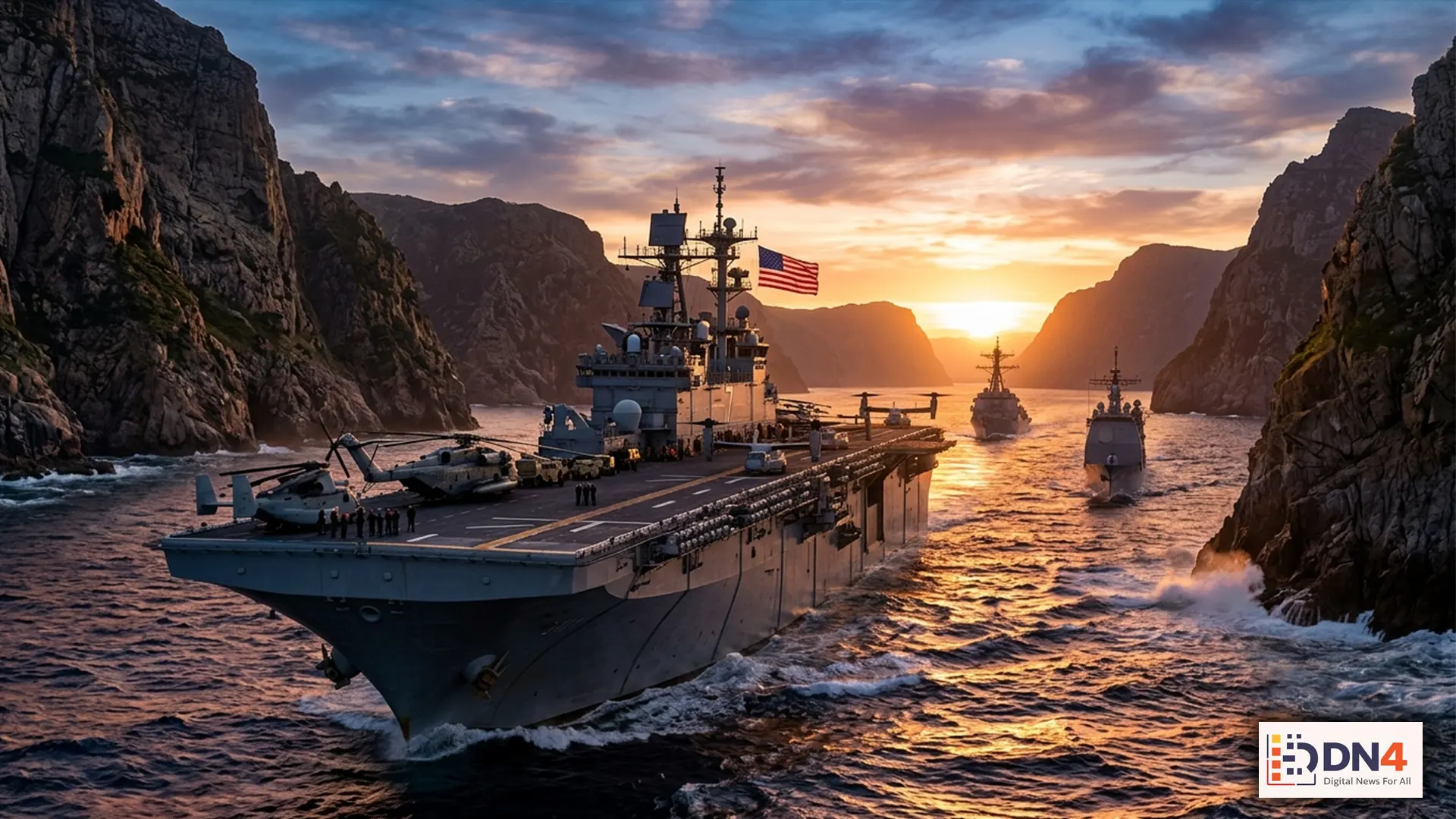
The recent transit of the USS Tripoli through the Singapore Strait on March 17 has sparked renewed interest in U.S. naval strategy and global military positioning.
This movement is more than routine—it offers insight into shifting geopolitical dynamics, particularly in relation to the Middle East and Indo-Pacific regions.
What Is the USS Tripoli?
The USS Tripoli (LHA-7) is an amphibious assault ship designed for rapid deployment of Marines, aircraft, and advanced military systems.
According to official updates from U.S. Navy, ships like the Tripoli play a critical role in expeditionary warfare and crisis response.
Why the Singapore Strait Matters
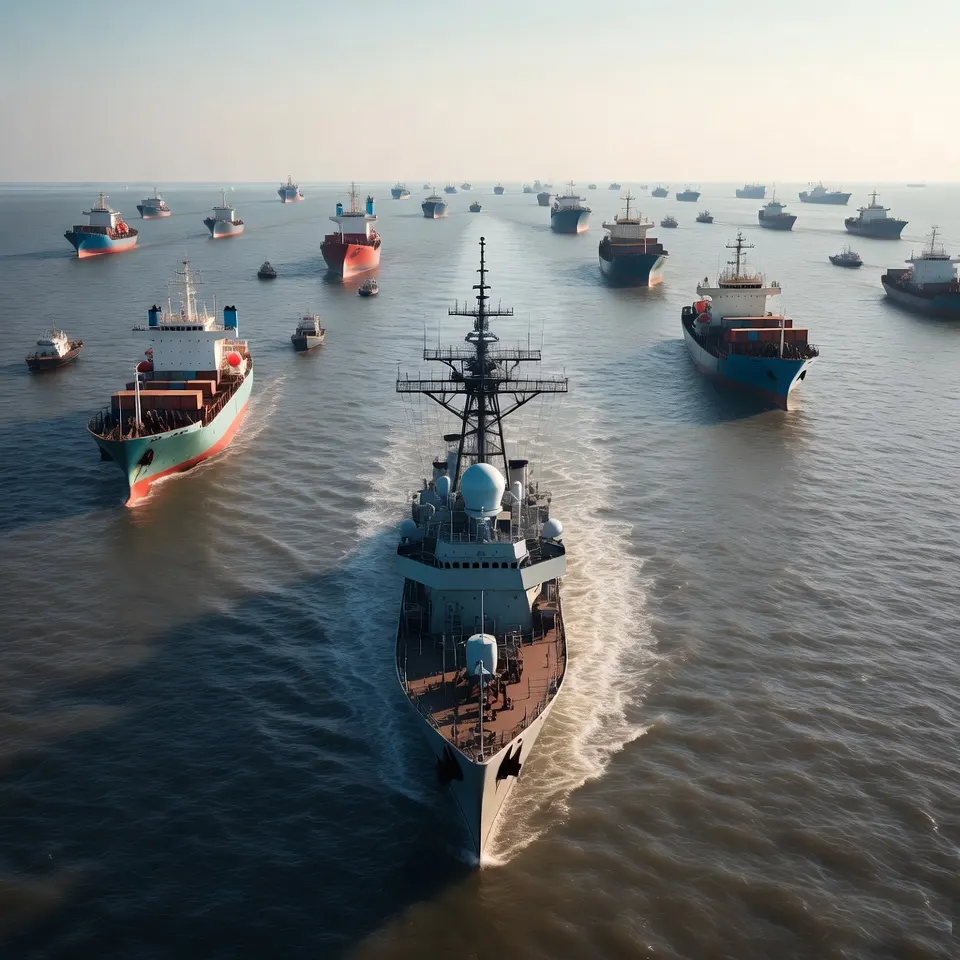
The Singapore Strait is one of the world’s busiest and most strategically important shipping lanes.
- Connects the Indian Ocean to the South China Sea
- Handles a significant portion of global trade
- Serves as a key transit route for military vessels
Geopolitical analysts at Center for Strategic and International Studies (CSIS) frequently highlight its importance in global security.
Strategic Implications for the Middle East
While the USS Tripoli’s presence in Southeast Asia may seem distant from the Middle East, it reflects broader U.S. force mobility.
- Rapid redeployment capability between regions
- Flexible response to emerging threats
- Strengthening allied coordination
Military mobility is a cornerstone of modern strategy, as discussed in reports by Brookings Institution.
Balancing Indo-Pacific and Middle East Priorities
The U.S. continues to balance its focus between:
- The Indo-Pacific (rising regional tensions)
- The Middle East (ongoing security commitments)
The movement of assets like the USS Tripoli suggests a dual-theater strategy—maintaining presence in both regions without overcommitment.
What This Means for Global Security
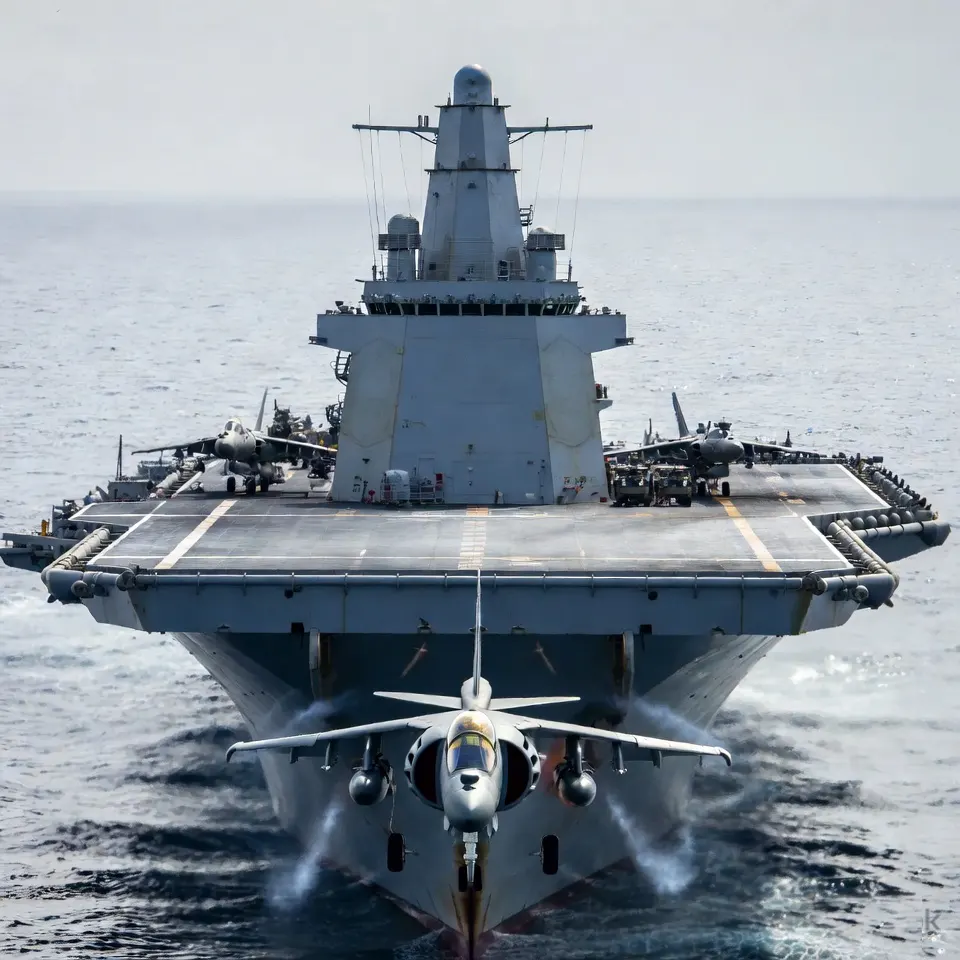
Naval deployments send strong strategic signals:
- Deterrence against potential adversaries
- Reassurance to allies
- Preparedness for crisis response
Defense coverage from Defense News emphasizes how such movements are closely monitored worldwide.
Key Takeaways
- USS Tripoli’s transit highlights global mobility of U.S. forces
- Singapore Strait remains a critical strategic chokepoint
- The U.S. is maintaining a flexible, multi-region military posture
The USS Tripoli’s movement is not just routine—it’s strategic signaling.
In an era of evolving geopolitical tensions, such deployments reflect a broader shift toward adaptability, speed, and global readiness.
For observers and analysts alike, this transit offers a glimpse into how modern naval power is being positioned for the challenges ahead.
#USSTripoli #Geopolitics #NavalStrategy #USNavy #MiddleEast #IndoPacific #GlobalSecurity #MilitaryNews