

 By Vinod Ram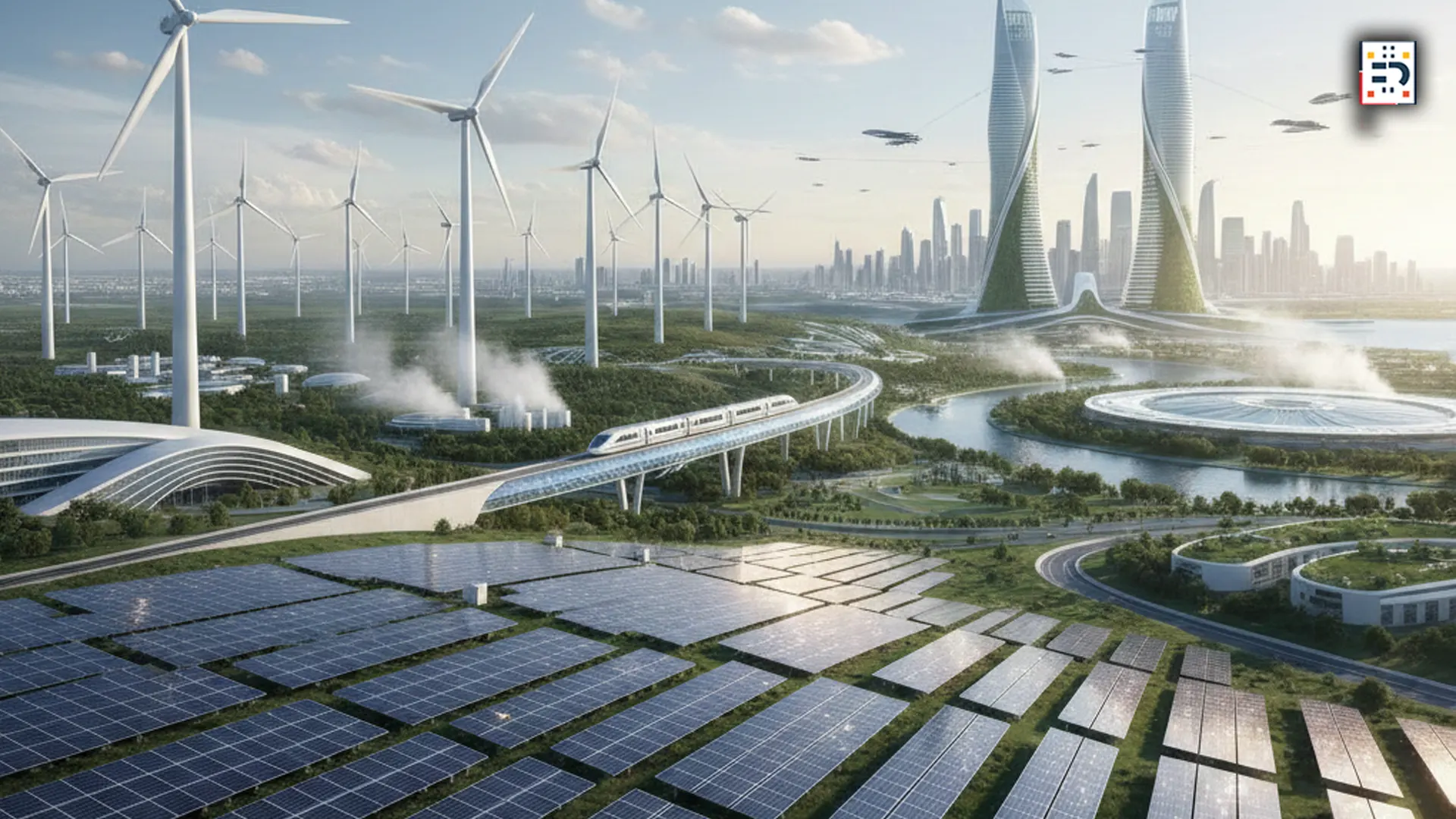
The clean energy revolution in the United States has been building momentum for more than a decade — but 2025 is shaping up to be the year the shift becomes irreversible. With unprecedented federal funding, record-high private investment, accelerating EV adoption, and large-scale renewable projects going live, the U.S. is rapidly transitioning into a green-tech-first economy.
This article explores whether 2025 truly marks the inflection point, what’s driving the shift, and what it means for consumers, investors, and the broader energy landscape.
Why 2025 Matters: The Perfect Convergence
Multiple forces are aligning in 2025 to push clean energy into mainstream dominance:
1. Historic Federal Investment
The Inflation Reduction Act (IRA) continues to pour billions into the U.S. energy ecosystem.
- Clean energy tax credits
- EV incentives
- Solar & wind development grants
- Domestic battery & semiconductor manufacturing support
For a breakdown of current U.S. clean energy incentives, refer to the U.S. Department of Energy’s overview
👉 U.S. Energy Department – Clean Energy Programs
2. Surging Private Capital
Venture capital and institutional investment in green tech startups hit new highs in late 2024 — especially in:
- EV battery technology
- Grid stabilization software
- Solar storage systems
- Hydrogen fuel innovation
- Carbon capture & removal startups
Major VC reports suggest 2025 will see continued acceleration in climate-tech funding.
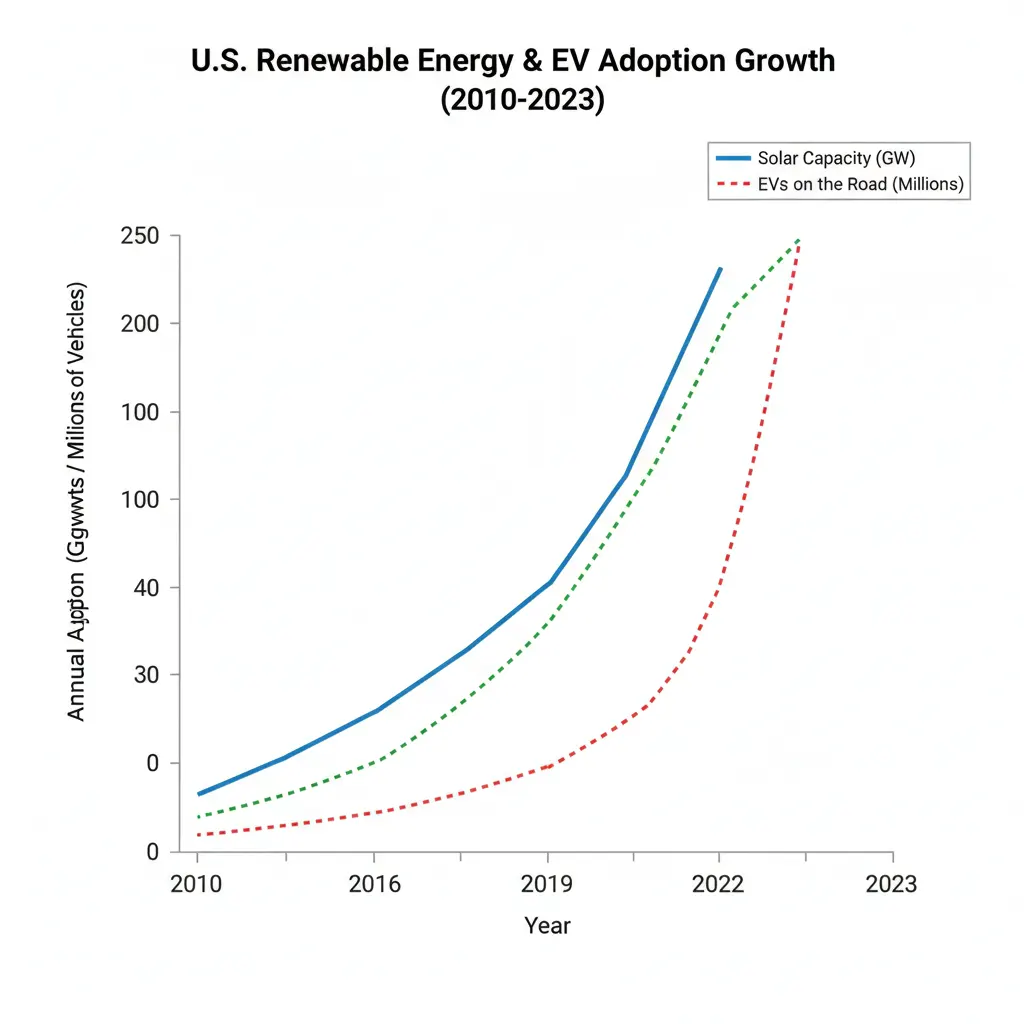
3. EV Adoption Is Entering Mass Market
More Americans than ever are ready to switch to electric vehicles.
Key drivers in 2025:
- Expanded charging infrastructure
- New mid-range, affordable EV models
- Better battery capacity
- Government tax credits
EV adoption data can be referenced via the Alternative Fuels Data Center
👉 U.S. AFDC — Electric Vehicle Data
4. Utility-Scale Solar & Wind Projects Are Going Online
Several large renewable installations will be fully operational by the end of 2025, increasing grid reliability and reducing fossil fuel dependence.
Examples include:
- Multi-gigawatt solar farms in California & Texas
- New wind corridors across the Midwest
- Offshore wind projects on East Coast
Economic Impact: Clean Energy as a Job Engine
Green tech is becoming a major driver of U.S. employment:
- Solar and wind technician roles among the fastest-growing US jobs
- Booming demand for engineers, EV technicians, AI energy modelers
- Manufacturing returning to the U.S. through IRA incentives
For labor statistics, see the U.S. Bureau of Labor Statistics
👉 BLS – Renewable Energy Jobs Outlook
2025 Market Outlook: Where the Opportunity Lies
1. Solar
Residential and commercial installations continue to rise due to falling costs and federal rebates.
2. Wind
The U.S. now ranks among the top countries in wind energy generation.
3. EV & Battery Tech
Solid-state batteries, lithium alternatives, and faster charging solutions dominate innovation cycles.
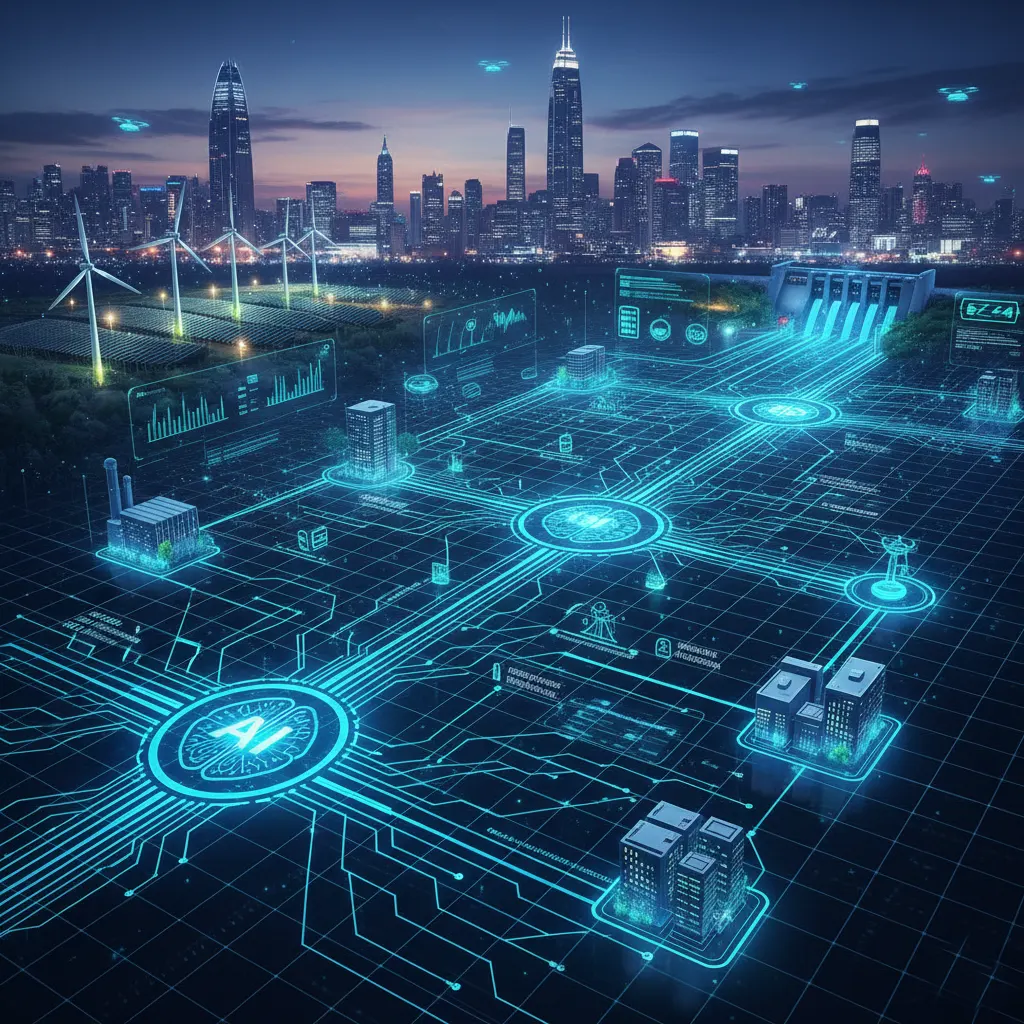
4. AI in Energy Management
Big opportunity segments include:
- Smart grids
- Predictive maintenance
- Energy usage optimization
- AI-powered home efficiency tools
5. Hydrogen & Carbon Capture
Early-stage but rising sharply — especially in industrial and transportation sectors.
Is 2025 the Turning Point?
All indicators point toward YES:
✔ Massive public & private investment
✔ Consumer adoption reaching critical mass
✔ Lower technology costs
✔ Major policy support
✔ Corporate sustainability pressure
2025 is on track to become the year where clean energy surpasses fossil fuels in new investment and deployment across much of the U.S.
Potential Roadblocks
While the outlook is strong, several challenges remain:
- Grid capacity limitations
- Local permitting delays
- Supply chain fluctuations
- Policy reversals depending on administration shifts
- High initial adoption cost for EVs and solar systems
What This Means for Consumers & Businesses
Homeowners:
- Lower long-term energy costs
- Eligibility for federal & state incentives
- Improved access to solar + battery systems
Businesses:
- Corporate tax benefits for renewable adoption
- Lower operating costs via energy efficiency
- Opportunities for ESG-driven financing
Investors:
- Growth in green ETFs and renewable energy stocks
- Demand for sustainable bonds
- Rising valuations in climate-tech startups
If current momentum continues, 2025 will be remembered as the year the U.S. officially crossed into a clean energy future. With declining costs, expanding access, and government-backed incentives, green tech is no longer niche — it’s becoming the backbone of America’s next economic boom.
#GreenTech #CleanEnergy #USAEnergy #RenewableFuture #ClimateTech #SolarEnergy #WindEnergy #EVRevolution #SustainableTech #EnergyTransition