

 By Vinod Ram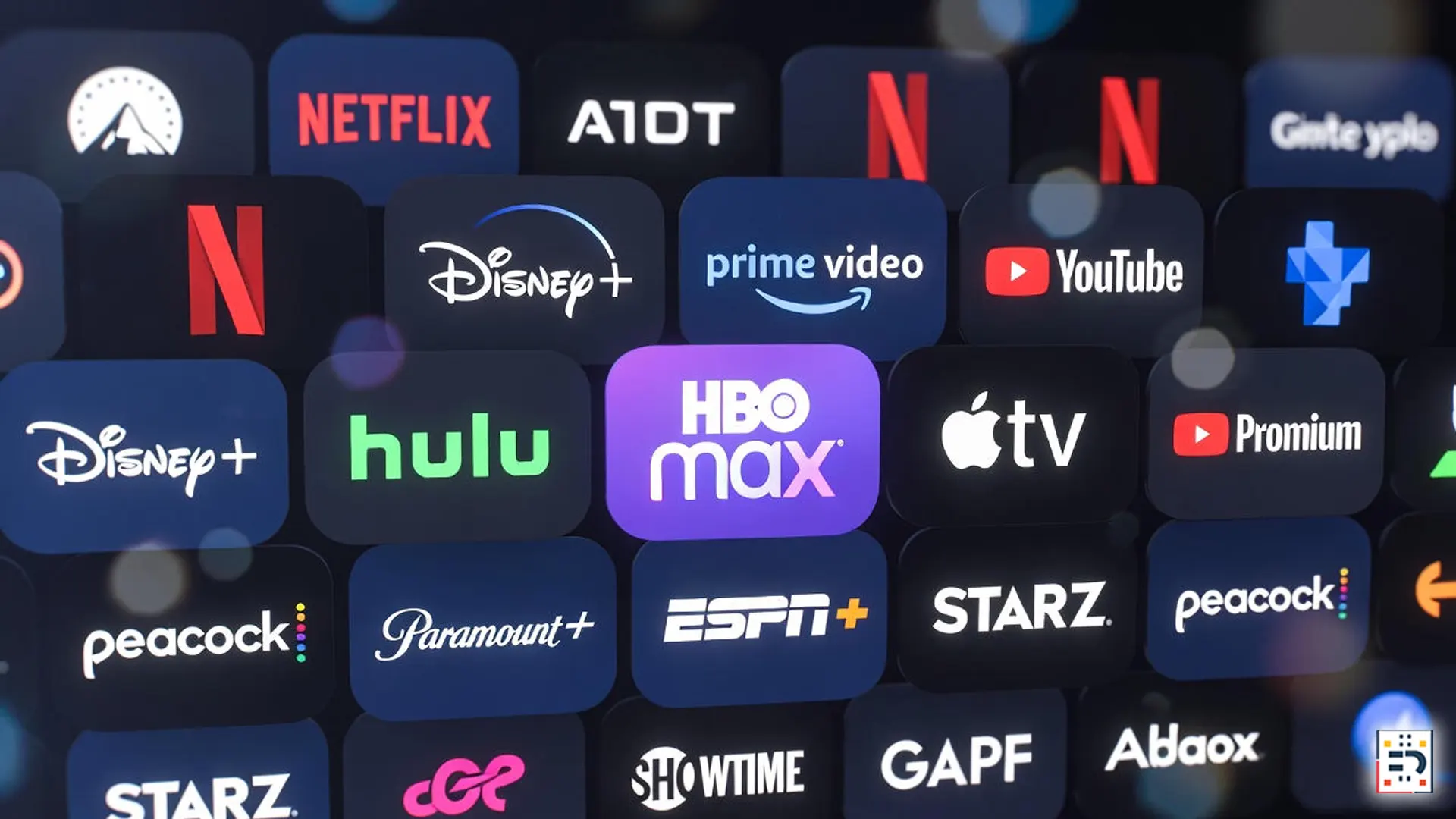
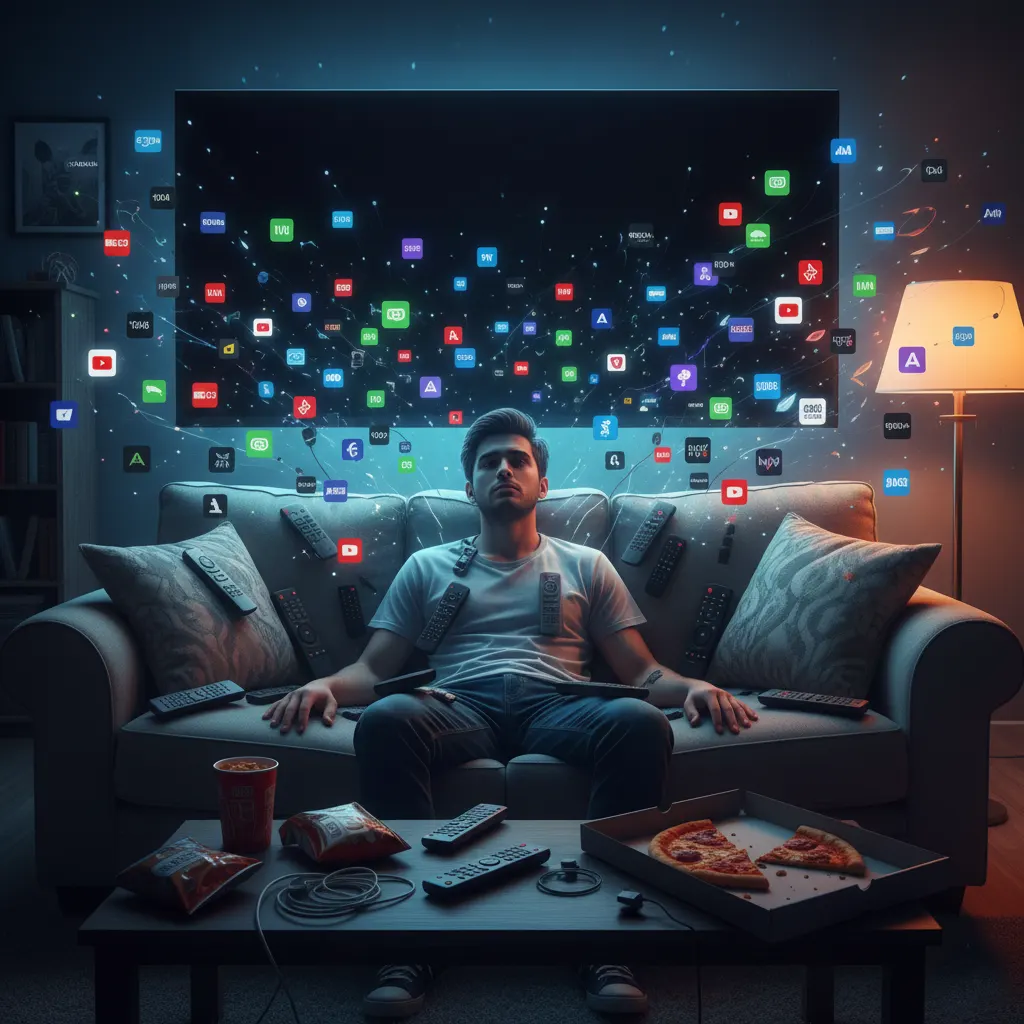
For years, subscription fatigue has haunted the streaming industry. Viewers love choice — but not endless bills, fragmented libraries, and half-finished shows spread across too many platforms.
Now, as consolidation reshapes global media, industry analysts are increasingly asking a provocative question: could a Netflix–Warner Bros. combination finally rebuild television?
While no merger has been finalized, ongoing consolidation trends across global media companies suggest that fewer, stronger platforms — not more subscriptions — may define the next era of TV.
What Is Subscription Fatigue — and Why It’s Failing Viewers
Subscription fatigue happens when consumers feel overwhelmed by the number of paid services required to access content they care about. In high-income markets like the US, UK, and Canada, households often juggle four or more streaming subscriptions.
According to consumer trend data tracked by Statista, churn rates spike whenever prices rise or hit shows disappear behind paywalls.
- Too many platforms, not enough time
- Rising monthly costs
- Content fragmentation
- Declining brand loyalty
The result? Viewers cancel, rotate subscriptions, or abandon platforms entirely.
Why Industry Consolidation Is Inevitable
The streaming gold rush is over. Growth-at-all-costs has given way to sustainability, profitability, and retention.
Major players like Netflix and Warner Bros. Discovery already dominate different sides of the market — one built on global scale and technology, the other on premium IP and legacy franchises.
Media analysts at Variety and The Wall Street Journal have repeatedly pointed out that long-term survival favors fewer, broader platforms with diversified revenue streams.
What a Netflix–Warner Bros. Combination Would Actually Solve
A hypothetical Netflix–Warner Bros. merger wouldn’t just be about size — it would be about fixing structural problems in modern TV.
1. One Platform, Fewer Bills
Combining Netflix’s global reach with Warner Bros.’ deep content library — from HBO to DC — could dramatically reduce the need for multiple subscriptions.
2. Premium IP Meets Global Distribution
Warner Bros. owns some of the most valuable franchises in entertainment history, while Netflix excels at worldwide distribution and personalization algorithms.
Together, they could create a platform that rivals traditional cable bundles — without the cable frustrations.
3. Advertising-Supported Streaming at Scale
Both companies already invest heavily in ad-supported streaming models. A combined service could offer advertisers a single, premium destination with massive reach.
Why Viewers in High-Income Markets Would Benefit Most
In Tier-1 countries, consumers are less price-sensitive — but more value-sensitive. They want fewer decisions, better content, and seamless experiences across devices.
Search interest for smart TVs, home entertainment systems, and bundled broadband + streaming packages continues to rise.
- Simplified subscriptions
- Stronger original programming
- Improved recommendation quality
- Better value per dollar

What This Means for the Future of Television
If subscription fatigue truly ends, TV may come full circle — back to fewer platforms, bigger audiences, and shared cultural moments.
Instead of chasing endless sign-ups, platforms would compete on:
- Content quality
- User experience
- Global storytelling
- Advertising efficiency
As analysts at McKinsey note, consolidation often marks the moment an industry matures.
The End of Fatigue, the Return of TV
Whether or not a Netflix–Warner Bros. merger ever happens, the direction is clear. Viewers want fewer subscriptions, stronger libraries, and less friction.
The death of subscription fatigue won’t come from adding another app — it will come from rebuilding TV around scale, simplicity, and storytelling.
And in that future, consolidation may not be the enemy of creativity — but its survival strategy.
#SubscriptionFatigue #StreamingWars #Netflix #WarnerBros #FutureOfTV #MediaTrends #StreamingIndustry #DigitalMedia