

 By Vinod Ram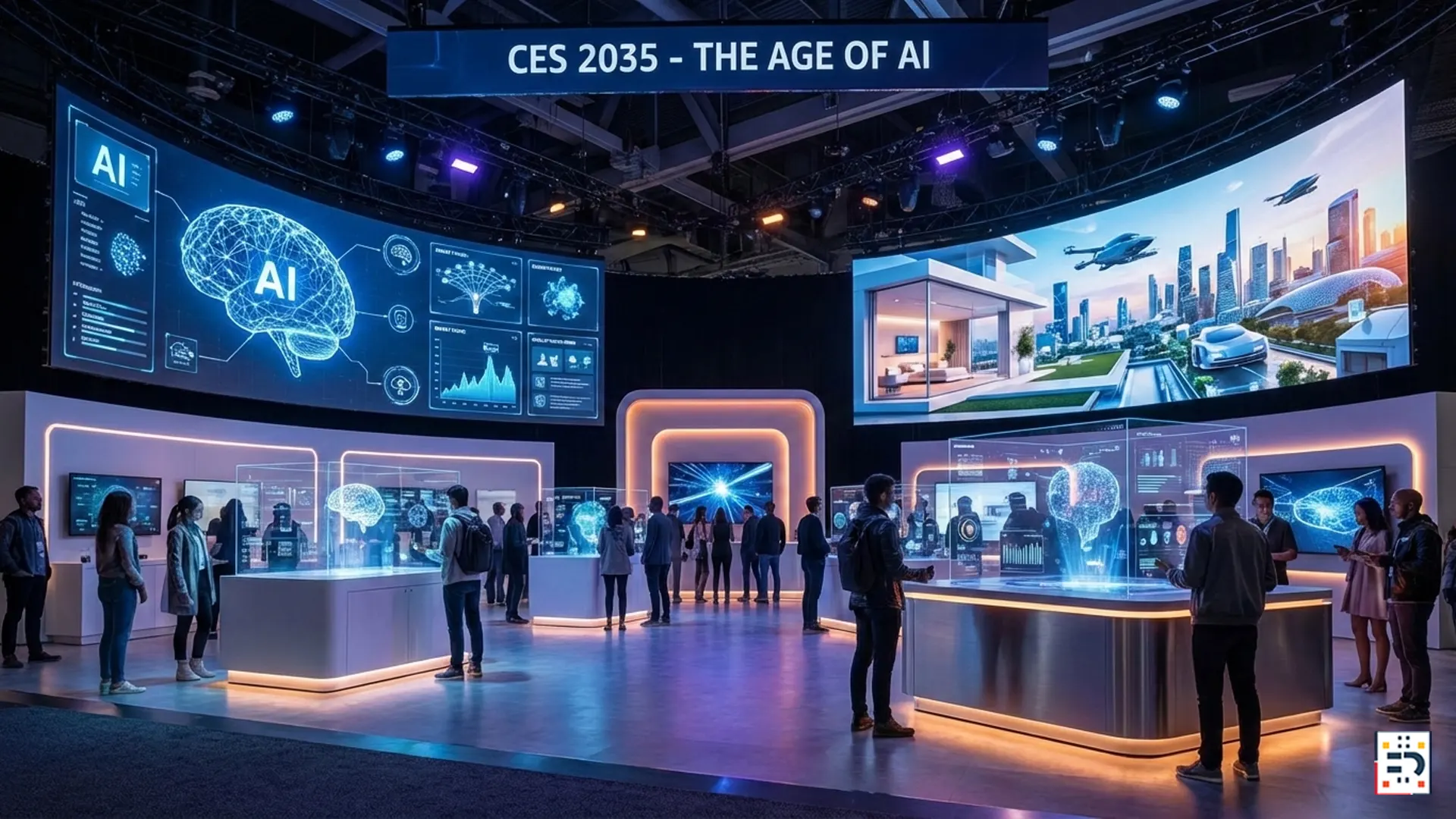
CES 2026 — the world’s largest consumer technology show — officially kicks off on Tuesday, January 6. But the real action starts earlier.
Beginning Sunday, January 4, pre-show media events from major tech players will begin shaping the narrative for the year ahead. And early signals suggest one theme will dominate everything: the rise of the AI agent.
Companies like Samsung and LG are already teasing next-generation Micro RGB televisions and autonomous AI systems capable of managing your home — without relying on a smartphone.
According to the official CES organizers, 2026 is expected to be one of the most AI-forward editions of the show in its history.
Why CES 2026 Is a Turning Point for AI
Artificial intelligence has been present at CES for years, but 2026 marks a shift from tools to agents.
Unlike traditional AI assistants, AI agents are designed to:
- Operate independently
- Make contextual decisions
- Coordinate multiple devices
- Act without constant user input
Analysts at McKinsey have described AI agents as the next major evolution in consumer and enterprise AI — moving from reactive systems to proactive digital operators.
The “AI Agent” Takes Center Stage
At CES 2026, AI agents are expected to move beyond voice commands and phone apps.
Early previews suggest these systems will be capable of managing:
- Smart home environments
- Energy usage and climate control
- Security and monitoring
- Entertainment and media preferences
Instead of tapping a screen, users interact with an AI layer that understands habits, schedules, and preferences — quietly working in the background.
This shift aligns with broader trends highlighted by The Verge, where frictionless, ambient computing is replacing app-centric design.
Samsung and LG Tease “Micro RGB” TVs
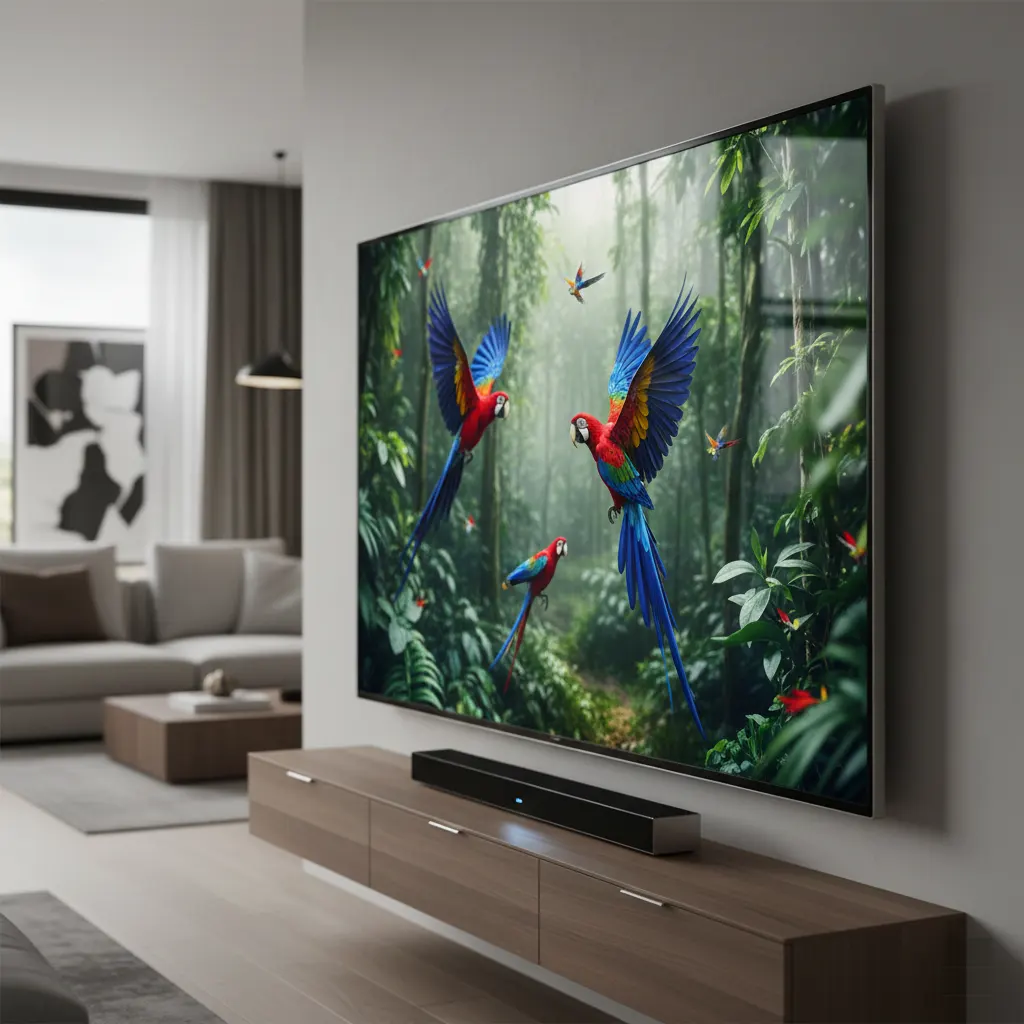
Display technology is also entering a new era. Both Samsung and LG are teasing advances in Micro RGB television panels ahead of CES 2026.
According to previews from Samsung Newsroom and LG Newsroom, Micro RGB aims to improve:
- Color accuracy
- Brightness control
- Energy efficiency
- Panel longevity
When paired with AI-driven picture processing, these displays promise more than visual upgrades — they become intelligent screens that adapt content in real time.
The Smart Home Without a Phone
One of the most disruptive ideas emerging ahead of CES 2026 is the concept of a phone-free smart home.
AI agents embedded into TVs, appliances, and home hubs could remove the need for constant app interaction. Instead, homes respond automatically based on behavior and environment.
Industry observers from Fast Company note that this represents a major shift away from notification-driven technology toward invisible automation.
For consumers, this could mean:
- Less screen fatigue
- More seamless automation
- Greater accessibility
- Smarter energy use

Why CES “Pre-Show” Events Matter More Than Ever
While CES officially opens January 6, many of the most important announcements happen during pre-show briefings.
Companies use these early events to:
- Control the narrative
- Demonstrate prototypes privately
- Seed media coverage before the show floor opens
As covered by Reuters Technology, pre-show reveals increasingly set the tone for the entire conference.
CES 2026 Sets the Stage for an Agent-Driven Future
CES has always been about what’s next. But CES 2026 feels different.
Between autonomous AI agents, intelligent displays, and phone-free smart homes, the show points toward a future where technology doesn’t demand attention — it quietly works for you.
As pre-show events begin January 4 and the doors officially open January 6, one thing is clear: the age of the AI agent has arrived.
#CES2026 #AIAgents #SmartHomeTech #FutureOfAI #TechTrends #ConsumerTech