

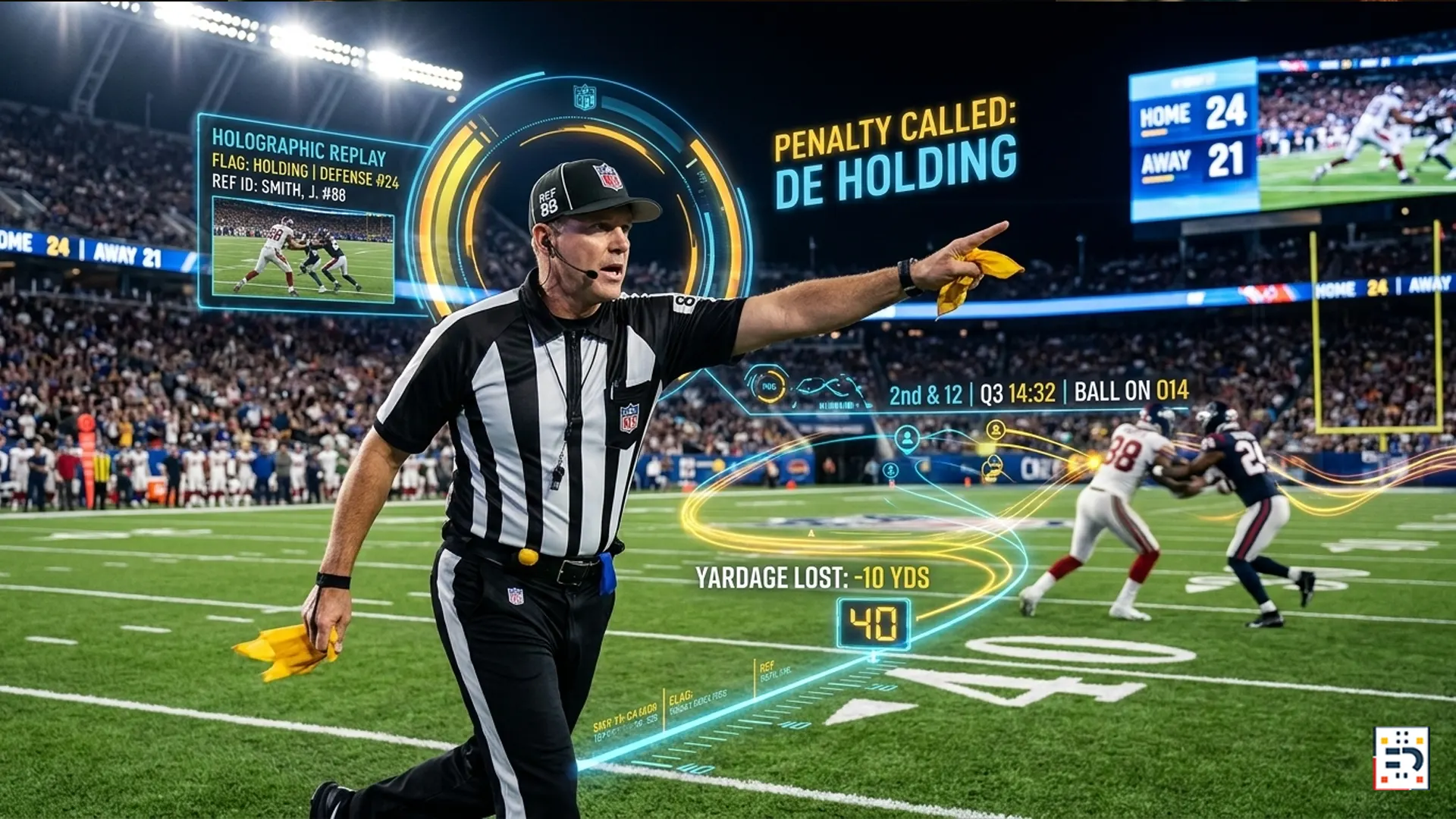
The debate over missed pass interference calls, questionable roughing-the-passer penalties, and disputed touchdowns has followed the National Football League (NFL) for decades. But in 2026, a new question is gaining momentum: Can artificial intelligence finally fix the league’s most controversial blown calls?
With advances in computer vision, real-time data tracking, and predictive analytics, the NFL is entering what many analysts are calling Officiating 2.0.
Why Blown Calls Became a League-Wide Crisis
High-profile officiating mistakes have shifted playoff outcomes and even Super Bowl narratives. In an era of ultra-high-definition broadcasts and social media slow-motion breakdowns, fans scrutinize every frame.
The introduction of instant replay helped, but it didn’t eliminate controversy. Replay systems still rely on human interpretation — and that’s where AI enters the conversation.
How AI Is Changing NFL Officiating
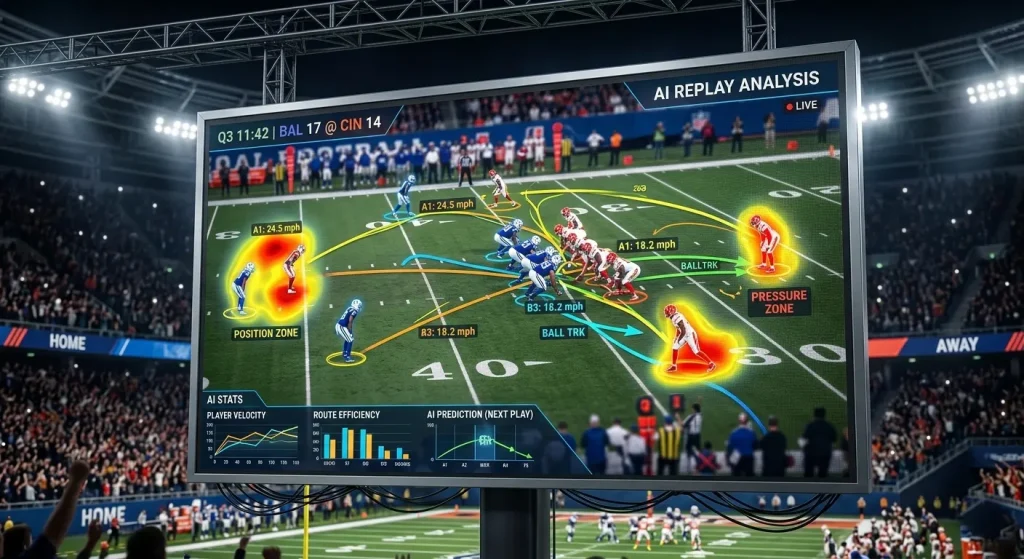
AI-powered officiating tools use:
- Computer Vision: Tracking ball placement, player contact, and boundary lines.
- Real-Time Data Sensors: Monitoring player positioning and motion.
- Automated Pattern Detection: Flagging potential fouls instantly.
The league has partnered with tech providers to enhance tracking systems originally developed for Next Gen Stats. According to NFL Next Gen Stats, player tracking chips already record location data multiple times per second.
What AI Can Fix — And What It Can’t
1. Objective Calls
AI excels at boundary decisions, first-down measurements, and goal-line detection — areas where precision matters more than judgment.
2. Subjective Penalties
Pass interference and holding remain difficult. These calls involve intent and context, which algorithms still struggle to interpret consistently.
Even in sports like tennis, where systems such as Hawk-Eye revolutionized line calls, human oversight remains essential.
Player and Fan Reactions
Players are divided. Some welcome greater consistency. Others worry about over-automation removing the human element from the game.
Fans, meanwhile, crave fairness — but not at the cost of slowing down gameplay. The league must balance transparency, speed, and entertainment value.
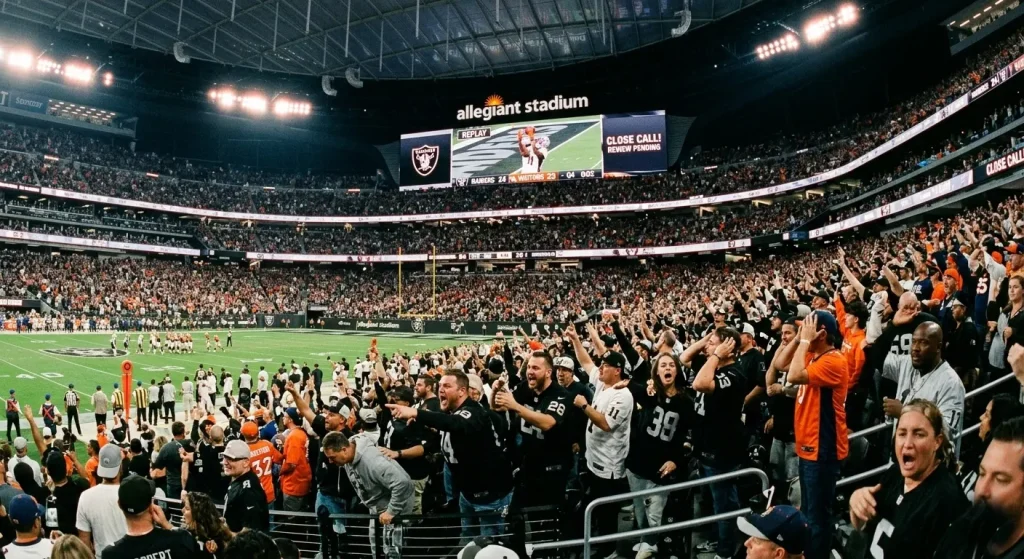
The Business Angle: Why the NFL Needs AI
Officiating controversies don’t just affect competitive integrity — they impact:
- Broadcast ratings
- Sports betting markets
- Sponsorship trust
- League credibility
With legalized sports betting expanding across the United States, precision officiating has financial implications. The integrity of outcomes directly influences wagering confidence.
Is Full Automation Coming?
For now, AI acts as an assistant rather than a replacement. The league appears committed to hybrid systems: machine precision combined with human judgment.
The future may include:
- Automated ball spotting
- Instant offside detection
- Real-time foul probability alerts to officials
But a fully AI-refereed NFL game? That remains unlikely — at least in the near term.
NFL Officiating AI represents the league’s boldest step yet toward reducing blown calls. While technology can improve accuracy in objective decisions, football’s subjective nature ensures that human judgment won’t disappear anytime soon.
Officiating 2.0 isn’t about replacing referees — it’s about restoring trust in the game.
#NFL #AIInSports #SportsTech #FootballDebate #Officiating