

 By Vinod Ram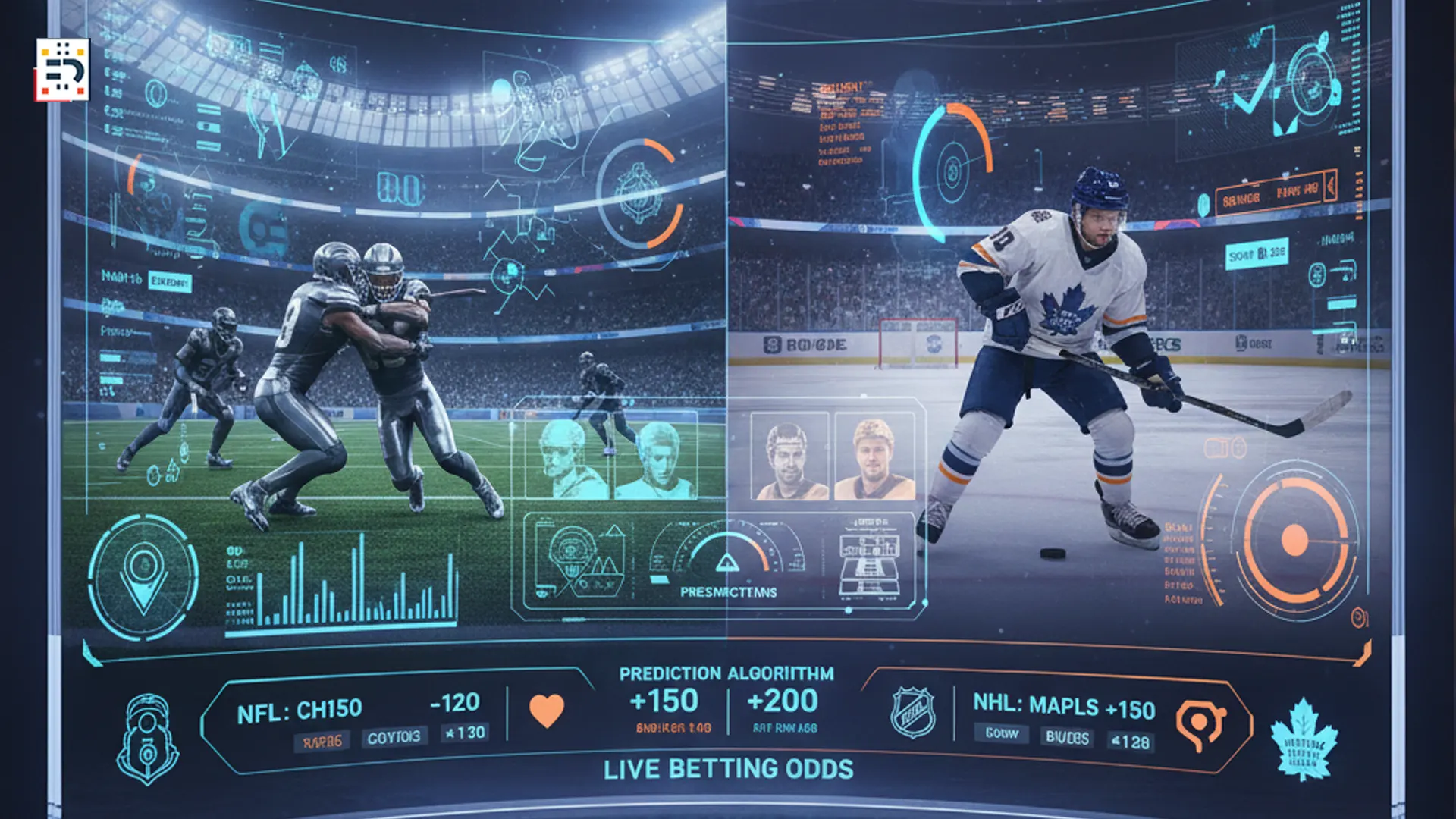
Sports aren’t just watched anymore — they’re tracked, analyzed, and predicted in real time. As the 2026 NFL finale approaches and the NHL leans deeper into advanced analytics, fans are experiencing games through betting odds, biometric data, and second-screen stats that fundamentally change how competition is consumed.
From live win probabilities to heart-rate tracking and micro-moment betting, the modern sports broadcast now resembles a data dashboard as much as a game.
This shift isn’t accidental. It’s the result of technology, legalization, and fan behavior converging — and it’s redefining sports media forever.
The Rise of Data-Driven Sports Viewing
For decades, fans relied on box scores and highlights. Today, viewers demand real-time insights powered by sports analytics, AI modeling, and predictive data layers.
Broadcasters increasingly integrate live stats sourced from platforms like official NFL statistics and advanced NHL metrics to keep fans engaged beyond the scoreboard.
- Live win probability models
- Player efficiency tracking
- Real-time matchup simulations
- Second-screen analytics experiences
How Sports Betting Changed the Broadcast
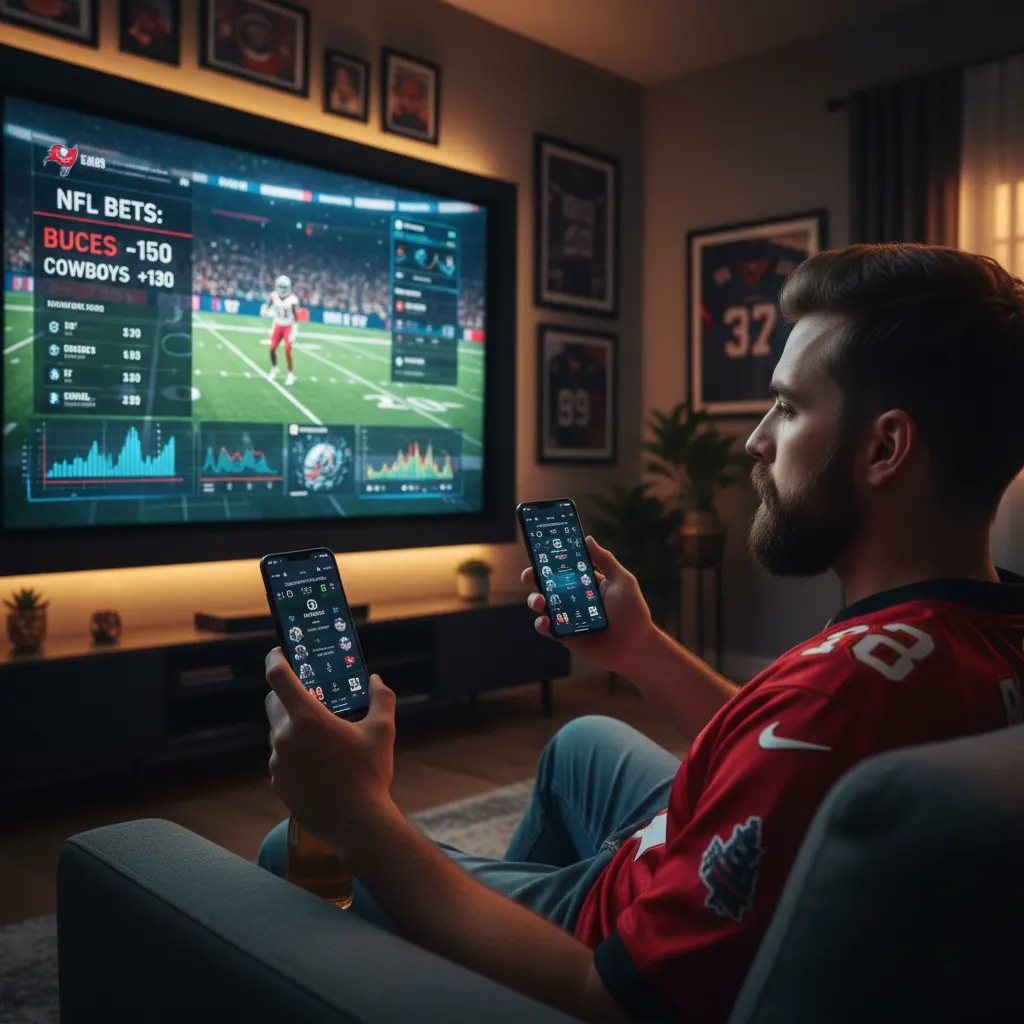
The legalization of sports betting across major U.S. markets has reshaped how games are presented. Odds are no longer hidden — they’re front and center.
According to coverage from ESPN Chalk, betting data now influences camera angles, graphic packages, and commentary timing.
During marquee events like the NFL finale, fans track:
- Live point spreads
- Player prop odds
- In-game momentum swings
- Betting market reactions
Platforms such as Action Network and FanDuel have become second-screen companions for millions of viewers.
Biometrics: The Next Frontier of Fan Insight
Beyond betting, biometric data is quietly transforming elite sports. Teams now track everything from heart rate variability to fatigue levels.
The NHL, in particular, has embraced wearable technology and puck-tracking systems developed with partners like Catapult Sports and Sportradar.
These systems generate insights such as:
- Skating speed and acceleration
- Shift length and recovery time
- Player workload and injury risk
- Reaction time under pressure
While much of this data remains team-controlled, broadcasters are increasingly finding ways to surface fan-friendly versions during live games.
The 2026 NFL Finale: A Perfect Storm of Tech and Tension
The 2026 NFL finale is expected to be one of the most data-rich sporting events ever broadcast.
With expanded partnerships across streaming platforms, sportsbooks, and analytics firms, fans will likely see:
- Real-time win probability graphics
- AI-generated play predictions
- Integrated betting insights
- Personalized viewing feeds
Industry analysts at Sports Business Journal note that the NFL views data-enhanced viewing as key to attracting younger, digital-native audiences.
Why This Changes the Emotional Experience of Sports
With more data comes a different kind of tension. Fans aren’t just reacting — they’re anticipating.
Knowing a team’s win probability has dropped to 12%, or that a player’s fatigue index is spiking, reshapes how moments are felt.
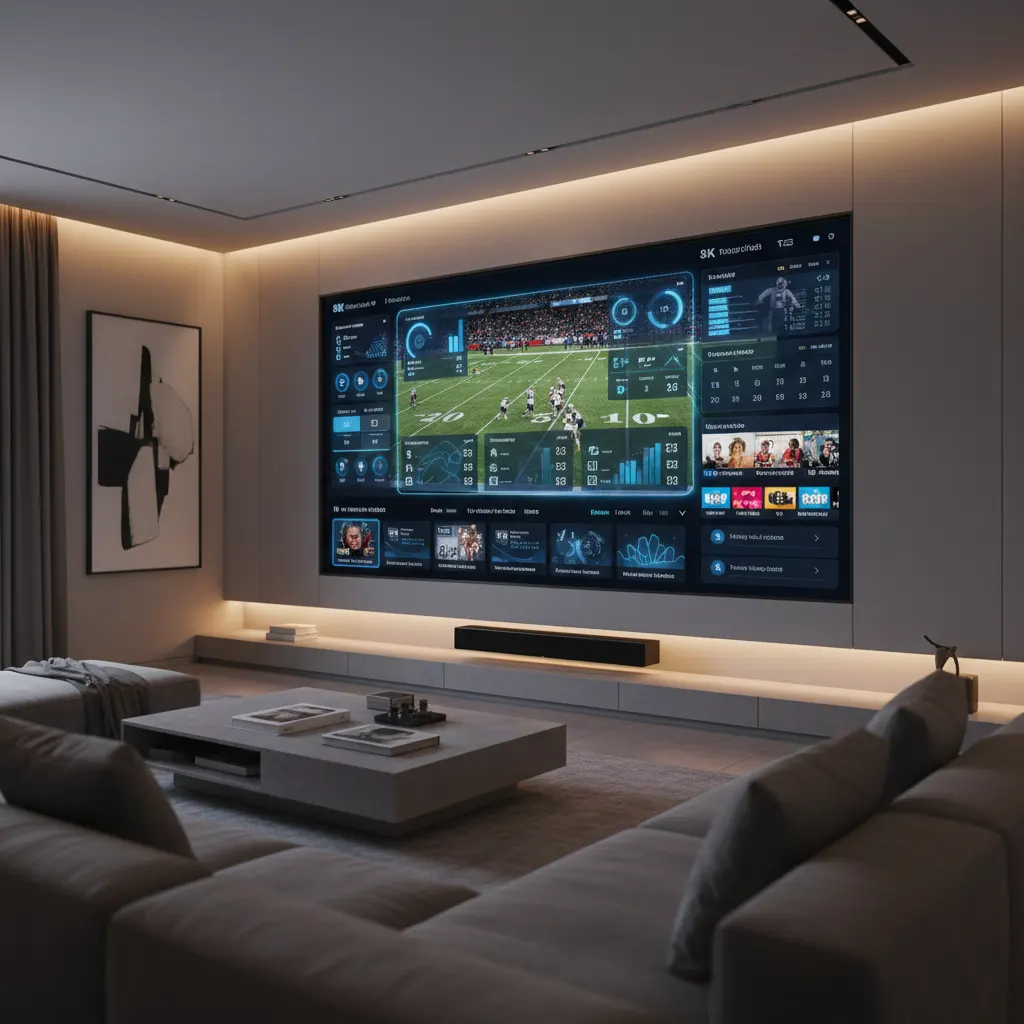
According to research cited by McKinsey, data-enhanced experiences increase engagement time — but also change emotional dynamics.
- More informed fandom
- Higher engagement during slow moments
- Deeper investment in individual plays
The Future: Fans as Analysts
As analytics, betting, and biometrics continue to merge, fans are becoming amateur analysts — interpreting data in real time and debating probabilities instead of gut feelings.
The line between watching and participating is blurring, especially as interactive features expand across next-generation streaming platforms.
In this new era, the question isn’t whether data belongs in sports broadcasts — it’s how much is too much.
How We Watch Has Changed Forever
From betting odds to biometric overlays, the way fans experience sports is evolving fast. The 2026 NFL finale and the NHL’s analytics revolution are proof that data is now as central to the game as the athletes themselves.
For better or worse, modern sports viewing is no longer just about the final score — it’s about understanding why it happened, before it even does.
#SportsAnalytics #SportsBetting #NFLFinale #NHLStats #FutureOfSports #StreamingSports #DigitalSports