

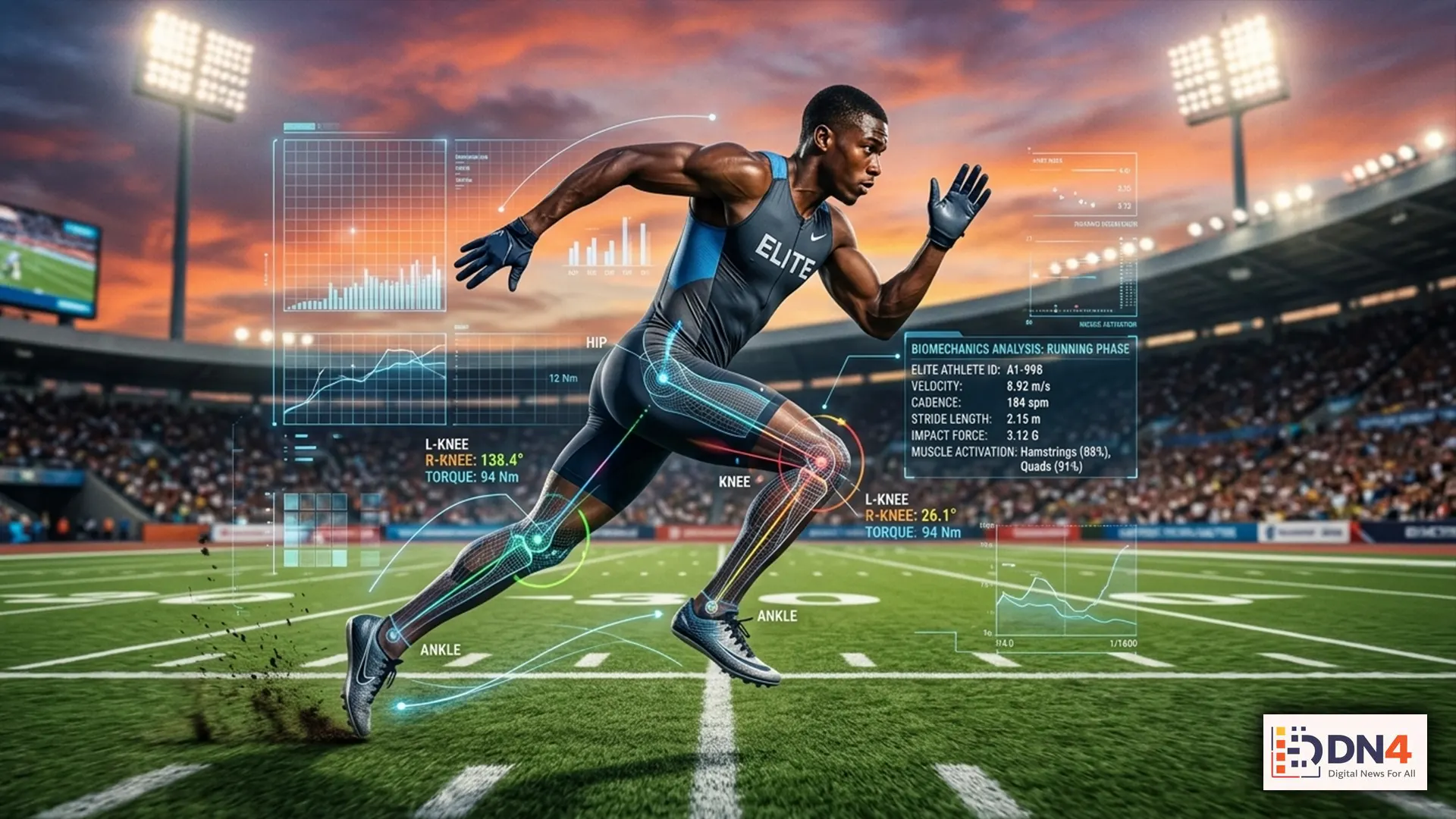
For decades, ACL injuries have been among the most devastating setbacks in professional sports. A torn anterior cruciate ligament can sideline athletes for months and sometimes permanently impact their performance.
But a new wave of artificial intelligence technology is beginning to change that reality. Advanced analytics systems that monitor athletes in real time are now helping coaches and sports scientists identify dangerous movement patterns before injuries occur.
According to emerging sports science research, these systems may reduce ACL injury rates by as much as 40%.
Organizations studying sports medicine and biomechanics continue to highlight how data-driven monitoring can help prevent serious injuries such as ACL injuries.
Why ACL Injuries Are So Common in Sports
The anterior cruciate ligament plays a crucial role in stabilizing the knee joint. Rapid direction changes, sudden stops, and explosive jumps place enormous stress on this ligament.
Sports like soccer, basketball, and American football have historically reported high ACL injury rates because these movements are central to the game.
Sports medicine specialists continue to analyze injury patterns through biomechanics research in fields like sports medicine and athlete performance science.
Until recently, many injuries occurred without warning signs that coaches could easily detect.
How AI Tracks Injury Risk in Real Time
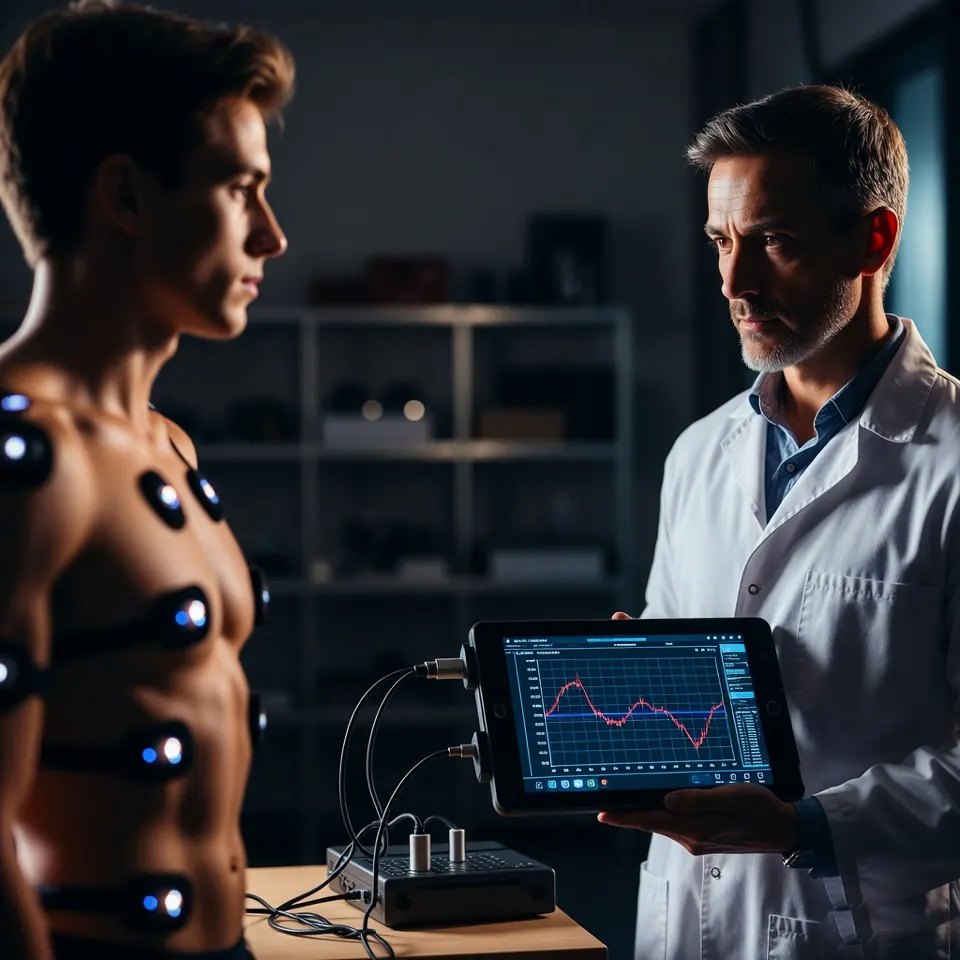
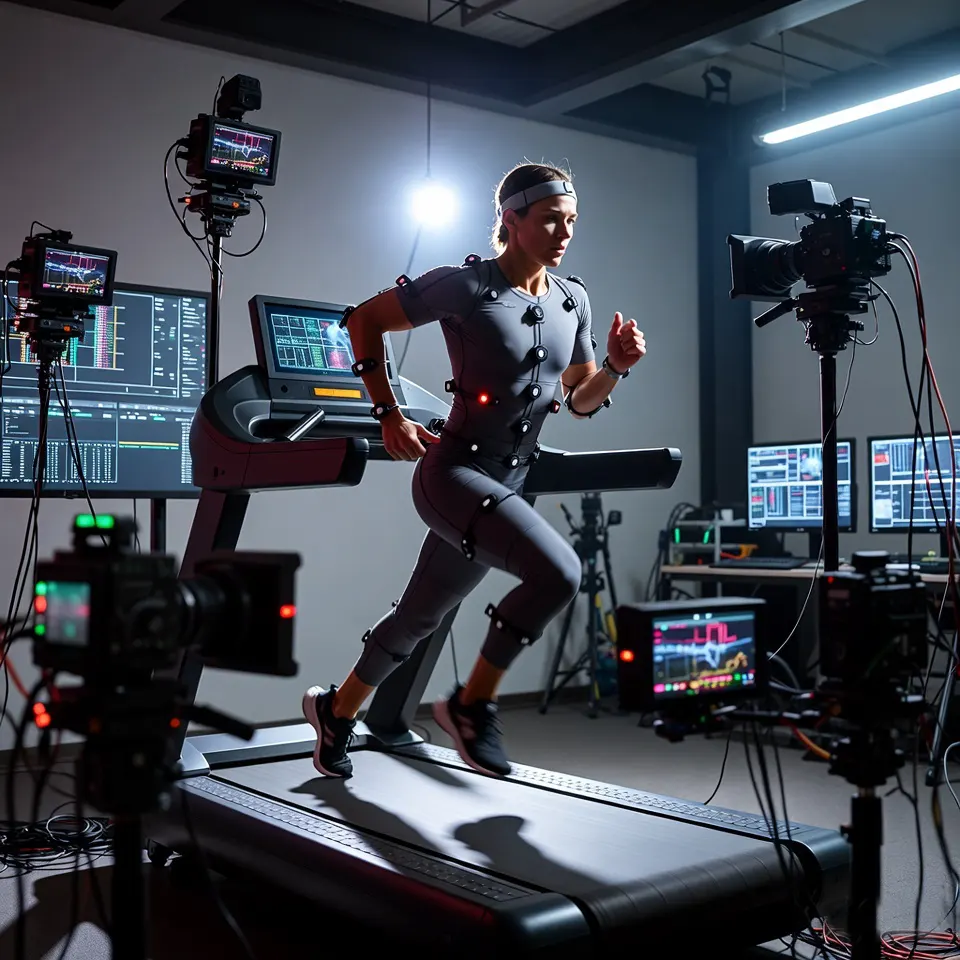
Modern sports AI systems rely on wearable sensors, motion-capture cameras, and machine learning algorithms to track athlete movements during training and games.
These tools can analyze key performance indicators including:
- Knee joint angle during jumps and landings
- Balance and muscle fatigue
- Acceleration and deceleration forces
- Movement symmetry between legs
Using machine learning, the system identifies patterns that historically lead to ligament stress.
If an athlete’s movement begins to resemble a high-risk pattern, coaches can intervene immediately by adjusting training intensity or technique.
Wearable Technology Changing Sports Training
Many professional teams now rely on wearable performance sensors embedded in compression clothing, smart insoles, or lightweight tracking devices.
These systems collect thousands of data points every minute.
Performance analysts combine this information with video analysis and AI algorithms to create personalized training programs that minimize injury risk.
Research organizations studying athlete performance, including groups like the National Center for Biotechnology Information, have increasingly explored how predictive analytics can improve sports safety.
Why Teams Are Investing Heavily in AI Sports Science
Professional sports franchises invest millions of dollars in their players. Preventing injuries is therefore both a health priority and a financial necessity.
AI-powered injury prevention tools allow teams to:
- Extend player careers
- Reduce rehabilitation costs
- Improve performance consistency
- Maintain competitive rosters throughout the season
In leagues where championship margins are incredibly small, even slight improvements in player availability can change the outcome of an entire season.
The Future of AI in Sports Medicine
Experts believe this technology is only the beginning.
As AI models continue to improve, future systems may predict injuries days or even weeks before they occur by analyzing long-term biomechanical trends.
Sports science laboratories around the world are also exploring how artificial intelligence could improve rehabilitation programs after injuries occur.
For athletes, coaches, and fans alike, the rise of AI-powered injury prevention may represent one of the most important technological breakthroughs in modern sports.
#AIForAthletes #SportsTechnology #ACLInjuryPrevention #SportsScience #AthletePerformance #ArtificialIntelligence