

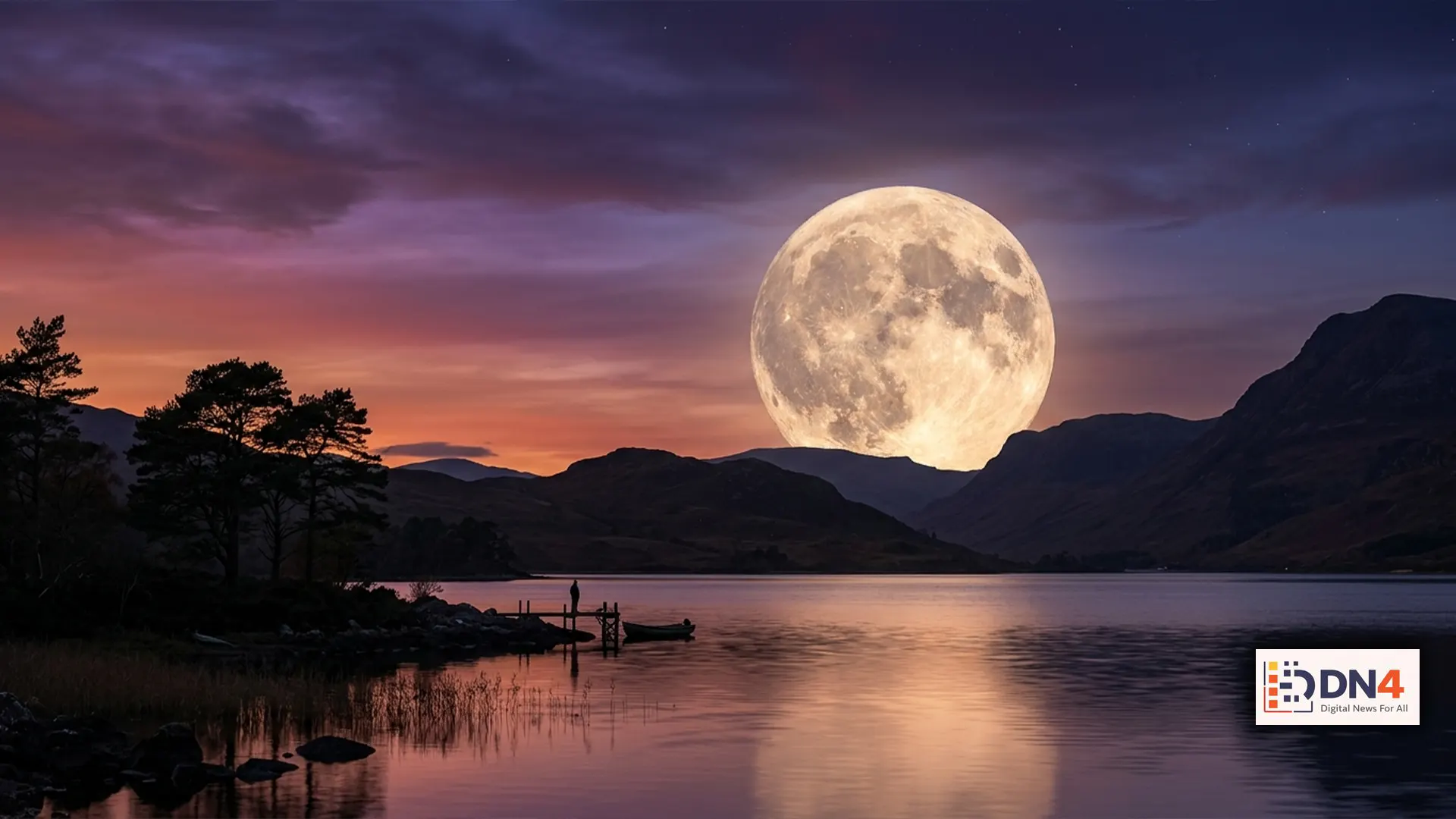
The Strawberry Moon of 2026 is set to illuminate skies around the world, continuing a centuries-old tradition of naming full moons tied to seasonal cycles. While the name may sound poetic, the event is a scientifically predictable phase of the lunar cycle observed by astronomers and skywatchers alike.
What Is the Strawberry Moon?
The term Strawberry Moon originates from Native American Algonquin traditions, as documented by sources such as The Old Farmer’s Almanac. It refers to the full moon that typically occurs in June, marking the time of strawberry harvesting in North America.
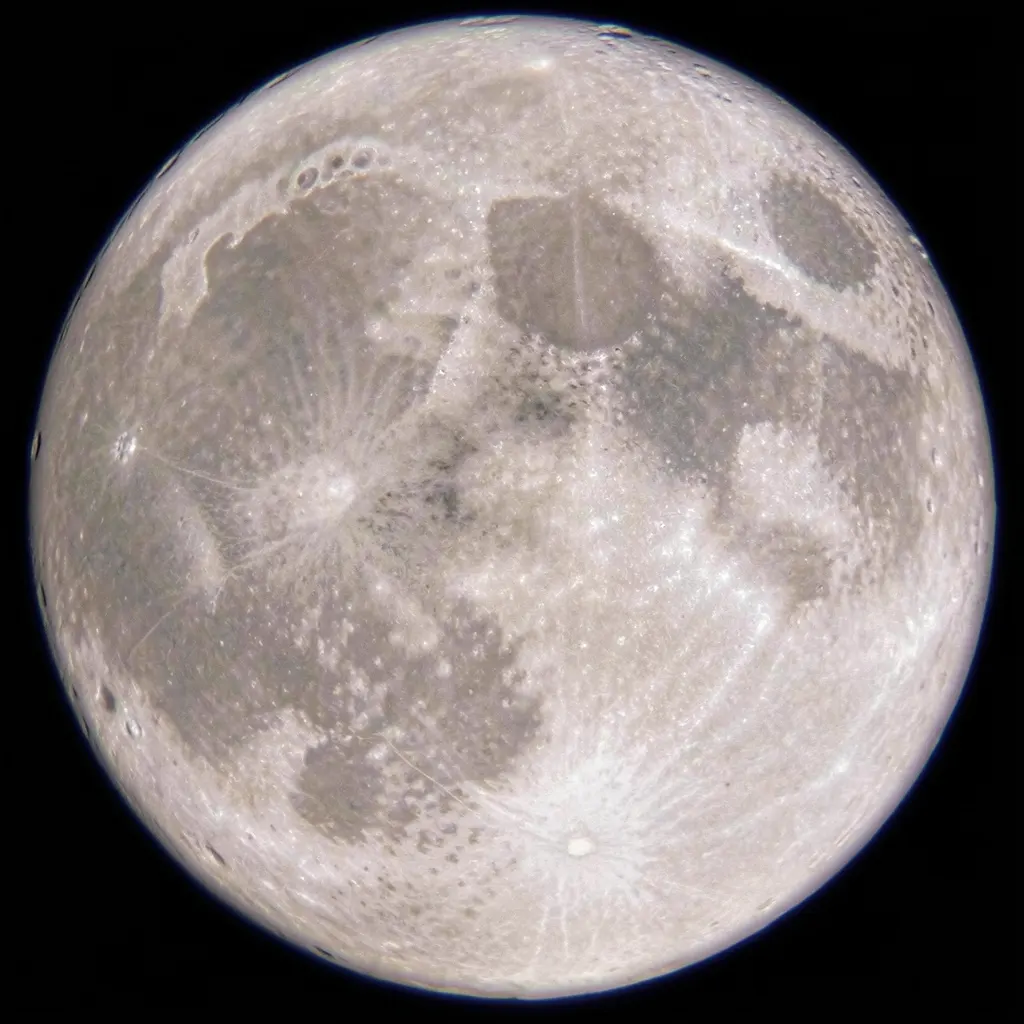
According to scientific explanations from NASA, the moon itself does not change color or appearance in relation to strawberries—the name is purely cultural and seasonal.
Why the 2026 Event Matters
The 2026 Strawberry Moon is part of a broader pattern of lunar cycles that continue to attract global attention. In recent years, social media and astronomy communities have amplified interest in celestial events, turning them into shared cultural experiences.
Platforms such as Space.com and Sky & Telescope regularly report on lunar events, eclipses, and planetary alignments that engage both amateur and professional astronomers.
Best Ways to Observe the Strawberry Moon
- Find a dark-sky location away from city lights
- Use binoculars or a telescope for enhanced detail
- Check local moonrise times for optimal viewing
- Capture images using long-exposure photography
Cultural and Modern Significance
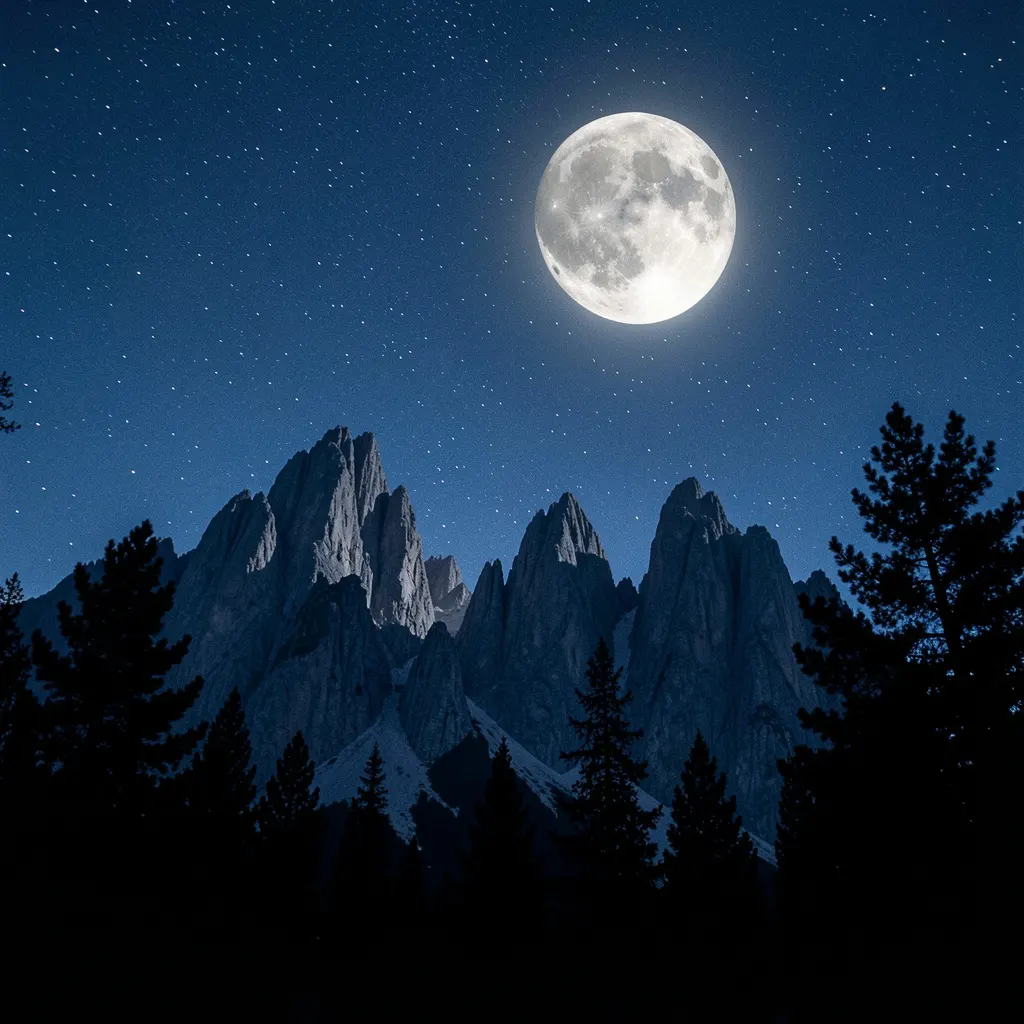
Beyond science, the Strawberry Moon has become a symbol of seasonal change, reflection, and connection to nature. Modern digital culture has also transformed it into a trending topic each year, blending astronomy with lifestyle and wellness themes.
The 2026 Strawberry Moon is more than just a lunar event—it is a reminder of humanity’s long-standing relationship with the night sky. As technology advances, interest in celestial phenomena continues to grow, bridging ancient traditions with modern curiosity.
#StrawberryMoon #FullMoon2026 #Astronomy #NightSky #SpaceNews #MoonLovers #NASA #SkyWatching #CelestialEvents