

 By Vinod Ram
Raccoons are clever, charismatic, and endlessly entertaining—which is exactly why people keep asking the same question: why can’t we domesticate them like dogs or cats? The short answer is that raccoons are biologically, behaviorally, and evolutionarily unsuited for domestication. The long answer is far more interesting.
1. Domestication Takes Thousands of Years—And the Right Traits
True domestication isn’t the same as taming. Taming changes individual behavior, while domestication changes a species over many generations through selective breeding.
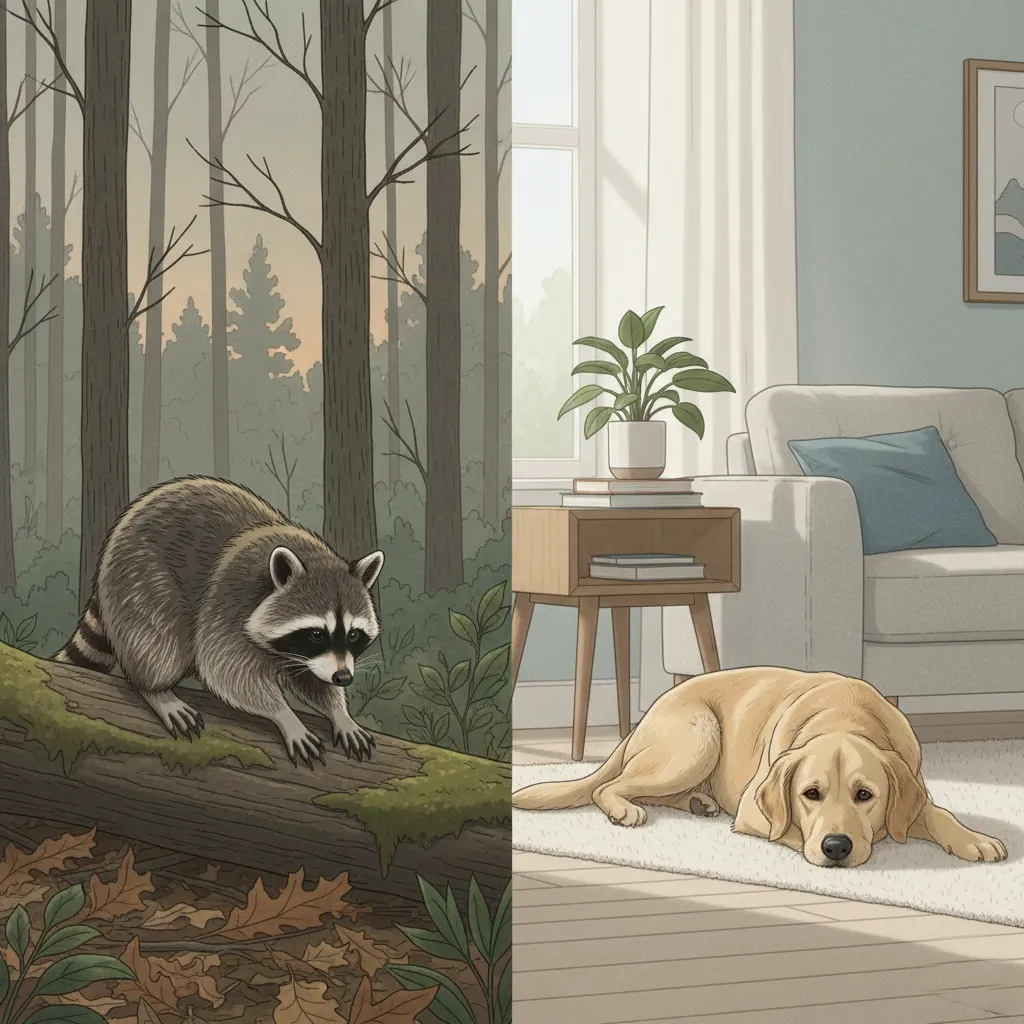
Dogs evolved from wolves over at least 15,000–30,000 years, as documented by National Geographic. Humans selected dogs for reduced aggression, social bonding, and comfort living alongside people.
Raccoons have never undergone this process and lack the social traits typically associated with domesticated species, according to Encyclopaedia Britannica.
2. Raccoons Are Hard-Wired for Independence
Unlike dogs or even cats, raccoons are solitary, territorial, and opportunistic foragers. Research from the National Wildlife Federation shows that raccoons do not form stable social hierarchies, making human leadership irrelevant to them.
A raccoon doesn’t see you as a leader—only as a convenient source of food.
3. Extreme Intelligence Works Against Domestication
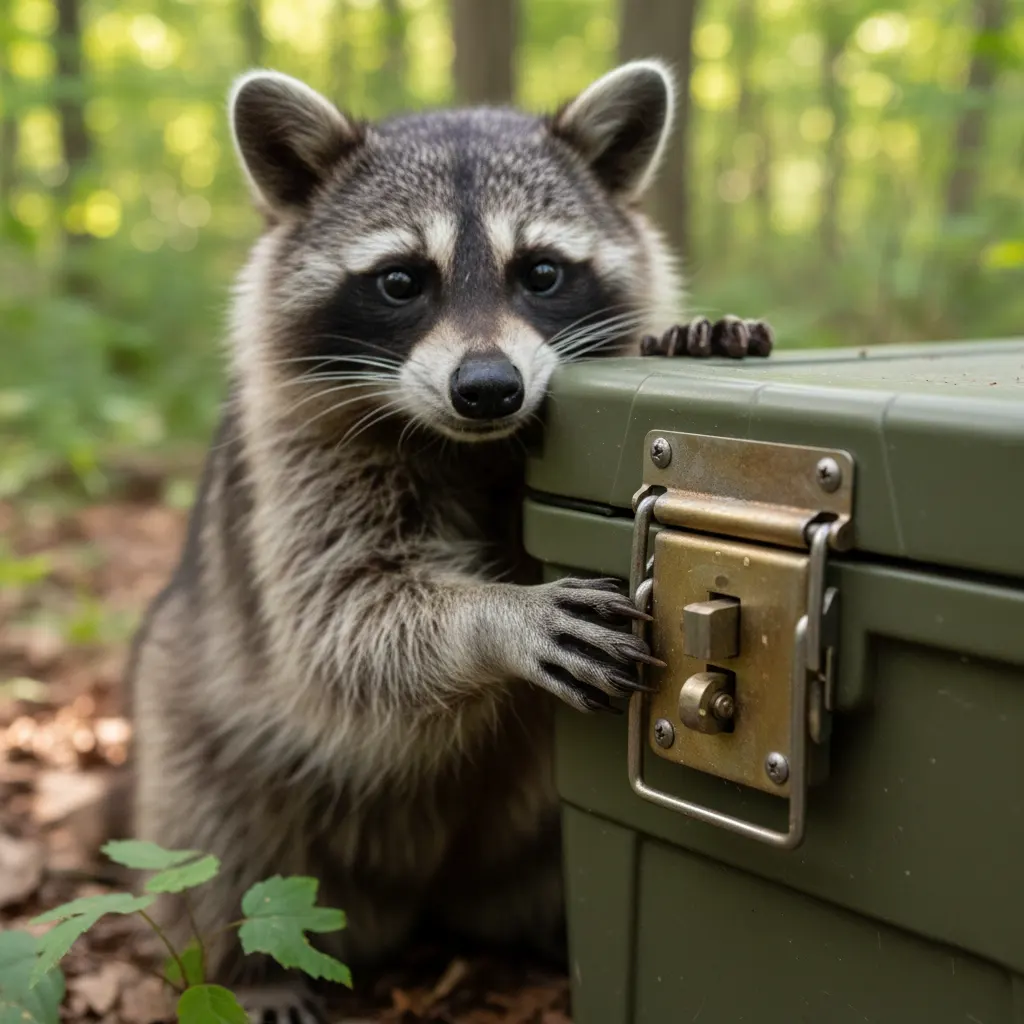
Raccoons are among the most intelligent mammals relative to body size. Studies highlighted by Scientific American show they can solve puzzles, remember solutions for years, and manipulate complex mechanisms.
This intelligence makes them destructive, difficult to train, and highly resistant to obedience-based learning. Dogs evolved to cooperate with humans; raccoons evolved to outsmart their environment.
4. Adolescence Turns Them Aggressive
Many raccoons that appear affectionate as babies become aggressive as adults. According to the Humane Society of the United States, sexual maturity often triggers biting, scratching, and territorial behavior—even in raccoons raised by humans.
5. They Retain Wild Defensive Instincts
Unlike domesticated animals, raccoons retain strong defensive instincts. The U.S. Centers for Disease Control and Prevention (CDC) warns that raccoons can become aggressive under stress and cause serious injuries.
These instincts are essential for survival in the wild and are deeply ingrained through evolution.
6. Health and Legal Barriers Are Major Obstacles
Raccoons are carriers of zoonotic diseases, including rabies and raccoon roundworm. The CDC identifies raccoons as the primary host of raccoon roundworm, which can cause severe neurological damage in humans.
Because of these risks, many regions restrict or ban raccoon ownership, as outlined by the USDA APHIS.
7. There’s No Practical Incentive to Domesticate Them
Animals were domesticated because they provided food, labor, pest control, or reliable companionship. Raccoons offer none of these benefits and come with high risks and unpredictable behavior.
As explained by evolutionary biologists cited in Smithsonian Magazine, domestication only succeeds when mutual benefit exists.
Raccoons will never be domesticated because they are too independent, too intelligent in non-cooperative ways, too aggressive as adults, and too risky for human households.
They thrive precisely because they don’t need us. Raccoons are not failed pets—they are wildly successful survivors of the wild.
#Raccoons #WildlifeFacts #AnimalBehavior #ExoticPets #WildAnimals #AnimalScience #NatureExplained #PetSafety #Evolution