

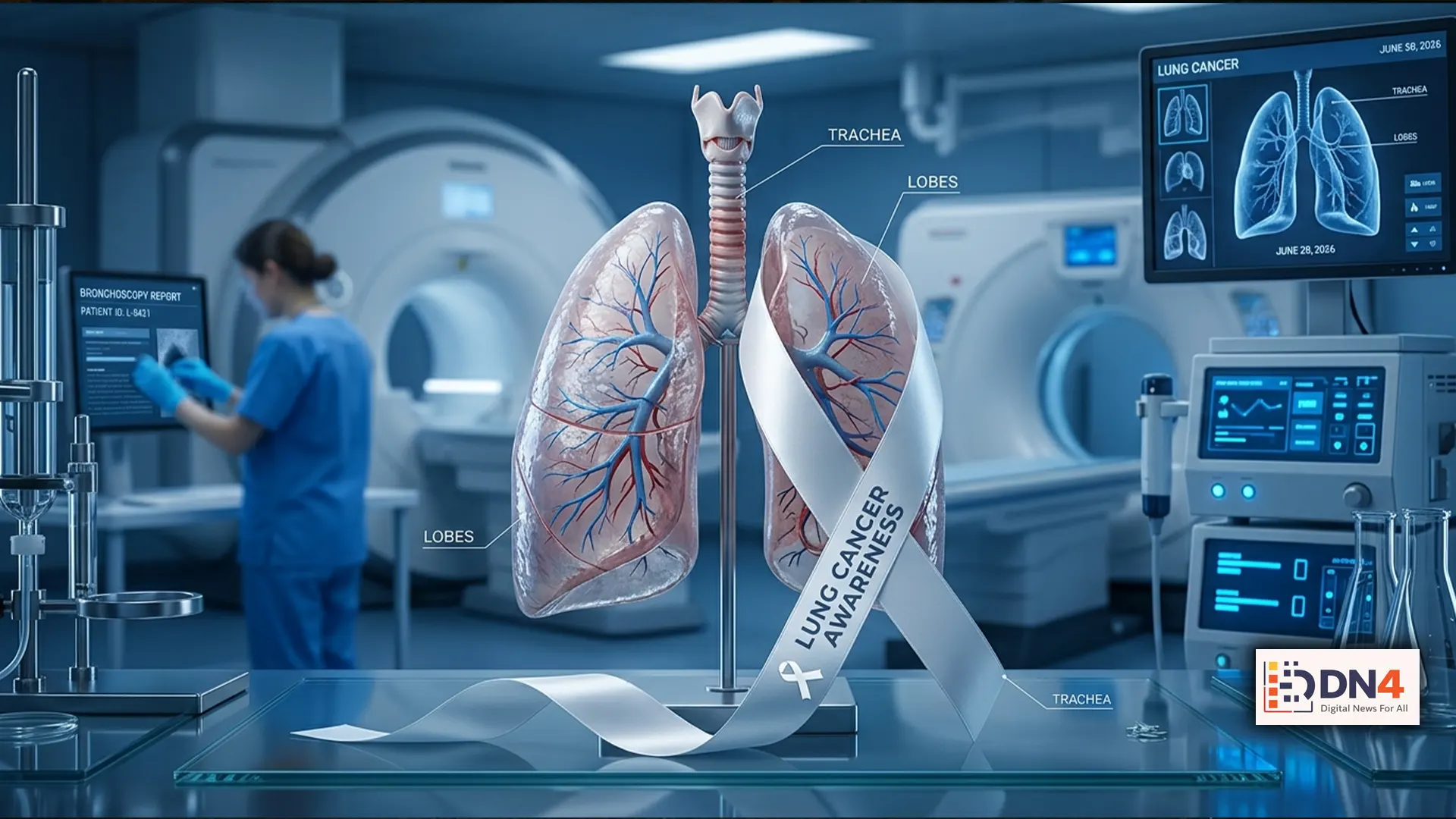
Lung cancer remains one of the most serious health challenges worldwide, yet many misconceptions continue to prevent people from understanding their true risk. During Lung Cancer Awareness campaigns, health experts emphasize the importance of separating facts from myths because early awareness can lead to earlier conversations, screening, and medical support.
According to the Centers for Disease Control and Prevention (CDC), lung cancer is among the leading causes of cancer-related deaths, but advances in screening and treatment continue to improve outcomes for many patients.
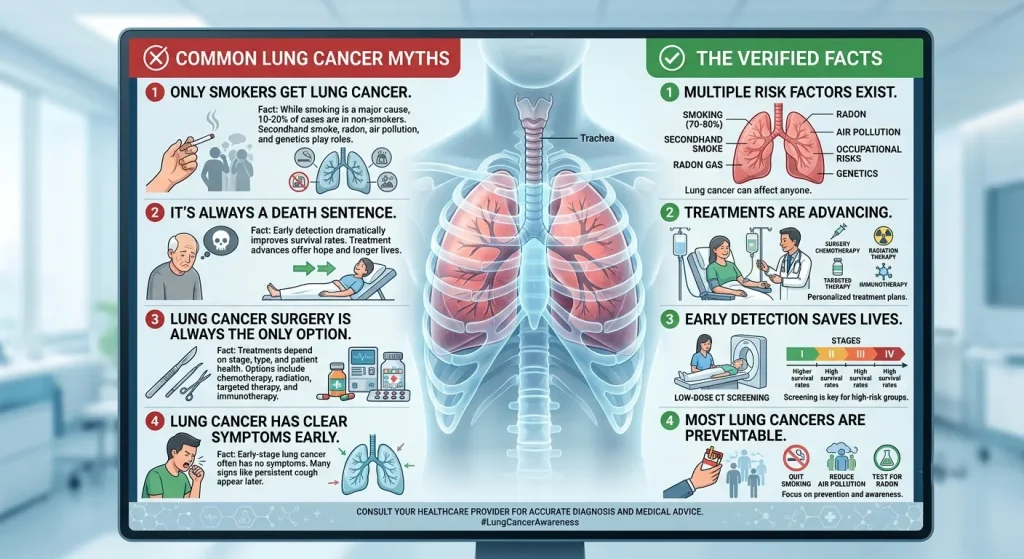
Myth 1: Only Smokers Get Lung Cancer
One of the most common misconceptions is that lung cancer only affects people who smoke. While smoking is the leading risk factor, non-smokers can also develop lung cancer due to factors such as secondhand smoke exposure, radon gas, air pollution, workplace hazards, and genetic changes.
The National Cancer Institute explains that lung cancer can occur in people with different backgrounds and risk profiles, making awareness important for everyone.
Myth 2: Lung Cancer Always Causes Obvious Symptoms
Another dangerous myth is believing that lung cancer will always cause noticeable warning signs. In reality, early-stage lung cancer may not produce clear symptoms, which is why screening can play an important role for people at higher risk.
Possible symptoms may include persistent coughing, chest discomfort, shortness of breath, unexplained weight loss, or coughing up blood. However, these symptoms can also be caused by other conditions.
Myth 3: A Lung Cancer Diagnosis Means There Is No Hope
Advances in medicine have changed the lung cancer landscape. New treatments, including targeted therapies and immunotherapy, have provided additional options for many patients.
Organizations such as the American Cancer Society highlight that treatment outcomes can vary significantly depending on cancer type, stage, and individual health factors.
Myth 4: Lung Cancer Screening Is Only for People With Symptoms
Screening is designed to identify potential disease before symptoms appear. The U.S. Preventive Services Task Force recommends discussing low-dose CT screening with certain adults who have a significant smoking history and meet age-related criteria.
Speaking with a healthcare professional can help determine whether screening is appropriate based on personal risk factors.

Myth 5: Quitting Smoking Does Not Reduce Lung Cancer Risk
Some people believe quitting smoking has little benefit after years of tobacco exposure. This is false. Stopping smoking reduces the risk of lung cancer and provides health benefits at any age.
The World Health Organization states that quitting tobacco improves overall health and lowers the risk of multiple diseases.
Why Lung Cancer Awareness Matters
Understanding lung cancer facts helps people recognize risks, seek medical advice when needed, and support loved ones affected by the disease. Awareness campaigns also encourage research funding and improved access to prevention and treatment resources.
Lung cancer myths can create confusion and delay important health decisions. Knowing the facts about risk factors, symptoms, screening, and treatment options empowers people to take informed steps toward better lung health.
Medical Disclaimer: This article is for informational purposes only and does not replace professional medical advice, diagnosis, or treatment. Always consult a qualified healthcare provider regarding health concerns.
#LungCancerAwareness #CancerFacts #HealthAwareness #LungHealth #CancerPrevention #MedicalNews #HealthTips #EarlyDetection