


The 2026 cholesterol guidelines are expected to bring renewed attention to how doctors assess heart disease risk, manage LDL cholesterol levels, and personalize prevention strategies. As cardiovascular disease remains one of the world’s leading health challenges, updated recommendations continue to focus on earlier detection and more individualized care.
For patients, the biggest changes involve understanding cholesterol numbers, evaluating overall heart risk, and combining lifestyle improvements with medical treatments when needed.
Trusted cardiovascular health information is available from organizations such as the American Heart Association.
Why Cholesterol Guidelines Continue to Change
Medical research continues to improve understanding of how cholesterol affects arteries and cardiovascular risk. New evidence can influence recommendations around screening, treatment timing, and which patients may benefit most from cholesterol-lowering therapies.
Modern guidelines increasingly focus on a person’s complete health profile rather than cholesterol numbers alone. Factors such as age, blood pressure, diabetes risk, smoking history, family history, and lifestyle habits may all influence treatment decisions.
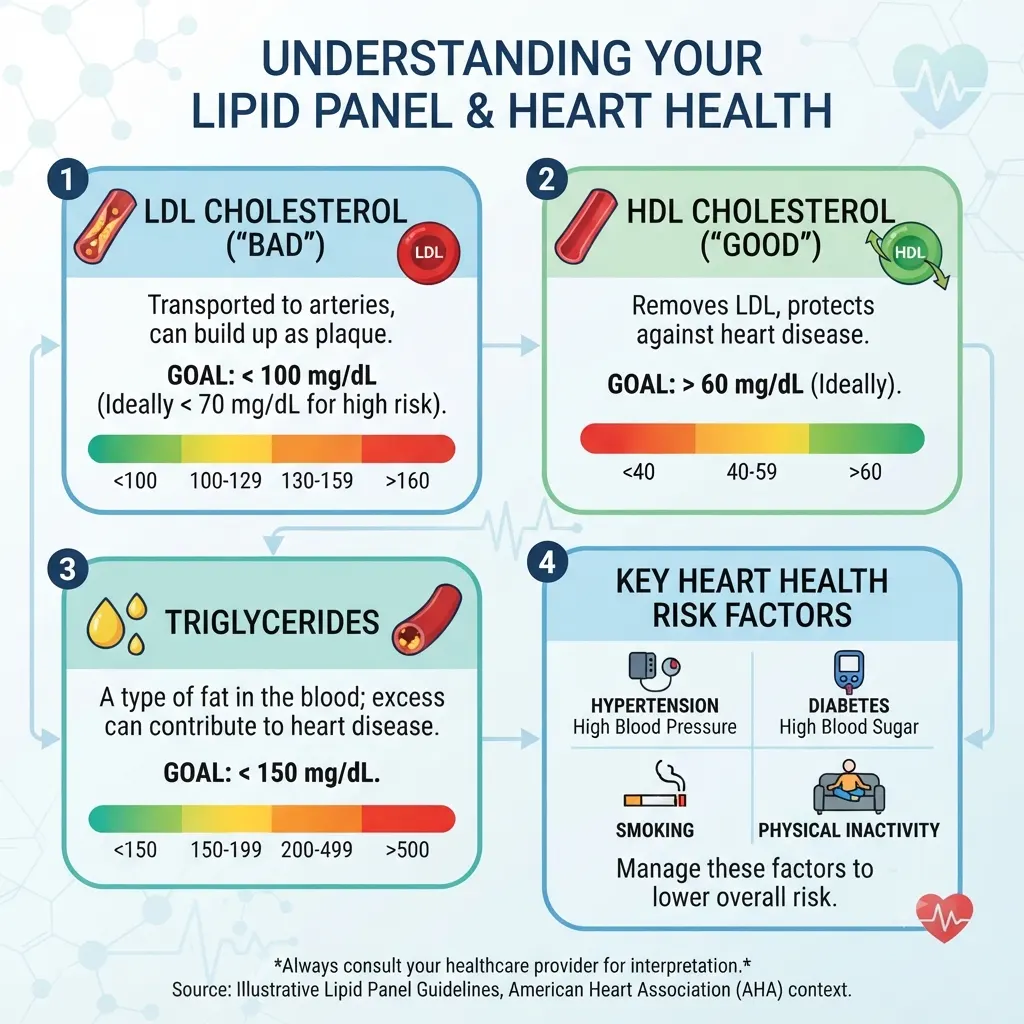
Understanding LDL and HDL Cholesterol
LDL cholesterol is often called “bad cholesterol” because higher levels can contribute to plaque buildup inside arteries. HDL cholesterol is commonly known as “good cholesterol” because it helps transport cholesterol away from the bloodstream.
Doctors typically consider LDL levels alongside overall cardiovascular risk rather than using a single measurement to determine treatment.
Additional scientific information about cholesterol and heart disease is available through the Centers for Disease Control and Prevention.
Potential Focus Areas in the 2026 Recommendations
- Earlier identification of people at increased cardiovascular risk.
- Greater emphasis on personalized prevention strategies.
- Improved use of cholesterol testing and risk assessment tools.
- Continued focus on lifestyle changes alongside medical treatment.
Lifestyle Changes That Support Healthy Cholesterol
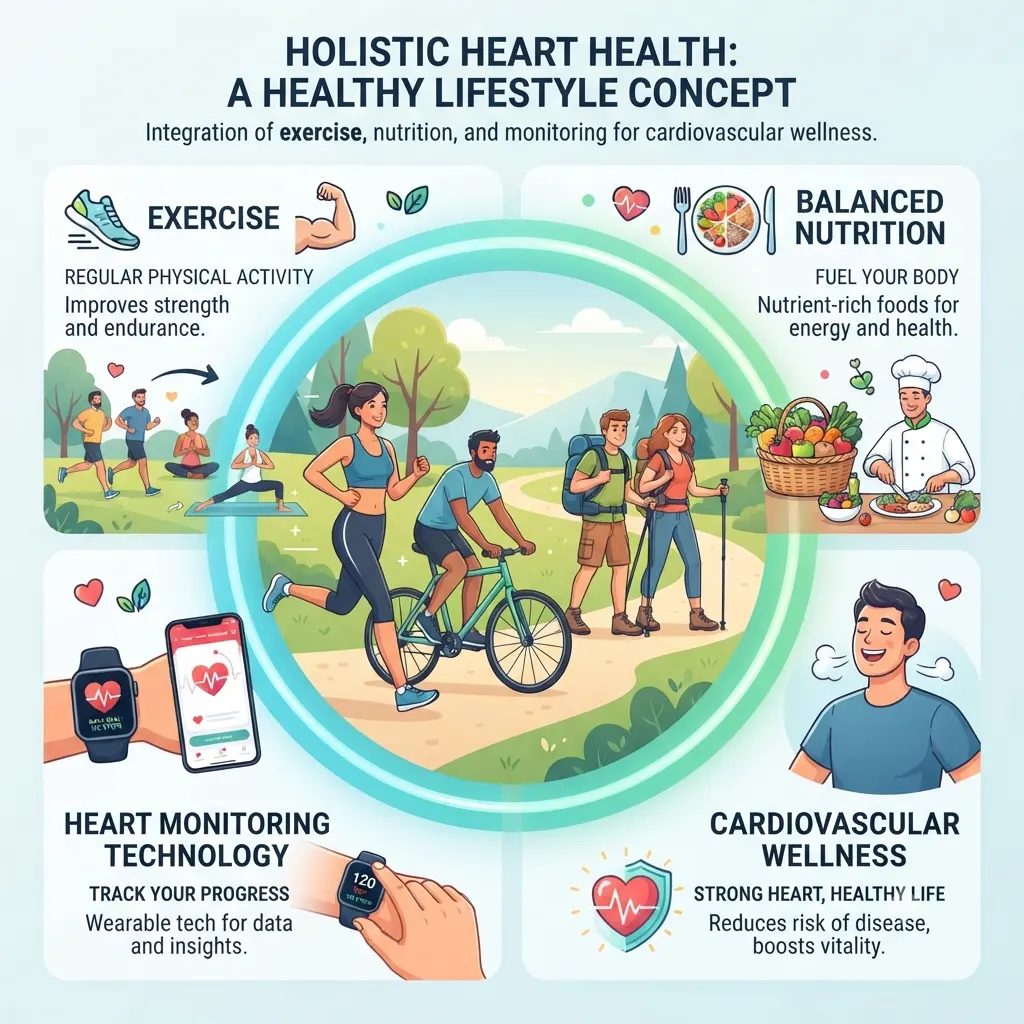
While medications can play an important role for some patients, lifestyle choices remain a key part of cardiovascular health. Regular physical activity, balanced nutrition, maintaining a healthy weight, and avoiding tobacco exposure can support healthier cholesterol levels.
- Choose more fiber-rich foods such as vegetables, fruits, and whole grains.
- Include heart-healthy sources of protein.
- Exercise regularly according to individual health needs.
- Schedule recommended health screenings.
How Cholesterol Medications Fit Into Treatment
For some individuals with elevated cardiovascular risk, doctors may recommend medications such as statins or other cholesterol-lowering treatments. Decisions are usually based on overall risk assessment rather than cholesterol levels alone.
Patients should discuss treatment options with qualified healthcare professionals before starting or changing medications.
Clinical research and health recommendations can also be explored through the National Institutes of Health.
What Patients Should Do Now
- Know your cholesterol numbers and health history.
- Ask your healthcare provider about cardiovascular risk assessment.
- Maintain regular screenings based on medical advice.
- Focus on sustainable lifestyle improvements.
The 2026 cholesterol guidelines reflect the continuing evolution of cardiovascular medicine toward personalized prevention and evidence-based care. Understanding cholesterol levels and discussing risk factors with healthcare professionals can help individuals make informed decisions about heart health.
#Cholesterol #HeartHealth #CardiovascularHealth #HealthNews #WellnessTips #MedicalUpdates #HealthyLiving #PreventiveCare #HealthcareInnovation