

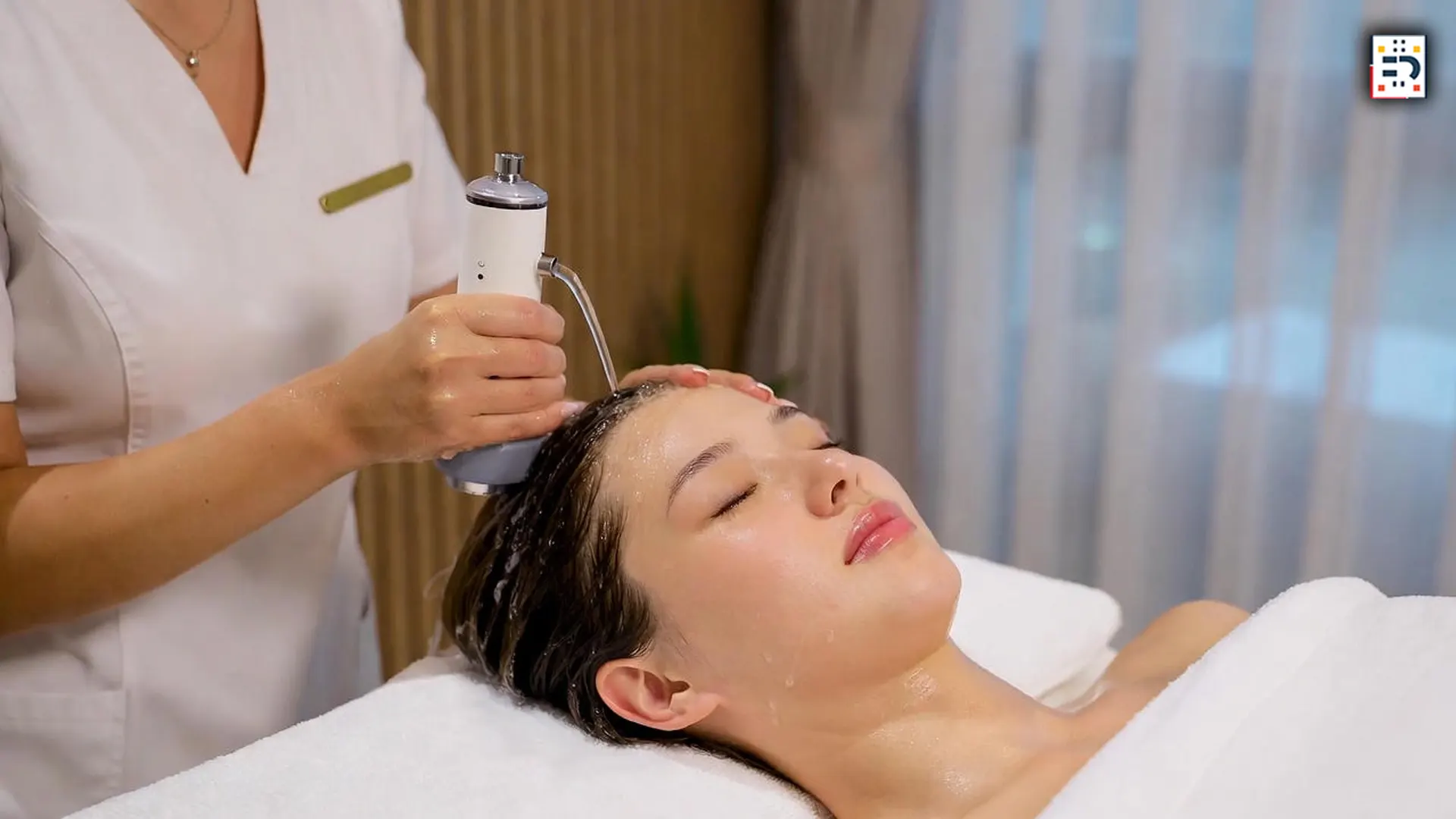
From TikTok to luxury wellness clinics, Japanese head spas are quickly becoming one of the most talked-about self-care trends worldwide. What began as a niche treatment in Japan has evolved into a global wellness movement focused on scalp health, stress reduction, and nervous system reset.
As consumers move away from quick beauty fixes and toward holistic care, Japanese head spas sit at the intersection of holistic wellness, mental health, and luxury relaxation—making them a defining trend for 2026.
What Is a Japanese Head Spa?
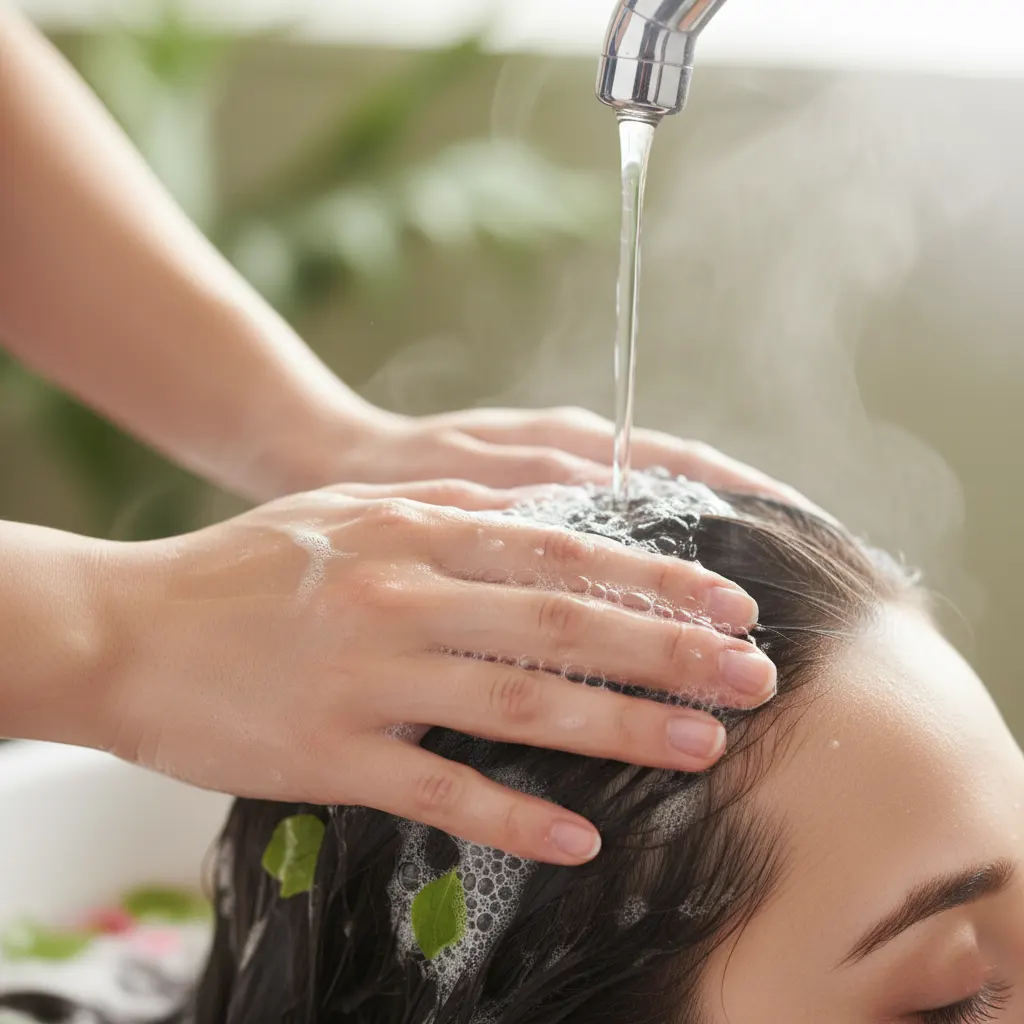
A Japanese head spa is a specialized scalp and head treatment that combines deep cleansing, massage, aromatherapy, and water therapy. Unlike a standard salon wash, the experience is designed to promote relaxation, circulation, and scalp health.
The practice draws inspiration from traditional Japanese wellness philosophies that emphasize balance, circulation, and stress management, similar to techniques used in Shiatsu massage.
Why Japanese Head Spas Are Exploding in 2026
Several cultural and health-driven shifts are fueling the rise of head spas:
- Growing awareness of chronic stress and burnout
- Increased focus on scalp health as an extension of skin care
- Social media exposure through ASMR-style videos
- Demand for non-invasive, drug-free relaxation therapies
Wellness consumers are seeking experiences that calm the nervous system, not just treatments that improve appearance. Japanese head spas deliver both.
Key Benefits of Japanese Head Spas
1. Stress and Anxiety Relief
The rhythmic scalp massage stimulates pressure points connected to relaxation and may help activate the parasympathetic nervous system, which plays a role in stress recovery.
2. Improved Scalp and Hair Health
Deep cleansing removes buildup from products, oil, and pollution, supporting healthier hair growth and scalp circulation—topics increasingly discussed by dermatology experts at outlets like the American Academy of Dermatology.
3. Better Sleep Quality
Many clients report deeper, more restorative sleep following treatments, likely due to reduced tension and improved blood flow to the head and neck.
4. Headache and Tension Relief
Targeted massage around the temples, neck, and scalp can help reduce tension headaches associated with screen time and posture issues.
How Much Does a Japanese Head Spa Cost?
Prices vary by location and service level, but typical costs include:
- Basic session (30–45 minutes): $70–$120
- Standard session (60 minutes): $120–$180
- Luxury or extended treatments: $200–$350+
High-end spas may include add-ons such as LED scalp therapy, customized serums, or guided meditation.
What to Expect During Your First Session
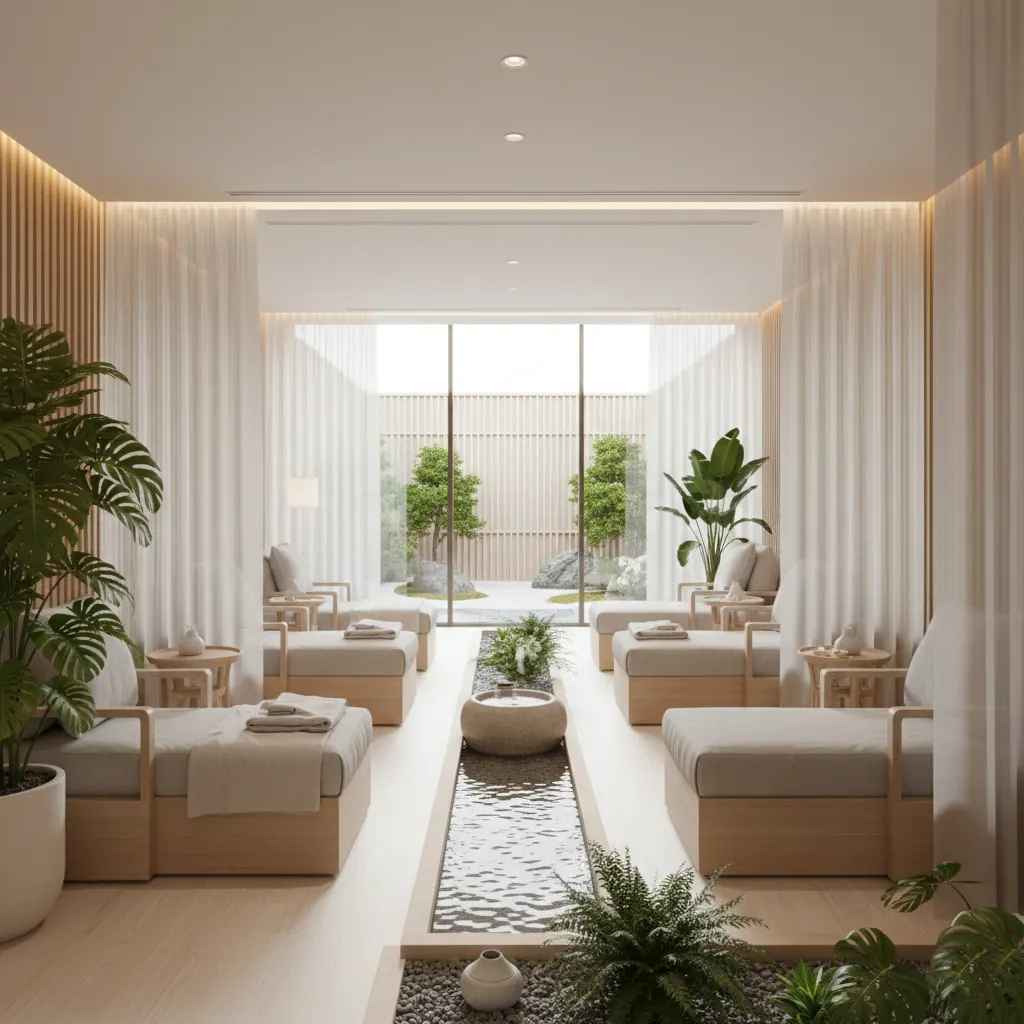
A typical Japanese head spa experience includes:
- Scalp analysis and consultation
- Deep cleanse using water flow or halo rinse systems
- Extended scalp, neck, and shoulder massage
- Aromatherapy and relaxation period
- Light hair drying or styling
Most sessions are intentionally quiet, phone-free, and designed to induce a meditative state.
Is the Trend Here to Stay?
Industry analysts tracking the global wellness market note that experiential, stress-focused services are among the fastest-growing segments.
As burnout, screen fatigue, and mental overload continue to rise, treatments that directly target relaxation and nervous system health are expected to remain in high demand well beyond 2026.
Japanese head spas represent a shift in how people approach self-care. They are not about vanity or quick fixes—but about slowing down, restoring balance, and treating stress at its source.
In a world that rarely switches off, this may be exactly why Japanese head spas are becoming the defining wellness trend of 2026.
#JapaneseHeadSpa #WellnessTrends #SelfCare #ScalpHealth #LuxuryWellness #MentalHealth #Relaxation #2026Trends