

The release of Netflix’s Reality Check in February 2026 has ignited a fresh wave of scrutiny around Tyra Banks and her long-running reality franchise, America’s Next Top Model.
What was once celebrated as groundbreaking television now faces intense Gen Z criticism — with many calling early 2000s modeling challenges “humiliation rituals.”
What Is Reality Check on Netflix?
Netflix’s docuseries Reality Check revisits controversial moments from iconic 2000s reality shows, with several episodes focusing on America’s Next Top Model.
The documentary features interviews with former contestants, producers, and cultural critics. It also includes archival footage many viewers hadn’t revisited in years.
Entertainment outlets like Variety and The Hollywood Reporter note that the backlash is being driven largely by younger audiences who view early reality TV through a modern lens.
Tyra’s Defense vs. The “Receipts”
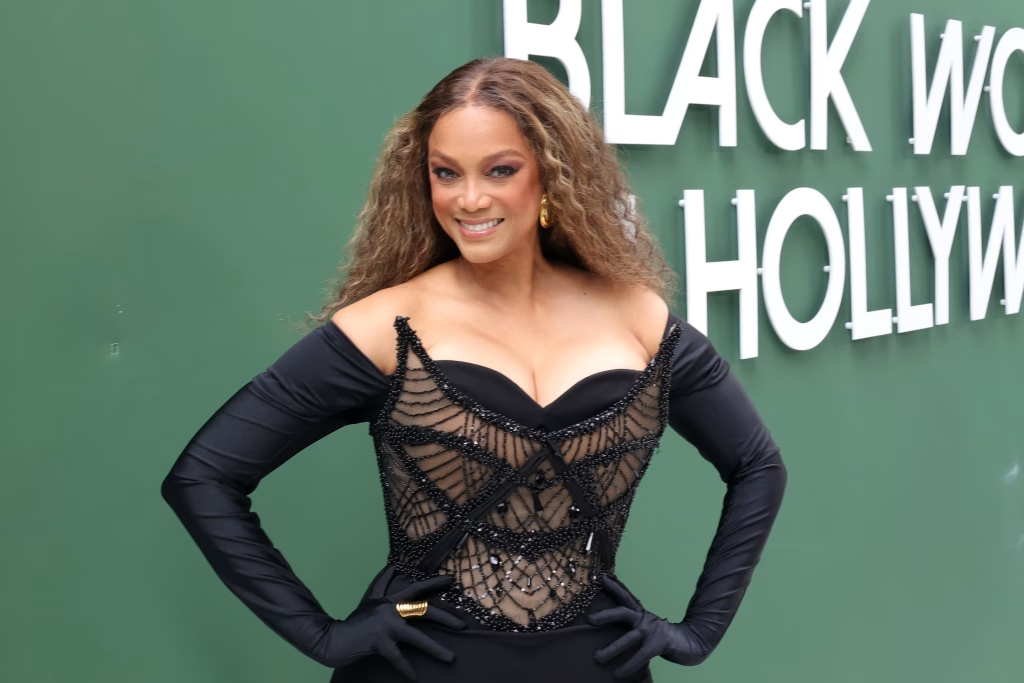
Tyra’s Position (2026)
In the documentary, Tyra defends controversial segments as “a product of the era” and claims her goal was always empowerment. She argues the show broke barriers in diversity and representation.
The Receipts from Former Contestants
However, former models present behind-the-scenes accounts contradicting that narrative — alleging emotional manipulation, unrealistic beauty standards, and psychological pressure.
Clips resurfaced across TikTok and Instagram show makeovers, weight critiques, and dramatic eliminations that many now describe as “public shaming.”
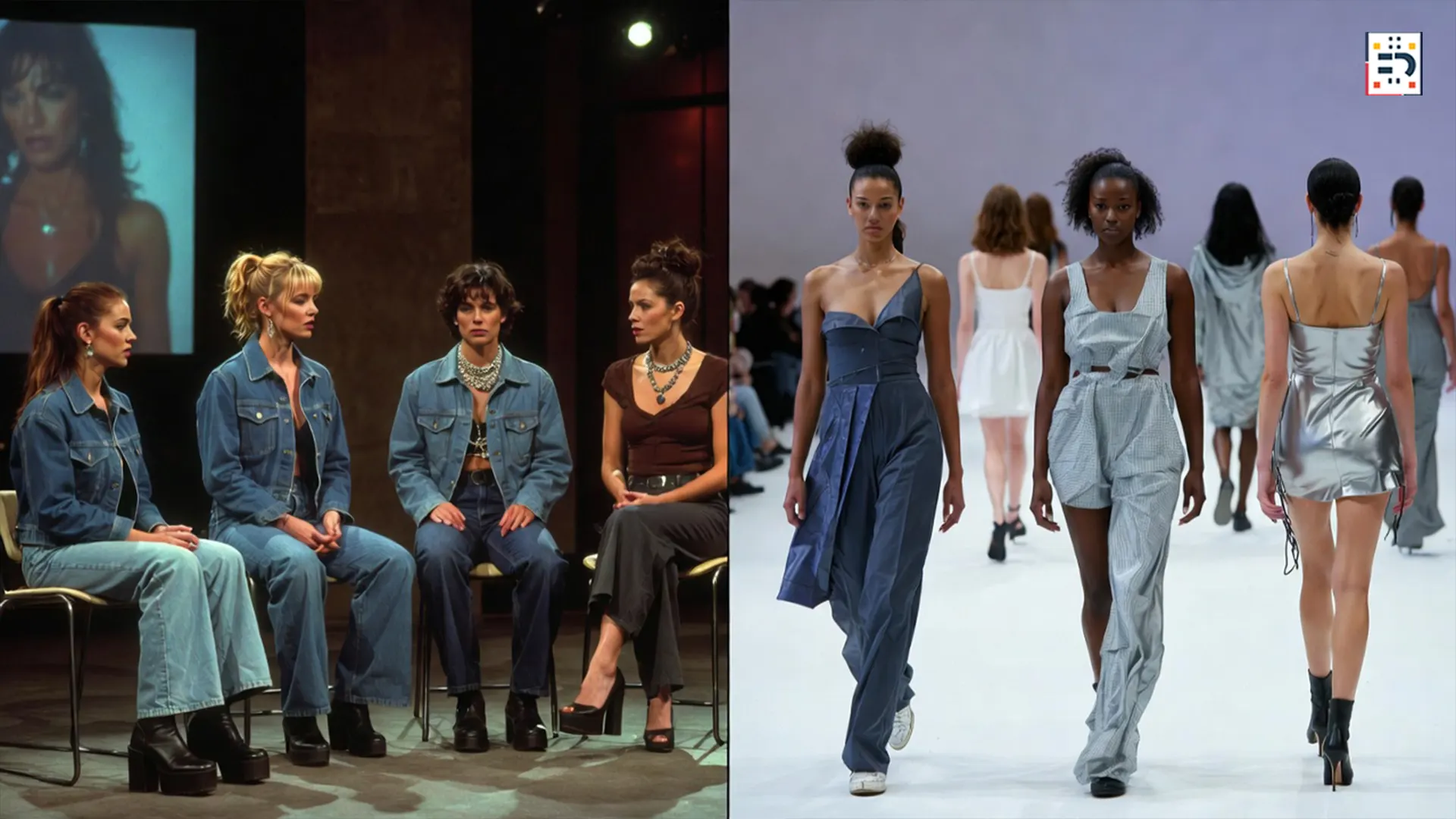
Then vs. Now: Beauty Standards in 2006 vs 2026
THEN (Early 2000s Reality TV)
- Thin-centric body ideals
- Makeovers designed for shock value
- Competitive “tough love” mentoring
- Dramatic humiliation as entertainment
NOW (2026 Media Landscape)
- Body positivity and size inclusivity
- Mental health transparency
- Ethical production standards
- Authenticity over shock value
The shift aligns with broader conversations around representation documented by publications like The New York Times and academic studies cited by American Psychological Association.
Is This a Career-Ending Backlash?
Search trends suggest interest in Tyra Banks is at its highest point in over a decade. While controversy fuels clicks, long-term reputation recovery depends on accountability and adaptation.
Brands and advertisers in 2026 operate under stricter cultural scrutiny. Corporate partners are increasingly cautious about aligning with polarizing figures.
Yet history shows that public narratives evolve. The question isn’t just whether Tyra can survive — but whether audiences will allow redemption in an era that demands transparency.
The Bigger Cultural Question
Reality Check doesn’t just examine one host. It forces viewers to ask whether early reality television normalized humiliation as prime-time entertainment.
And perhaps more importantly — are we holding individuals accountable, or reckoning with an entire media era?
#TyraBanks #RealityCheck #ANTM #GenZBacklash #RealityTV #BeautyStandards #MediaCulture