

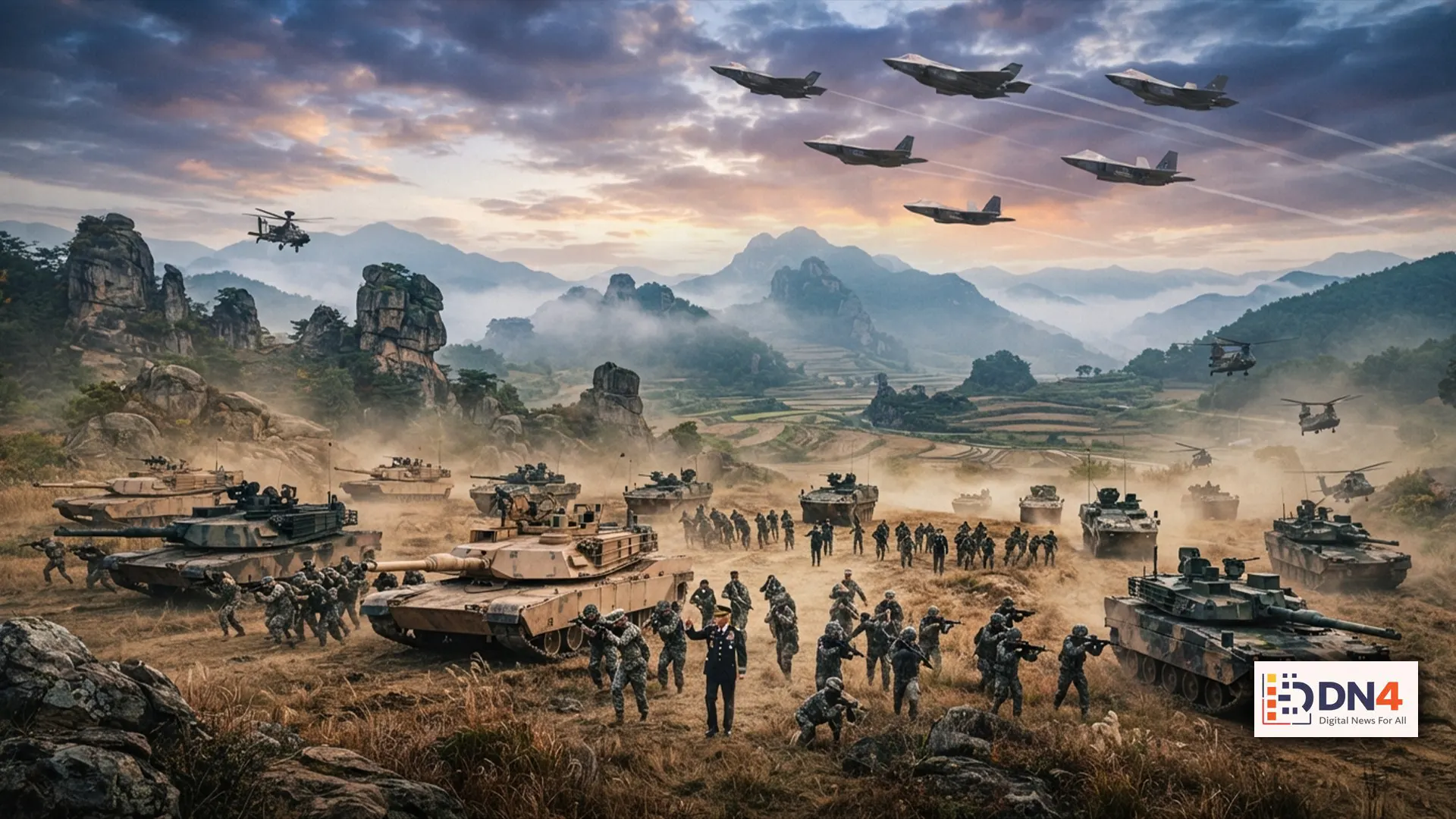
The decision by the United States and South Korea to scale back their annual military exercises has created a new debate over deterrence, alliance readiness and the future of security in East Asia. The change affects the 2026 Ulchi Freedom Shield exercise, a major demonstration of the allies’ ability to coordinate against potential threats from North Korea.
Why the Drills Were Scaled Back
The exercise began on August 17 and was originally scheduled to run for 11 days. Following an order from U.S. President Donald Trump, the allies agreed to shorten the exercise to five days and reduce some field-training activities. Reuters reported that the change followed Trump’s call for a substantial reduction in U.S. participation.
Trump has argued that the exercises are costly and unnecessarily provocative toward North Korea, while also expressing interest in renewed diplomacy with Pyongyang. South Korean officials, however, said they were not informed in advance of his public directive, adding an element of uncertainty to the alliance relationship.
What the Exercises Actually Do
Joint drills are not simply symbolic displays of military power. According to U.S. Forces Korea, combined exercises are designed to validate readiness, improve coordination and practice operations under realistic conditions.
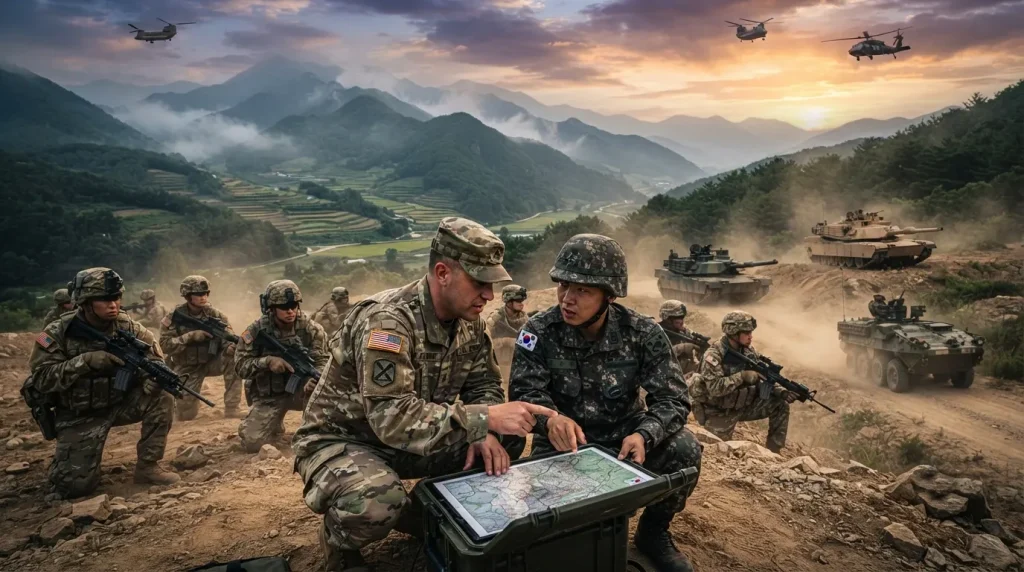
That training becomes particularly important on the Korean Peninsula. U.S. and South Korean forces must be able to coordinate rapidly during a crisis. Cutting field exercises does not eliminate the alliance’s military capabilities, but repeated reductions could affect opportunities for troops to practice complex combined operations.
North Korea’s Reaction
Pyongyang has traditionally condemned U.S.-South Korean military exercises as preparations for invasion. Yet North Korea’s initial response to the latest reduction suggests that simply shrinking the drills may not produce a major diplomatic breakthrough. PBS NewsHour has reported on North Korea’s response to changes in the joint exercises.
A Wider Asian Security Question
The implications extend beyond the Korean Peninsula. Analysts at the Council on Foreign Relations have examined how changes to U.S.-South Korea military cooperation could affect wider American security commitments in Asia.
Japan and other regional partners are watching closely because the U.S.-South Korea alliance forms part of a wider network of Indo-Pacific security relationships. The Atlantic Council has also examined the strategic debate surrounding U.S. military commitments and allied readiness in the region.
What Comes Next?
The immediate military impact of shortening one exercise may be limited. The bigger issue is whether the change becomes part of a longer-term pattern. For South Korea, maintaining credible deterrence while expanding its own defense capabilities could become increasingly important.
For Washington, the challenge is balancing diplomatic opportunities with North Korea against the need to reassure allies. The future of U.S.-South Korean exercises will therefore be closely watched. That’s true not only in Seoul and Pyongyang, but throughout an increasingly contested Asia-Pacific security environment.
#USSouthKorea #SouthKorea #AsiaSecurity #NorthKorea #MilitaryDrills #IndoPacific #DefenseNews #Geopolitics #USDefense