


As federal employees begin searching for the GS Pay Scale 2026 calculator, many are discovering an uncomfortable reality: their projected new salary is lower than expected.
Between inflation assumptions, locality pay adjustments, and capped raises, the 2026 outlook has triggered confusion—and frustration—across the federal workforce. Here’s how to calculate your projected GS salary for 2026, and why the final number may not match what you were hoping for.
What Is the GS Pay Scale?
The General Schedule (GS) pay scale is the primary salary system for U.S. federal civilian employees. It consists of:
- 15 grades (GS-1 through GS-15)
- 10 steps within each grade
- Base pay plus locality adjustments
Each year, the Office of Personnel Management (OPM) updates the scale based on presidential pay decisions, economic conditions, and congressional guidance.
GS Pay Scale 2026: What’s Changing?
While final numbers won’t be official until late 2025, early projections suggest the 2026 federal pay raise will be modest compared to recent years.
Key factors shaping the GS Pay Scale 2026 include:
- Cooling inflation trends
- Budget constraints and deficit concerns
- Uneven locality pay growth
- Pay compression at higher GS levels
This combination explains why many calculators show increases that feel underwhelming.
How to Use a GS Pay Scale 2026 Calculator
To estimate your 2026 salary, you’ll need three pieces of information:
- Your current GS grade
- Your step level
- Your locality pay area
Most online calculators apply a projected across-the-board increase to the base pay, then layer in estimated locality adjustments.
You can cross-check your results using OPM’s official GS pay tables and adjusting upward by the proposed percentage.
Why Your 2026 Salary Looks Lower Than You Expected
1. Inflation Is Slowing
Recent GS raises were unusually high due to inflation spikes. As inflation cools, so do pay adjustments—even if living costs still feel high.
2. Locality Pay Isn’t Keeping Up Everywhere
Some regions are seeing smaller locality increases, meaning employees outside major metro areas may feel left behind.
3. Pay Compression at Higher Grades
GS-13 to GS-15 employees are especially impacted by statutory pay caps, which limit meaningful raises regardless of performance or tenure.
4. Expectations vs. Reality
Many federal workers compare GS raises to private-sector wage growth, but the two systems follow very different rules.
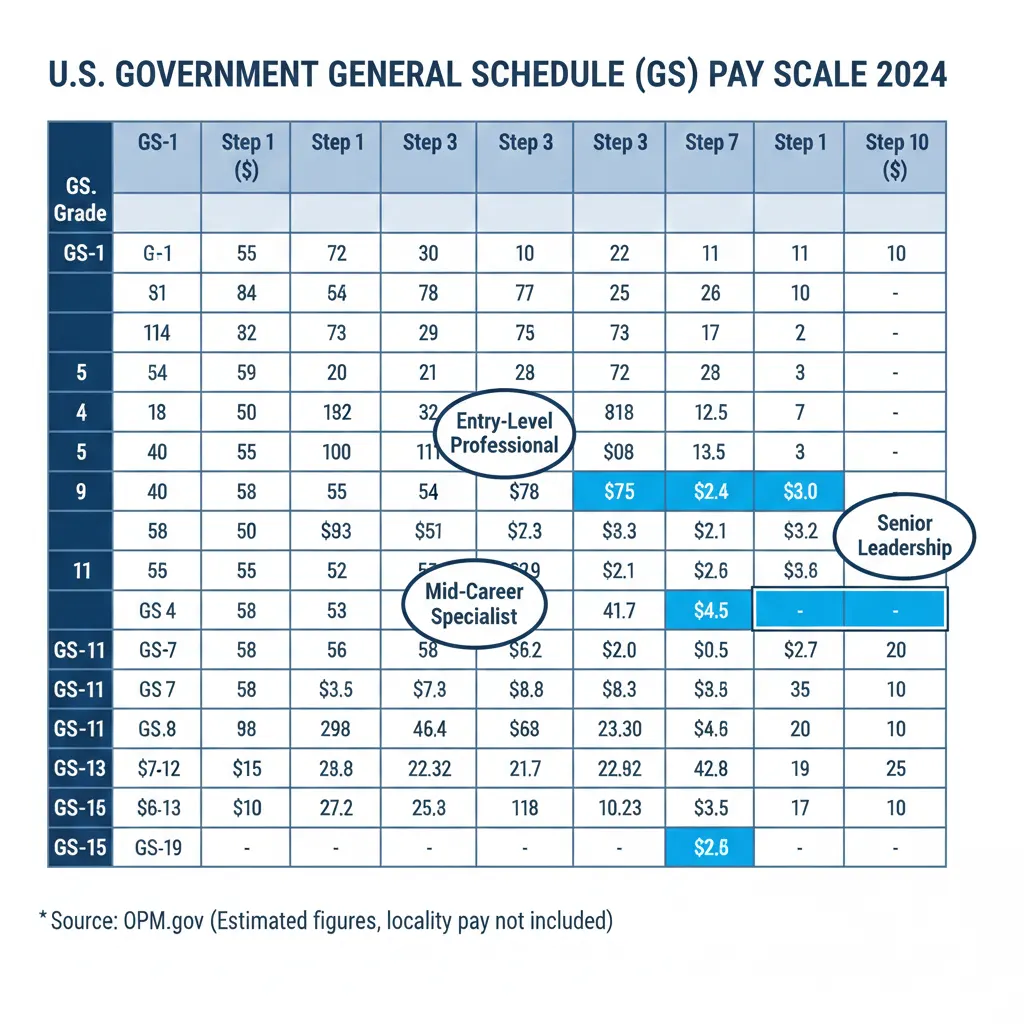
What Federal Employees Can Do Now
While you can’t control federal pay policy, you can plan strategically:
- Track step increases and eligibility timelines
- Understand promotion vs. annual raise differences
- Factor benefits and job security into total compensation
- Monitor OPM updates as final numbers are released
Being informed early helps reduce surprises later.
The GS Pay Scale 2026 calculator offers clarity—but not always comfort.
For many federal employees, the projected numbers feel disconnected from real-world costs. Understanding why the increase is smaller can help set realistic expectations and guide smarter financial planning in the year ahead.
#GSPayScale #FederalEmployees #GovernmentJobs #OPM #FederalPay #PublicService #PayRaise #CareerPlanning