


Cryptocurrency markets continue to experience rapid changes in 2026 as traders face shifting investor sentiment, regulatory developments, and unpredictable price movements. For digital asset investors, managing volatility has become just as important as identifying growth opportunities.
While market swings can create risks, they also create opportunities for disciplined traders who understand portfolio management, security, and long-term strategy.
Why Crypto Volatility Remains a Major Challenge in 2026
Crypto markets are influenced by several factors, including institutional adoption, global economic conditions, interest rate expectations, and regulatory decisions.
The global crypto ecosystem is also becoming more connected with traditional finance. Traders increasingly monitor updates from organizations such as the U.S. Securities and Exchange Commission and other financial regulators to understand potential market impacts.
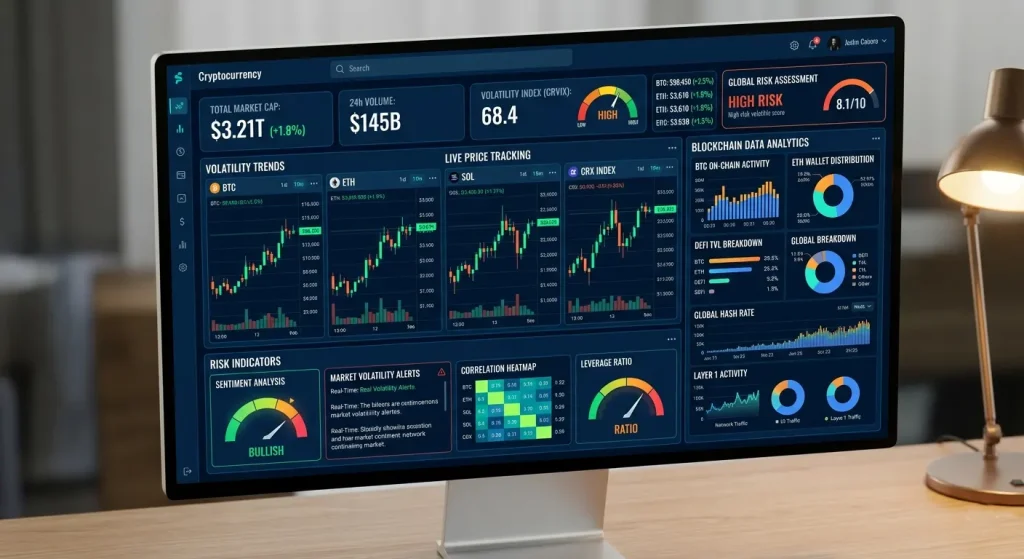
Strategic Move #1: Strengthen Risk Management
Successful crypto trading starts with controlling downside risk. Many experienced traders avoid putting excessive capital into a single asset and instead create structured risk plans.
- Set clear stop-loss levels
- Avoid emotional buying during market spikes
- Maintain a balanced portfolio allocation
- Review risk exposure regularly
Security is another important factor. Traders should follow best practices recommended by organizations such as the Cybersecurity and Infrastructure Security Agency when protecting digital accounts and online assets.
Strategic Move #2: Focus on Portfolio Diversification
Diversification remains one of the most important strategies for navigating uncertain markets. Instead of depending on one cryptocurrency, traders may consider spreading exposure across different digital asset categories.
A diversified approach may include:
- Large-cap cryptocurrencies
- Blockchain infrastructure projects
- Stable digital assets
- Emerging technology-focused networks
Investors can also review educational resources from the Investor.gov platform to better understand investment risks and decision-making principles.
Strategic Move #3: Use Data Instead of Emotion
Market psychology plays a major role in crypto trading. Rapid price movements often encourage fear-based selling or impulsive buying.
Professional traders increasingly use:
- Market trend analysis
- Blockchain data research
- Trading indicators
- Portfolio tracking tools
Reliable market information from resources such as CoinGecko market data can help traders evaluate price movements and market activity.

The Role of Regulation in Crypto Markets
Regulatory changes remain one of the biggest influences on cryptocurrency markets. Governments worldwide continue developing frameworks around digital assets, taxation, and consumer protection.
Traders should monitor official announcements and avoid relying only on social media speculation when making financial decisions.
Preparing for the Next Crypto Market Cycle
Volatility is likely to remain part of cryptocurrency investing. Traders who combine risk management, diversification, and data-driven decisions may be better positioned to handle market uncertainty.
Long-term success in digital assets requires discipline rather than reacting to every short-term price movement.
Crypto trading in mid-2026 requires a strategic approach. By managing risk, diversifying exposure, and using reliable information sources, traders can navigate unpredictable markets with greater confidence.
The goal is not to eliminate volatility but to build strategies that can operate effectively within it.
#CryptoTrading #Bitcoin #Cryptocurrency #Blockchain #DigitalAssets #CryptoMarket #Investing2026 #FinanceNews #TradingStrategy