

 By Vinod Ram
A proposed 500% tariff tied to new Russia sanctions has ignited fierce debate in Washington—and far beyond it. Backed by allies of former President Donald Trump, the bill is designed to sharply escalate economic pressure on Moscow. But for American consumers and businesses, the ripple effects could land much closer to home.
While the legislation is framed as a foreign-policy weapon, economists warn that tariffs of this magnitude can reshape prices, supply chains, and household budgets across the U.S. economy.
What Is the 500% Tariff Proposal?
The bill proposes an extraordinary 500% tariff on select goods linked to Russia or countries continuing certain trade relationships with Moscow. The goal, supporters argue, is to close loopholes in existing sanctions and dramatically raise the cost of doing business tied to Russia.
Similar measures and sanction frameworks can be found on Congress.gov, where lawmakers outline how tariffs are used as enforcement tools alongside traditional sanctions.
While the bill has not yet become law, its scale alone has drawn attention from global markets, U.S. manufacturers, and consumer advocates.
Why a 500% Tariff Is So Unusual
Tariffs are typically measured in single or double digits. A 500% rate is almost unheard of outside of extreme trade enforcement actions.
According to trade analysis published by the Peterson Institute for International Economics, ultra-high tariffs often function less as revenue tools and more as de facto bans—effectively shutting off imports altogether.
That’s precisely the point, supporters say. Critics, however, argue that blunt-force trade policy often produces unintended domestic consequences.
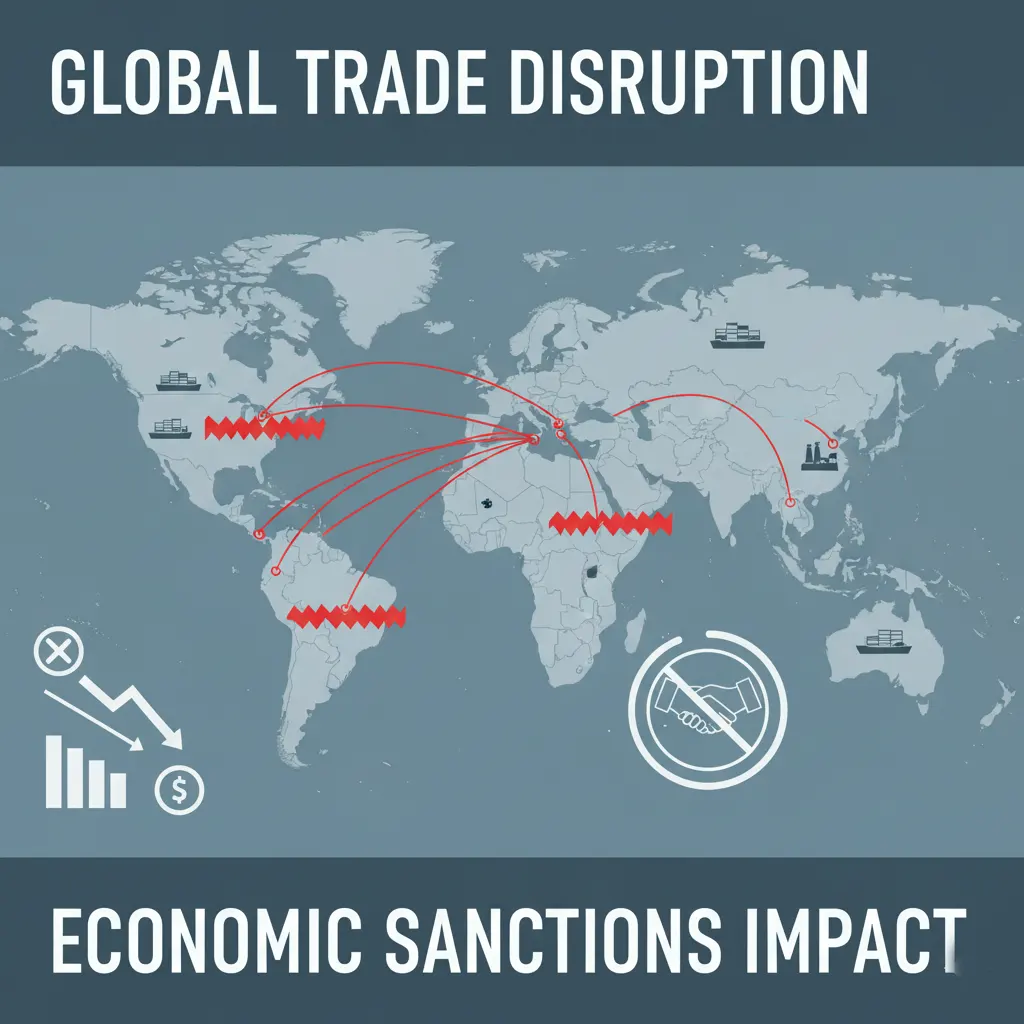
How This Could Affect Prices for Consumers
Even if you never buy Russian goods directly, tariffs at this level can still hit your wallet.
- Higher costs for raw materials that pass through global supply chains
- Increased prices for energy, metals, and industrial inputs
- Price hikes passed down from manufacturers to retailers
As explained by U.S. Bureau of Labor Statistics data, tariffs often show up indirectly in inflation metrics rather than as line-item charges.
For households already stretched by higher living costs, even small downstream increases can add up.
Impact on U.S. Businesses and Jobs
American companies that rely on global suppliers could face sudden cost spikes. Industries most exposed include manufacturing, construction, agriculture, and energy.
According to reporting from The Wall Street Journal, businesses caught in past tariff escalations often had to choose between absorbing losses, raising prices, or cutting investment.
Small and mid-sized businesses are especially vulnerable, as they have less flexibility to quickly reconfigure supply chains.
The Political Strategy Behind the Bill
Supporters of the proposal argue that existing sanctions haven’t gone far enough. By dramatically raising the economic cost of indirect trade, they believe the bill would force tougher compliance globally.
Statements and policy outlines from the U.S. Treasury Department show that sanctions enforcement increasingly relies on coordination between tariffs, financial restrictions, and diplomatic pressure.
Opponents counter that allies—not just adversaries—could feel collateral damage, potentially straining international trade relationships.
Could This Fuel Inflation?
Inflation remains a key concern for U.S. voters. Large-scale tariffs have historically contributed to price pressures, particularly when imposed during periods of tight supply.
Economic research cited by the Federal Reserve suggests that tariffs tend to act like consumption taxes, disproportionately affecting middle- and lower-income households.
If enacted, the 500% tariff could complicate ongoing efforts to stabilize prices.
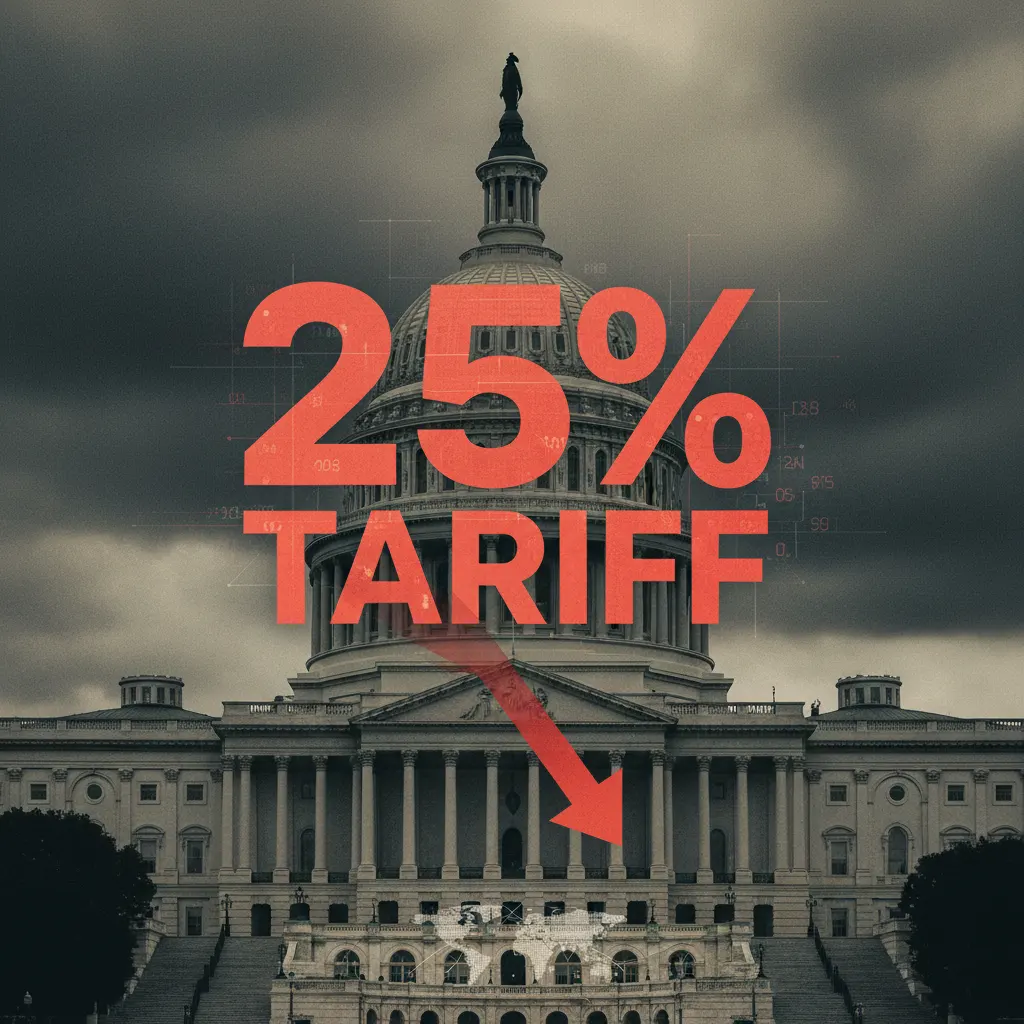
What Happens Next?
The bill’s future depends on congressional negotiations, political momentum, and international response. Even if modified, its introduction alone signals a tougher stance on economic warfare.
Markets, businesses, and consumers will be watching closely—not just to see if it passes, but how aggressively it’s enforced.
What You Should Watch as a Consumer
- Changes in energy and commodity prices
- Price increases in imported or manufactured goods
- Shifts in inflation data over the coming months
While foreign policy may feel distant, trade decisions of this scale rarely stay abstract for long.
The proposed 500% tariff tied to new Russia sanctions is designed to send a powerful geopolitical message. But like many aggressive trade measures, its real-world impact could be felt most acutely at home.
Whether this bill becomes law or not, it underscores how deeply global politics and everyday economics are now intertwined.
#Tariffs #RussiaSanctions #TrumpPolicy #USPolitics #GlobalTrade #Inflation #EconomicPolicy #FinanceNews #digitalnewsforall